
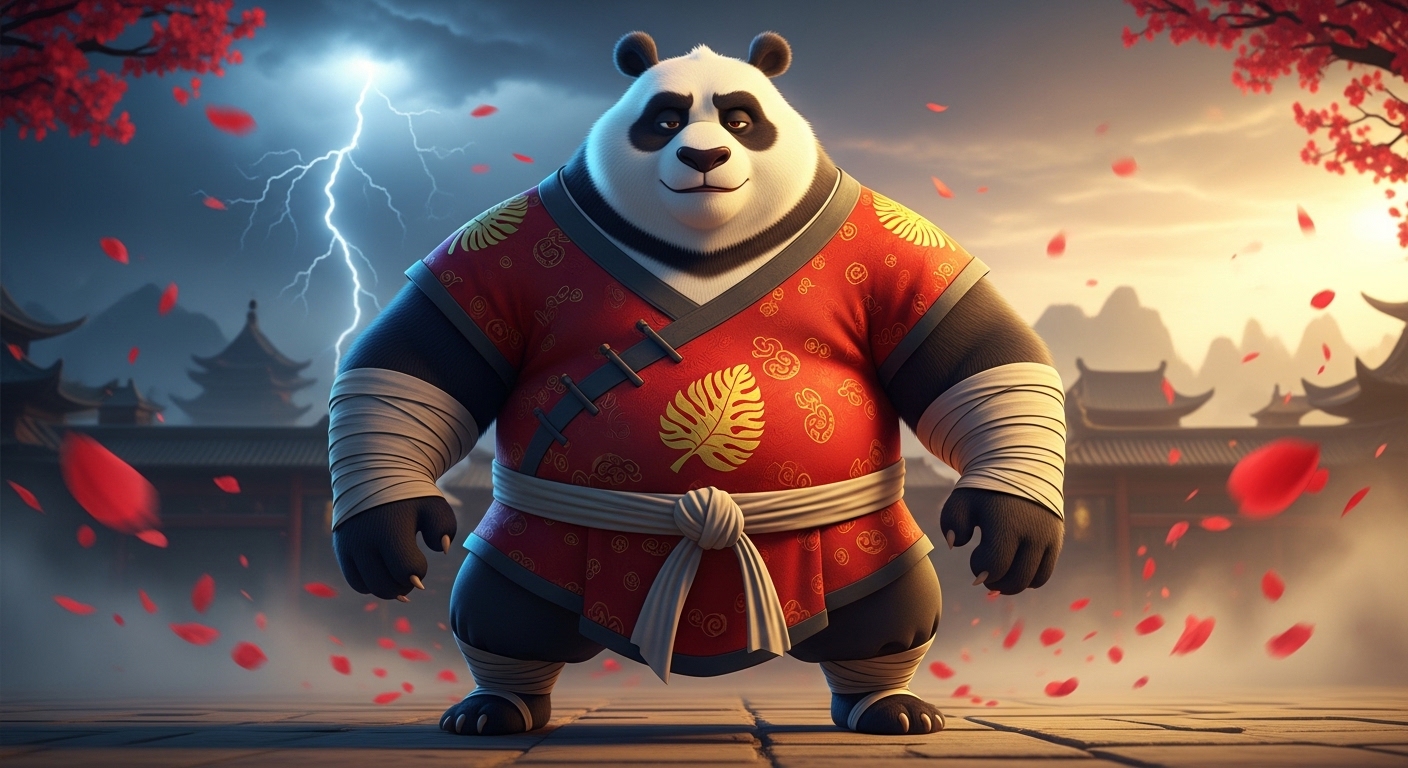
The old masters knew that rage burns itself out in seconds, while stillness outlasts every storm — and wins every real fight.
The Paradox at the Heart
Every beginner walks into the dojo convinced that power is loud. The spinning kick. The shouted strike. The furious outburst. But watch any true master and you will see the opposite — a quietness so complete it almost feels like absence. That quietness is not weakness. It is the compressed weight of a decade of training, waiting for the exact moment to move. Fury is noise; stillness is signal.
Why This Matters Now
The modern world rewards reaction. Every notification, deadline, and difficult conversation is an invitation to flare up, to defend, to roar. But the cost of reactivity is compounding — in your relationships, your work, your body. The warriors who walked these mountains a thousand years ago faced bandits, war, and betrayal, and they still concluded the same thing: the person who controls their inner weather controls the fight before it begins.
How to Practice
Start with a single breath between stimulus and response. Before the reply, before the rebuttal, before the reaction — one slow inhale, one slow exhale. This is the smallest unit of stillness, and it is the foundation of every larger discipline. Over weeks, that breath becomes five. Then a pause. Then a choice. Stillness is not a mood you achieve; it is a muscle you drill, one held breath at a time.
Walking It Forward
Tomorrow, the storm will come — the email, the argument, the setback. Do not meet it with fire. Meet it with the mountain. You will find, as the old panda masters found, that most storms pass through a still thing without leaving a mark. That is not resignation. That is the deepest kind of power there is.
This article is offered for reflection and self-study. The Way is walked, not read — take what resonates, test it in your own practice, and leave the rest.
Leave a Reply