
Category: Wisdom

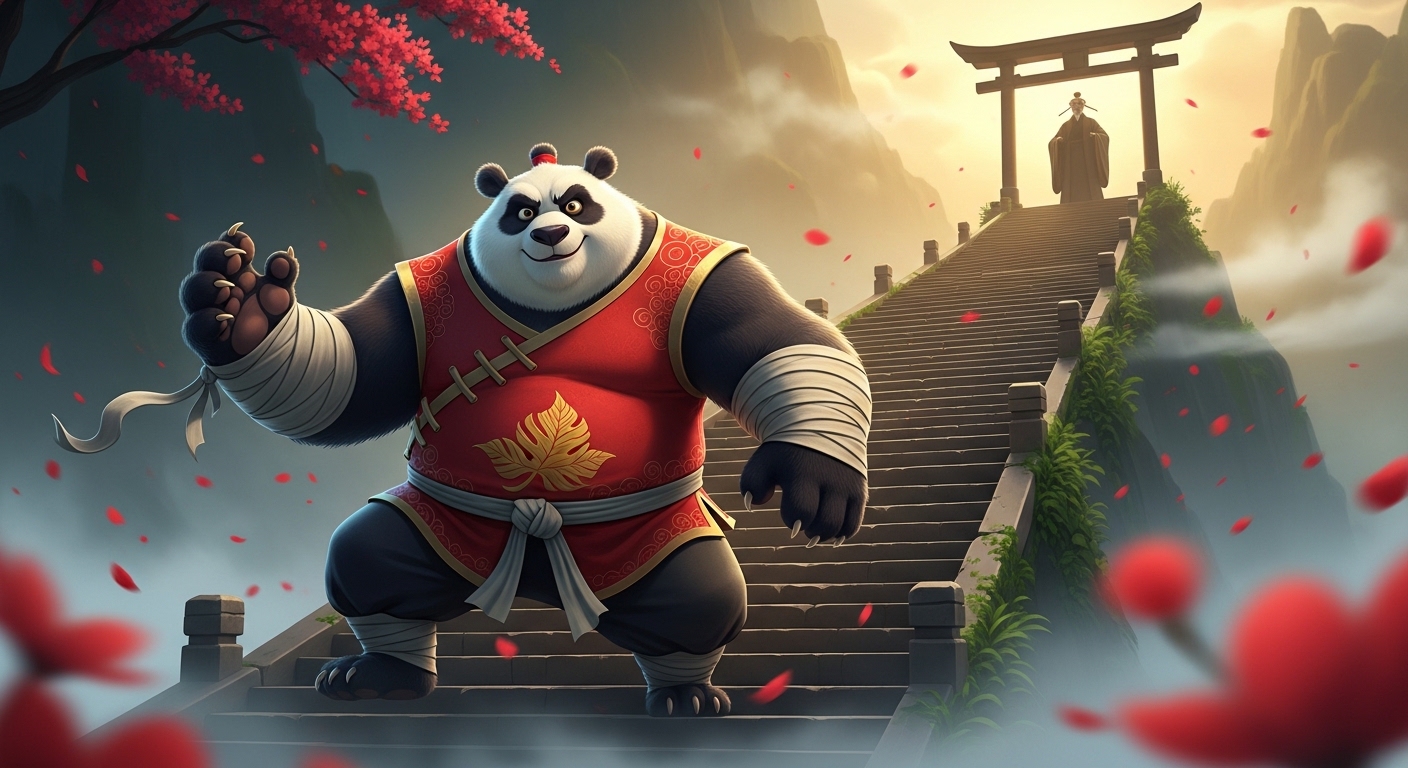
  • Finding Your Shifu: What to Look For in a Real Mentor

    Finding Your Shifu: What to Look For in a Real Mentor

    The mentor you want is not the one who flatters you. It is the one who sees you clearly and will not let you off the hook.

    The Most Common Mistake

    Most people looking for a mentor are secretly looking for a cheerleader. Someone who will confirm they are on the right path, tell them they are talented, and reflect their best self-image back at them. That is not a mentor. That is a mirror, and mirrors do not produce growth. A real shifu will sometimes do the opposite — tell you what you do not want to hear, withhold praise you feel you have earned, ask the question you have been dodging. That friction is the teaching. If there is no friction, you are being entertained, not trained.

    The Three Qualities to Look For

    First, demonstrated skill in the thing you are trying to learn. This is the easy filter and people still get it wrong. Mentors without the underlying skill are just confident opinions. Second, willingness to say the hard thing. If they cannot do this, the relationship will plateau within a year. Third, patience with your actual pace, not the pace they wish you had. Real mentors do not try to clone themselves. They meet you where you are and help you become the next version of yourself, not them.

    How to Recognize the Wrong One

    Red flags. They talk more than they listen. They quote themselves. They are visibly impatient with your questions. They push their framework on situations it does not fit. They make the relationship about their legacy rather than your development. They charge money out of proportion to the time they actually spend. Any one of these is a warning. Two or more is a reason to walk. The right teacher is out there, and your willingness to walk from the wrong one is what makes you available to meet them.

    How to Become Findable

    Masters do not advertise. They are found by students who have already begun the work. Show evidence of your practice in public — a blog, a portfolio, a reputation in your circle — and the mentor who will actually serve you will eventually notice. The right one appears when the student is ready, not before, and the signal is the body of work. Build yours first. Then ask, quietly, for what you need. You will be surprised how often the door opens.

    This article is offered for reflection and self-study. The Way is walked, not read — take what resonates, test it in your own practice, and leave the rest.

  • Parenting Like a Kung Fu Master: Patience, Presence, Precision

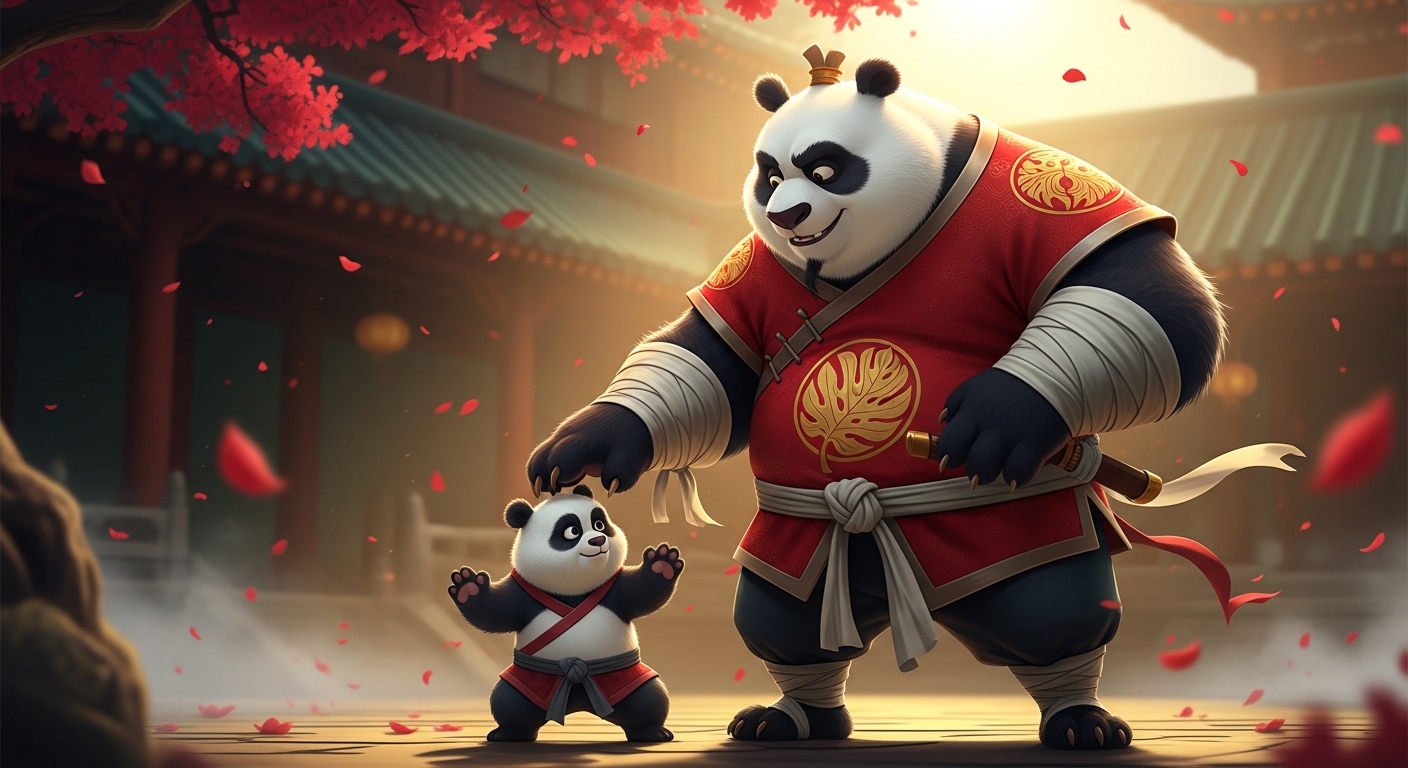
    Parenting Like a Kung Fu Master: Patience, Presence, Precision

    The three qualities that separate great teachers from frustrated ones — and why they are the same three you need with your kids.

    The Surprising Overlap

    A kung fu master teaching a seven-year-old and a parent raising one are, at the skill level, doing exactly the same job. Both are attempting to install values, habits, and capacities in a small human whose attention span is short and whose emotional regulation is under construction. The master’s tools and the parent’s tools are more similar than most parenting books acknowledge. Three qualities carry almost all the weight: patience, presence, and precision. Master those three and most of the rest of parenting takes care of itself.

    What Each One Means

    Patience is not the absence of annoyance. It is the capacity to continue teaching well in the presence of annoyance. Presence is not being in the same room. It is being without phone, without agenda, without performance — giving the child the rare experience of being the only thing that currently exists for you. Precision is the discipline of choosing, out of the fifty things you could correct, the one that matters today. Most parents correct everything and therefore nothing. Masters correct one thing, well, and let the rest go for now.

    Where Most of Us Fall Short

    The hardest of the three, for most modern parents, is presence. We are exhausted, scattered, and conditioned to split our attention. The phone is the defining artifact of this era’s parenting failure. Children do not need all of you, all the time. They need some of you, fully, regularly. Twenty minutes of phone-down, eye-level, undistracted presence will outweigh five hours of half-attention. The kids know the difference. They always know the difference. Train yourself to offer the concentrated kind at least daily.

    The Long Game

    You are not raising a well-behaved child this week. You are raising a sovereign adult over two decades. That reframe changes everything. A master does not teach a student the form on day one; they teach them how to learn, how to persist, how to fail. A parent, at their best, does the same. Patience. Presence. Precision. Repeated over years, these three make you a teacher your child will, later in life, recognize as one of the lucky ones they had. That is the target. It is reachable.

    This article is offered for reflection and self-study. The Way is walked, not read — take what resonates, test it in your own practice, and leave the rest.
  • The Legend of the Hidden Sword Master of Wudang Mountain

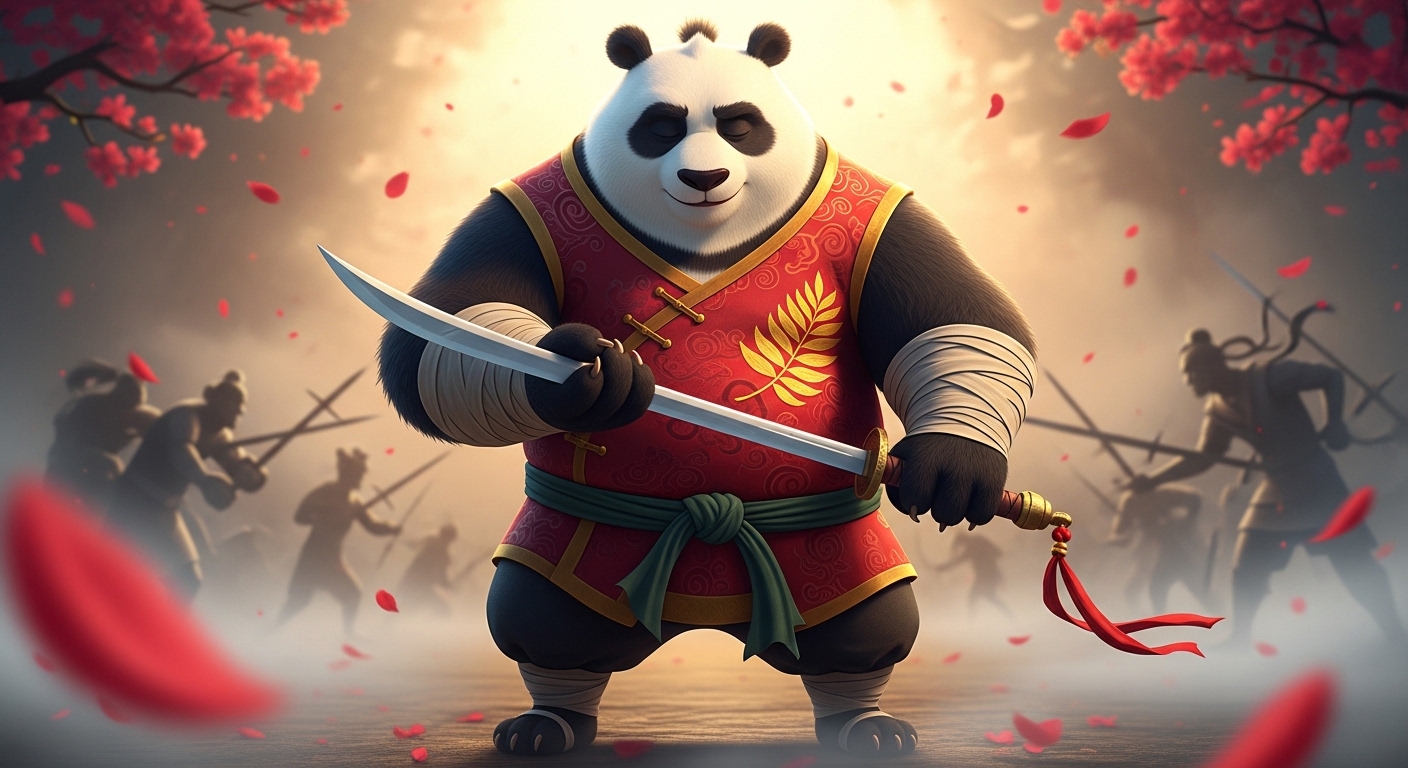
    The Legend of the Hidden Sword Master of Wudang Mountain

    A thousand-year-old story about a master who refused all students until one showed up with the right question — and what it means for you.

    The Legend

    Wudang Mountain, in Hubei province, is one of the holiest sites in Chinese Taoism and the legendary birthplace of internal martial arts. The story is this: a great sword master lived alone in a cave on Wudang, and for decades he refused every student who climbed the mountain to ask for teaching. Hundreds came. Hundreds left. Then one day a young woman arrived, sat quietly at the mouth of the cave, and asked nothing. She stayed three days. On the fourth, the master spoke. She became his only student. The lesson is in why.

    What She Did That the Others Did Not

    Every previous student had arrived with a demand. Teach me. Show me. Test me. She arrived with a presence. She made herself available without making herself desperate. She waited without performing waiting. A true master is not moved by the intensity of your want; they are moved by the quality of your attention. The master on Wudang was not being cruel to the others. He was filtering for the one capacity he could not teach — the willingness to be present without needing anything to happen.

    The Mentor You Actually Want

    Most people seeking mentorship are secretly seeking validation. They want to be told they are ready, gifted, special. A true mentor will not give you that, and in fact will make you work through your need for it. The students who get the real teaching are the ones who have already done enough inner work to not require reassurance. They arrive with questions, not requests. They stay when it is uninteresting. They do the boring parts. That is the signal a master is scanning for, and it is rare.

    How to Become That Student

    Before you go looking for a teacher, practice this: for thirty days, study one thing entirely on your own. Read the classics. Do the drills. Journal the questions. Do not post about it, do not complain, do not seek praise. Just do the work. At the end of the thirty days, if you still want a teacher, you will be a different kind of seeker. You will have something to offer the encounter. And the teacher — whoever they are — will notice. The sword master is not hiding. He is waiting for a question that is earned.

    This article is offered for reflection and self-study. The Way is walked, not read — take what resonates, test it in your own practice, and leave the rest.
  • When Your Mind Is a Battlefield, Surrender Is the Sharpest Sword

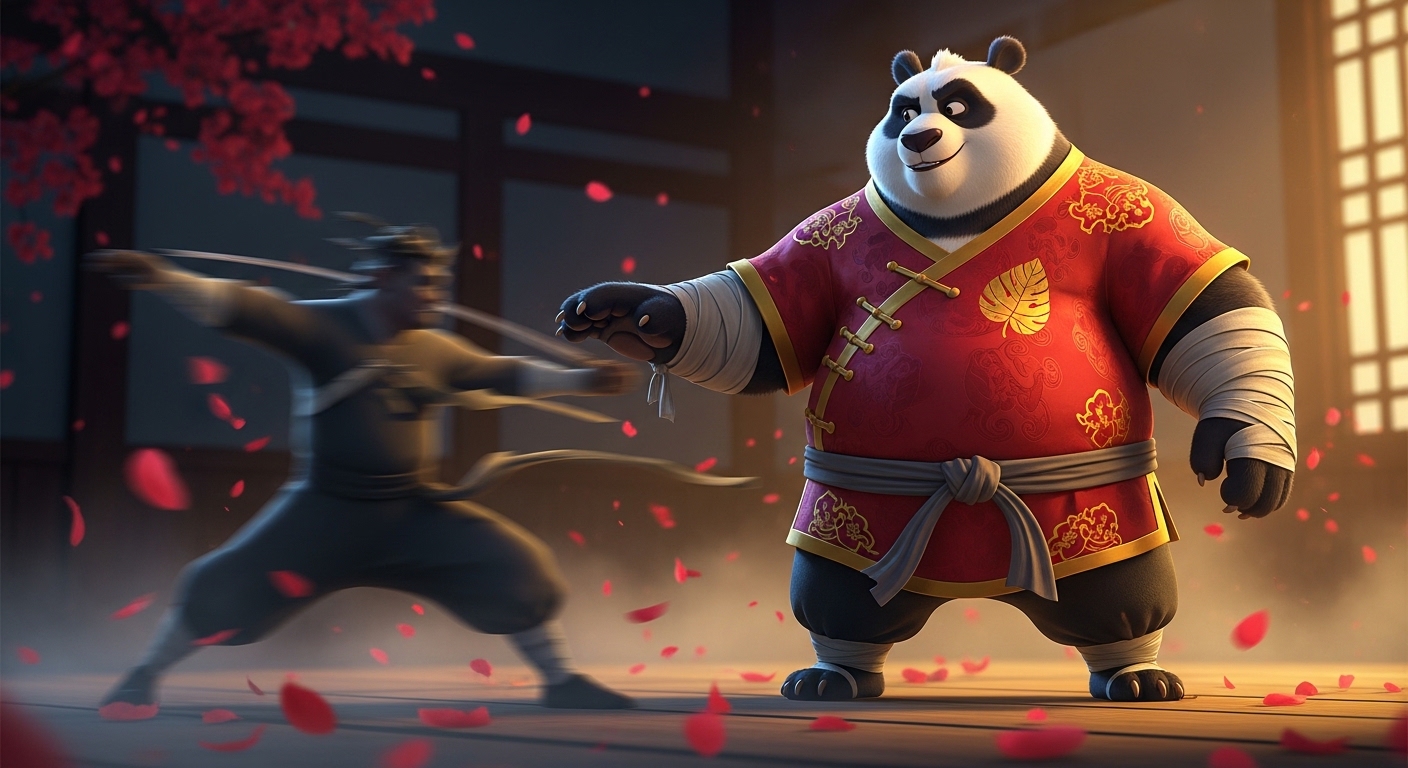
    When Your Mind Is a Battlefield, Surrender Is the Sharpest Sword

    Every warrior eventually learns that the fight against the mind cannot be won by fighting — and the counter-intuitive path that actually works.

    The Fight You Cannot Win by Fighting

    Most meditators begin the same way. They notice a distracting thought, they try to push it away, a new one arrives, they push again, a third one arrives, and within thirty seconds they are exhausted and convinced they are failing. This is the fight against the mind, and it is unwinnable — because the fighter and the fought are the same thing. Every push produces a reciprocal pull. The more you struggle, the deeper you tangle. The old masters saw this problem millennia ago and found a different door.

    The Door That Opens the Other Way

    The door is surrender. Not giving up — surrender. You stop trying to make the thoughts leave. You allow them. You watch them arrive, dwell, and dissolve, without intervening. To the ego, this looks like losing. It is actually the sharpest move available. Thoughts, denied the resistance they feed on, run out of energy faster than you can fight them. You have traded a losing war for a winning peace, and the prize is a mind that is finally quiet without having been forced.

    How to Practice

    Next time you sit, try this. Instead of returning to the breath the moment a thought arises, say quietly to yourself: ‘welcome.’ Let the thought speak. Do not argue. Do not agree. Just listen. Notice that it gets bored within seconds and evaporates. The mind is not your enemy. It is a child asking to be acknowledged, and once acknowledged, it usually walks off. Surrender is, paradoxically, the technique that the advanced student arrives at after years of trying everything more dramatic.

    The Life Application

    This lesson extends beyond meditation. The emotion you cannot outrun. The grief you cannot out-work. The self-criticism you cannot silence. Each of them responds to the same inversion. Welcome the thing. Let it speak. Do not fight. You will find, as every old master eventually found, that what you stop fighting often stops fighting you. Surrender is not a white flag. It is the sharpest sword, and it is in your hand the whole time.

    This article is offered for reflection and self-study. The Way is walked, not read — take what resonates, test it in your own practice, and leave the rest.

  • Why the Best Fighters Never Throw the First Punch

    Why the Best Fighters Never Throw the First Punch

    The story of the master who won a hundred fights without initiating one — and what it reveals about strategy, ego, and self-control.

    The Principle Hiding in Plain Sight

    Watch enough real fights and you will notice a pattern: the person who swings first often loses. Not always, but enough that old masters treated it as law. The first strike commits the body, reveals intention, and leaves openings. The second strike — clean, informed, counter — is the one that lands decisively. This is not a mystical claim; it is an observable physics of engagement. The person who waits sees. The person who swings is seen.

    Ego and the First Punch

    But most beginners cannot wait. The urge to throw the first punch is rarely about strategy. It is about the fear of looking passive, the need to assert, the anxiety of sitting still while another body approaches. The master’s training, at a deep level, is anti-ego training. You are being taught to be comfortable appearing less dominant in order to be, a moment later, more effective. That is a trade most egos refuse to make. The ones that accept it become dangerous.

    The Life Lesson

    Every argument has a first punch. The cutting comment. The escalated email. The unsolicited opinion. And almost every time, the person who threw it is the one who looks worse in the final analysis. The person who waited, listened, and responded from information — not reaction — carries the day. You do not have to be the loudest voice in the room to be the one that gets heard. In fact, in the fights that actually matter, being loudest is usually a tell that you have already lost.

    Training the Restraint

    Practice this in small stakes. Let someone finish a sentence fully before you begin yours. Wait five full seconds before replying to an email that annoyed you. Let another driver cut you off without commentary. Each small restraint is a rep. You are building the capacity to not throw the first punch, and that capacity is quietly one of the most powerful things a human can develop. The first punch is almost always free advertising for the second one. Save yours for when it counts.

    This article is offered for reflection and self-study. The Way is walked, not read — take what resonates, test it in your own practice, and leave the rest.

  • Strength Without Wisdom Is Just Noise in Armor

    Strength Without Wisdom Is Just Noise in Armor

    Strength is cheap; wisdom is the expensive part. Why the strongest fighter in the room is rarely the one you should actually listen to.

    The Cautionary Figure

    Every dojo has one. The student who is fast, strong, and winning their early sparring matches. They are unstoppable — for a while. Then a shift happens, usually around year three, and they plateau. The slower, quieter students begin to catch them. By year five, they are losing to people they once dismantled. They did not get weaker. They just never developed the other half. Strength, on its own, is a loud, crude instrument. Without wisdom to aim it, it eventually breaks the person carrying it.

    Why Wisdom Is the Harder Training

    Strength builds visibly. You can track weights, reps, times, wins. Wisdom is invisible and slow. It is built by losing on purpose. By being corrected. By listening when it is hard. By admitting you were wrong. None of that shows up on a leaderboard, and that is why most people skip it. But wisdom is what turns a strong fighter into a senior one. It is the difference between someone who can hurt people and someone who knows when not to.

    How to Grow the Other Half

    Seek out teachers who beat you without force. Notice how. Read outside your discipline — biographies, history, philosophy — to widen the frame you use to judge your own work. Spar with opponents far better than you, not to win but to study. Take one loss per week on purpose, in conversation, in competition, in creative work. Every voluntary loss is a wisdom deposit. The bank account grows slowly and then, one day, you notice you are the calm person in the room.

    The Mature Warrior

    The mature warrior is not the strongest person you will meet. They are often gentle, sometimes soft, occasionally almost invisible. But when the moment comes, they move with economy and accuracy, and they never need to prove anything afterward. That is what wisdom looks like when it has finally caught up with strength. Aim for that. The world has enough loud, strong people. What it needs is a few who also know what they are for.

    This article is offered for reflection and self-study. The Way is walked, not read — take what resonates, test it in your own practice, and leave the rest.
  • Ancient Scrolls, Modern Struggles: Lessons That Transcend Time

    Ancient Scrolls, Modern Struggles: Lessons That Transcend Time

    The problems you are facing this week were solved in writing two thousand years ago — you just have not been handed the translation.

    Why Old Books Still Matter

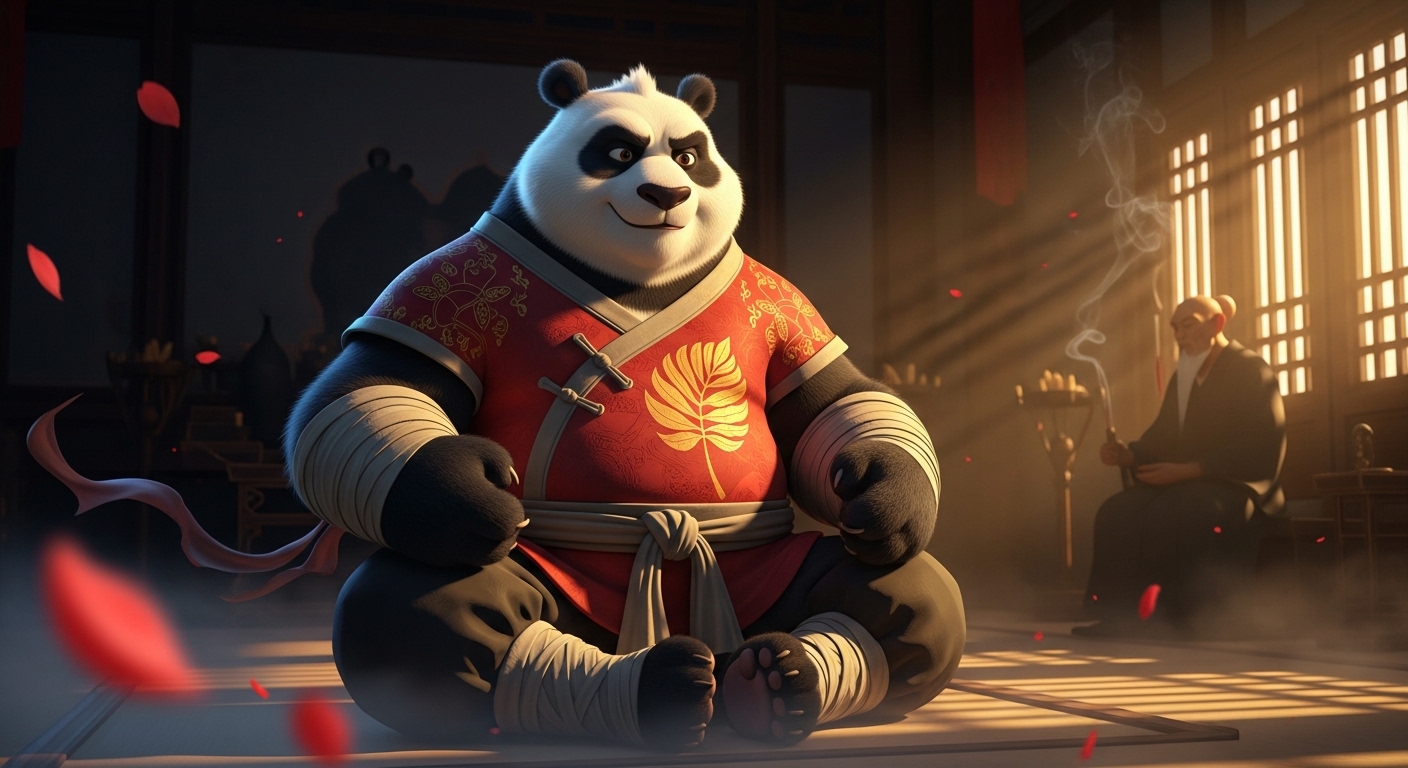
    Every generation believes its difficulties are unprecedented. The stress. The noise. The relentless pace. But read Zhuangzi, Laozi, or Sun Tzu and you will meet a person two thousand years dead, describing your Tuesday afternoon. The technology changes. The particulars change. The underlying human structure — ego, fear, desire, confusion — does not. That is why the scrolls endure. They are less about their time than about the operating system every human still runs.

    Three Lessons That Still Hit

    Sun Tzu: every fight is won before the first blade is drawn, in the quality of preparation. Laozi: the soft and yielding overcomes the hard and brittle over a long enough timeline. Zhuangzi: the boundary between work and play, self and other, is largely a fiction your mind keeps busy maintaining. Each of these could be a TED talk next week. Each one was written before paper was widely available.

    How to Read Them Without Glazing Over

    Most people who try the classics bounce off because they read them like textbooks. They are not textbooks — they are sparring partners. Read slowly. Read one passage per day. Do not try to understand it all. Let one line catch in your mind and chew on it across the week. Return to the same text in a year and you will find it has said something new, because you have. The scrolls are mirrors as much as maps.

    Starting Tomorrow

    Pick one translation — Stephen Mitchell for Laozi is a gentle start — and read one short chapter each morning for a month. Do not journal, do not study, do not try to master it. Just let one ancient sentence share a breakfast with you. At the end of the month, you will not have become a scholar. But you will have become quieter, and a little harder to knock over. That is what the masters were hoping you would do.

    This article is offered for reflection and self-study. The Way is walked, not read — take what resonates, test it in your own practice, and leave the rest.
  • The Master Who Taught Me Silence Was Louder Than a Roar

    The Master Who Taught Me Silence Was Louder Than a Roar

    A story about the teacher who corrected me without saying a single word — and the ten-year lesson I am still unpacking.

    The Story

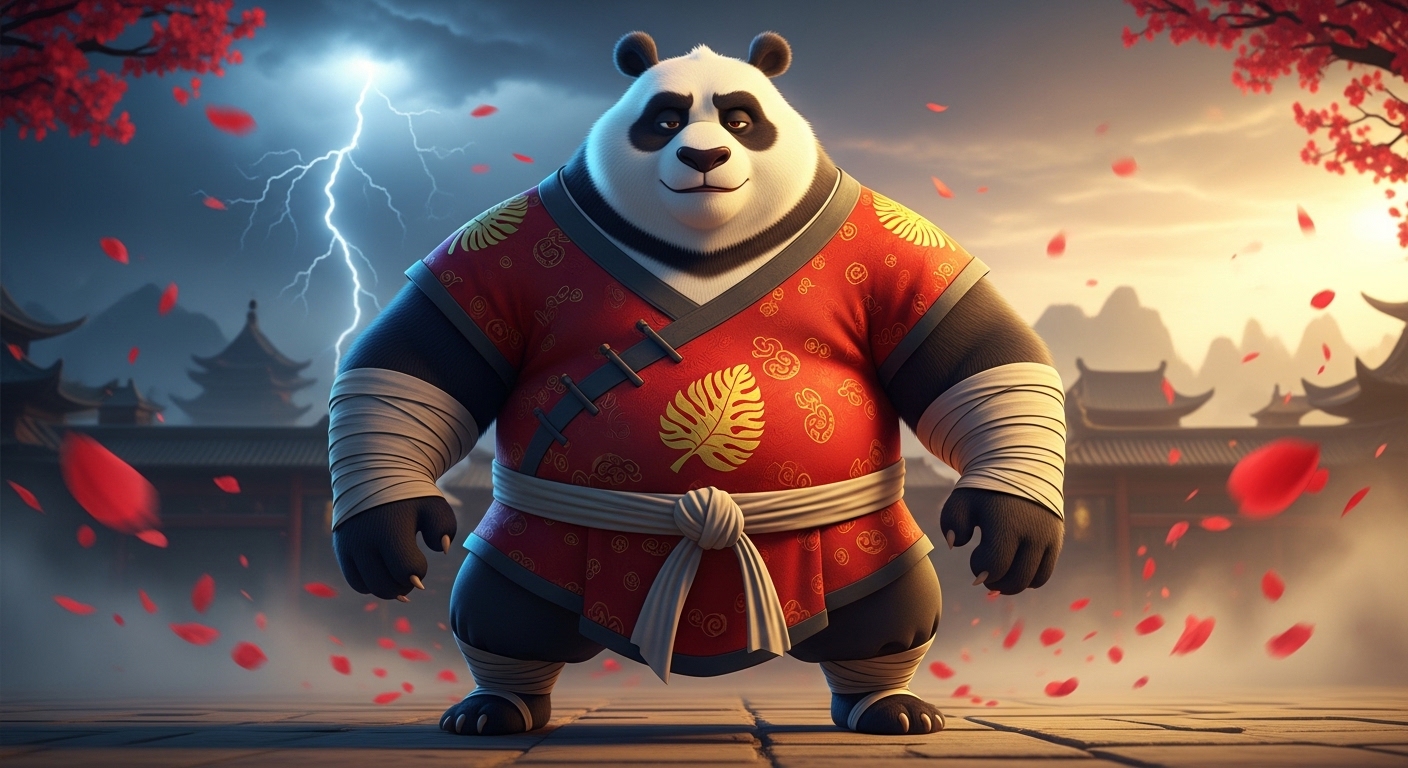
    I arrived at the mountain thinking I already knew. Three years of training in the city, a shelf of books, a certificate. My new teacher met me at the gate, looked at me for perhaps four seconds, and walked away. No introduction, no welcome, no lesson. For the first week I fumed. By the second week, I understood that the silence itself was the first correction. He was not ignoring me. He was making space for me to hear my own noise for the first time.

    Why Words Often Fail the Teacher

    A true teacher has seen the same mistake a thousand times. They have explained, demonstrated, adjusted, retried. Eventually they learn that words only reach the part of the student that already agrees. The deeper lesson — the one that actually changes you — arrives through contact, repetition, and silence. A word can be forgotten by evening. A week of unanswered questions burrows into your bones.

    What the Silence Teaches

    Silence forces you to become your own teacher. Without constant verbal correction, you must feel the weight of your own stance, the sloppiness of your own breath, the ego in your own eagerness. You learn to ask better questions — not out loud, but inward. The real advanced student is not the one who knows more; it is the one who has become their own most honest observer. Silence is the forge where that capacity is made.

    Bringing the Lesson Home

    You do not need a mountain teacher to practice this. The next time someone you love is struggling, resist the urge to fill the air with your advice. Sit with them. Let the silence do the work. You may find — as I did — that presence without explanation is a deeper kind of teaching than any lecture. Silence is not withholding. At its best, it is the loudest gift you can give.

    This article is offered for reflection and self-study. The Way is walked, not read — take what resonates, test it in your own practice, and leave the rest.

  • The Way of the Panda: Why Stillness Is Stronger Than Fury

    The Way of the Panda: Why Stillness Is Stronger Than Fury

    The old masters knew that rage burns itself out in seconds, while stillness outlasts every storm — and wins every real fight.

    The Paradox at the Heart

    Every beginner walks into the dojo convinced that power is loud. The spinning kick. The shouted strike. The furious outburst. But watch any true master and you will see the opposite — a quietness so complete it almost feels like absence. That quietness is not weakness. It is the compressed weight of a decade of training, waiting for the exact moment to move. Fury is noise; stillness is signal.

    Why This Matters Now

    The modern world rewards reaction. Every notification, deadline, and difficult conversation is an invitation to flare up, to defend, to roar. But the cost of reactivity is compounding — in your relationships, your work, your body. The warriors who walked these mountains a thousand years ago faced bandits, war, and betrayal, and they still concluded the same thing: the person who controls their inner weather controls the fight before it begins.

    How to Practice

    Start with a single breath between stimulus and response. Before the reply, before the rebuttal, before the reaction — one slow inhale, one slow exhale. This is the smallest unit of stillness, and it is the foundation of every larger discipline. Over weeks, that breath becomes five. Then a pause. Then a choice. Stillness is not a mood you achieve; it is a muscle you drill, one held breath at a time.

    Walking It Forward

    Tomorrow, the storm will come — the email, the argument, the setback. Do not meet it with fire. Meet it with the mountain. You will find, as the old panda masters found, that most storms pass through a still thing without leaving a mark. That is not resignation. That is the deepest kind of power there is.

    This article is offered for reflection and self-study. The Way is walked, not read — take what resonates, test it in your own practice, and leave the rest.