
Category: Philosophy

  • Ego Is the Enemy of Every Kung Fu Journey

    Ego Is the Enemy of Every Kung Fu Journey

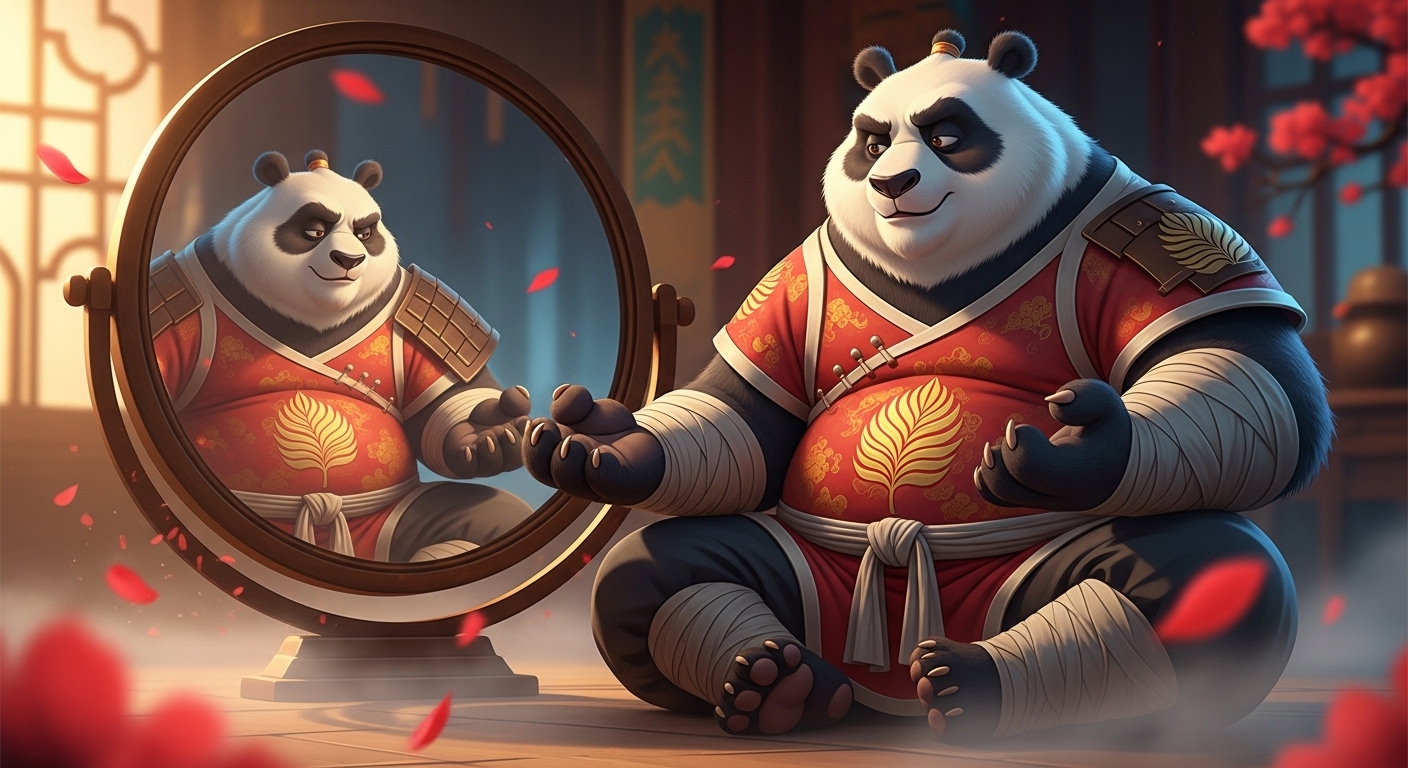
    The biggest obstacle to your progress is not your body, your schedule, or your teacher — it is the part of you that needs to already be good.

    The Real Opponent

    New students think their opponent is the person across the mat. Intermediate students think their opponent is their own body — the limited flexibility, stamina, timing. Advanced students eventually discover the real opponent, and it is humbling: the ego. The part of them that wants to skip the boring drills, that resents correction, that secretly wants the teacher to notice how advanced they already are. Until the ego is met and worked with, progress hits ceilings that no additional training can break through. The real work is internal.

    How Ego Hides Itself

    The sophisticated practitioner’s ego does not look loud. It looks humble, controlled, even disciplined. But it is still there, in subtle forms. The competitive comparison to lower-level students. The mild irritation when corrected. The small victory feeling when another practitioner fails. The secret belief that you are the exception to some general rule. Each of these is ego, wearing dignity as a disguise. The first task is simply to start noticing. Naming it privately, repeatedly, is half the work. The ego hates being noticed.

    The Practices That Help

    One: regularly train with people better than you, not to win but to be corrected. The humility dose is part of the training. Two: teach beginners occasionally. It reconnects you with the beginner’s mind you have been forgetting. Three: take one thing you are good at and deliberately practice it badly, to remember what failure feels like. Four: sit in meditation long enough that the ego cannot sustain its usual stories. All of these are ego-reduction drills, and without them your technical skill will eventually plateau and stay there.

    What Awaits on the Other Side

    The student who eventually meets their ego and continues to work with it — not defeat it, which is impossible, but integrate it — becomes a different kind of practitioner. Quieter. More accurate. Harder to rattle. Not free of ego, because no one is, but no longer driven by it. That is what mastery actually looks like from the inside. Not the absence of the small self, but the ability to put it down whenever skill requires it. That ability is the prize, and it is not purchasable. It is earned, one small humiliation gracefully received at a time.

    This article is offered for reflection and self-study. The Way is walked, not read — take what resonates, test it in your own practice, and leave the rest.

  • Turning Setbacks Into Training: The Stoic Panda Philosophy

    Turning Setbacks Into Training: The Stoic Panda Philosophy

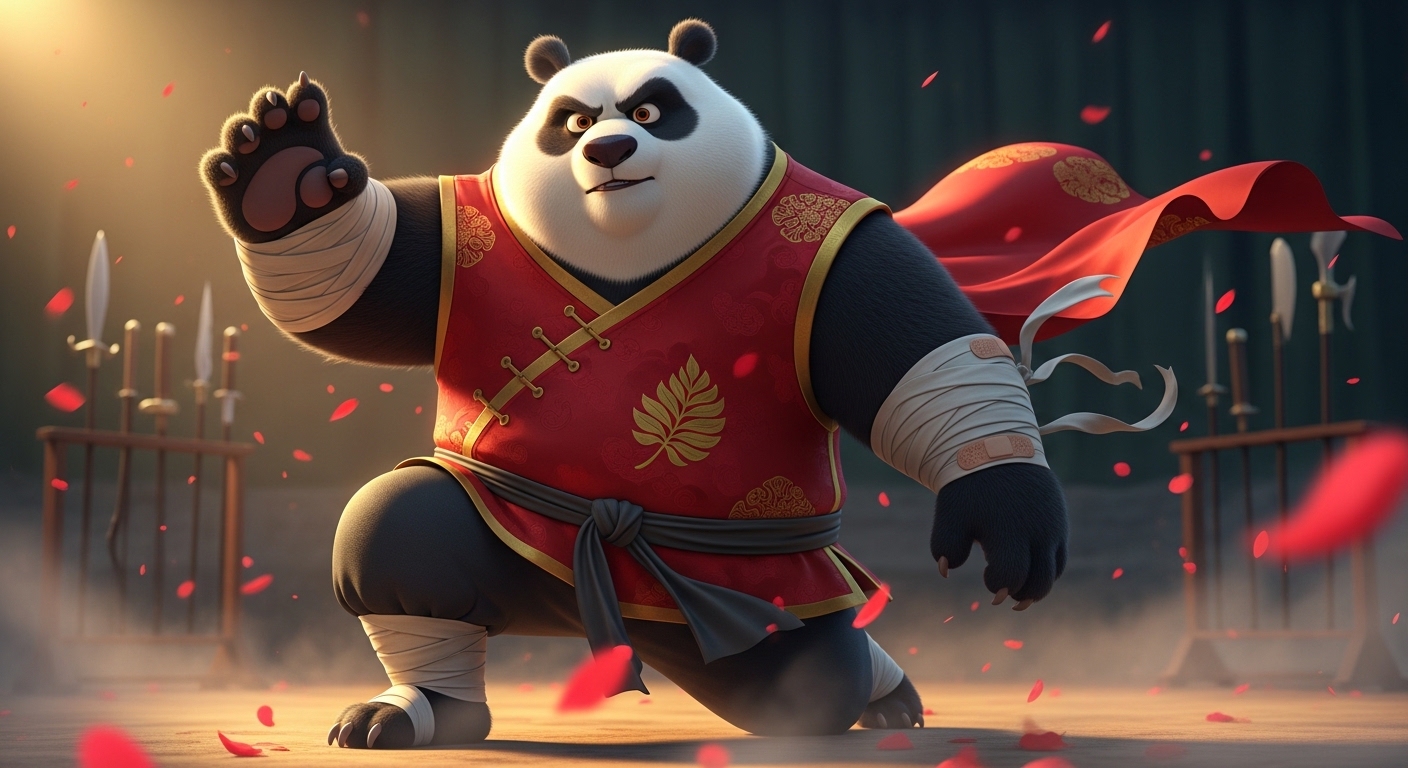
    Every setback is either a wound or a curriculum. The old masters figured out which one you get to choose, and how to choose correctly.

    The Two Readings of Every Setback

    A setback can be read two ways. The first reading is wound — something that happened to you, unfair, unjust, painful. The second reading is curriculum — something that happened for you, teaching something you could not have been taught any other way. The event itself is neutral; you get to pick which reading you apply. The Stoics knew this, the Buddhists knew this, the old kung fu masters knew this, and the modern person, drowning in self-pity media, often does not. Pick the better reading. It will save your life.

    Why the Curriculum Reading Is Not Delusion

    This is not toxic positivity. The setback was still painful. The loss was still real. But the story you tell about it determines what you can extract from it. The wound reading produces a victim; the curriculum reading produces a student. Both readings are honest. Only one is useful. The masters did not deny suffering — they studied it. They sat with it, looked at it from angles, and asked: what does this teach? That question alone is the difference between someone who collapses and someone who compounds.

    How to Actually Do It

    When the next setback arrives, and it will, do this. First, let yourself feel the thing, fully, for a bounded time — an hour, a day. Grief is not optional and cannot be skipped. Second, when the time is up, sit down with pen and paper and write: what is the curriculum here? Do not answer quickly. Do not moralize. Just look. Five things always emerge. Maybe you needed to learn to ask for help earlier. Maybe you had a blind spot about a relationship. The setback sees you more clearly than you see yourself. Let it teach.

    The Long-Term Effect

    A life lived with the curriculum reading looks different. The person becomes hard to destabilize, not because bad things stop happening — they do not — but because each bad thing is metabolized rather than stored. Over decades, this produces a different kind of human. Calm, layered, unexpectedly generous, hard to throw. You can be that human. It is not a talent. It is a reading, applied repeatedly, until it becomes the default. Setback becomes training. Training becomes mastery. Mastery becomes peace.

    This article is offered for reflection and self-study. The Way is walked, not read — take what resonates, test it in your own practice, and leave the rest.
  • The Five Elements: Wood, Fire, Earth, Metal, Water — and You

    The Five Elements: Wood, Fire, Earth, Metal, Water — and You

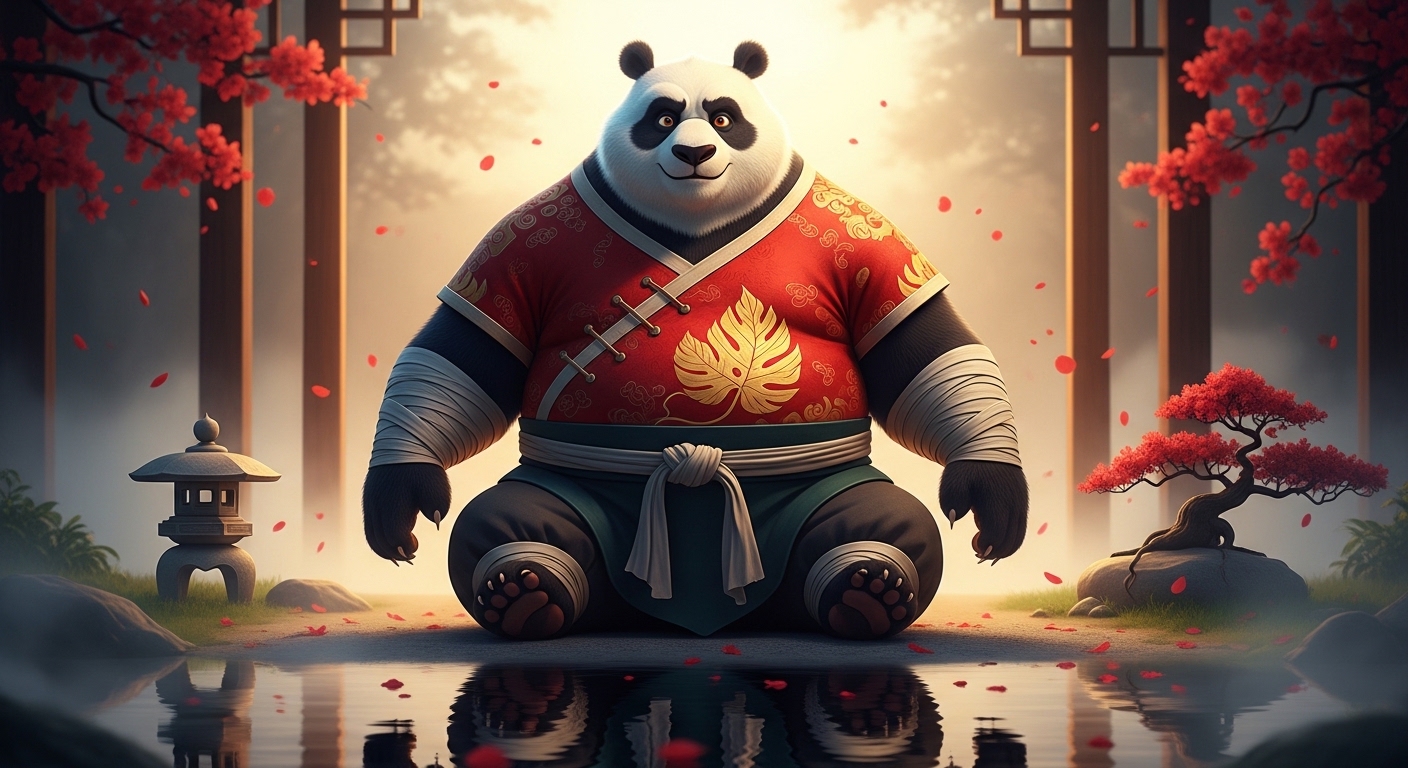
    A framework as old as Chinese philosophy itself — and a surprisingly practical lens for understanding your own seasons, moods, and cycles.

    The Original System

    Long before MBTI, Enneagram, or personality quadrants, the Chinese thinkers used a framework called Wu Xing — the Five Elements. Wood, Fire, Earth, Metal, Water. It was never only about nature. It was a typology of energies, seasons, organs, emotions, and states of becoming. The genius of the system is that it is not static. Every element generates another, and every element constrains another. Nothing is fixed. You are not one element. You are a weather pattern across all five, and the pattern shifts.

    What Each Element Carries

    Wood is growth, direction, the thrust upward of spring. Fire is expansion, joy, visibility, the height of summer. Earth is centering, nourishment, the pivot between seasons. Metal is refinement, cutting, the letting-go of autumn. Water is depth, stillness, wisdom, the pause of winter. Each has a shadow — wood as anger, fire as mania, earth as worry, metal as grief, water as fear. The shadows are not flaws. They are the same energy, compressed.

    Diagnosing Your Current State

    Sit quietly and ask yourself: which element is dominant in me right now? Which is missing? If you are stuck, pushing without result — you may be all wood, starving for water’s patience. If you are burnt out — too much fire, in need of earth’s steadiness. If you are numb — too much metal, needing wood’s spring. This is not mysticism; it is a vocabulary. Naming your current pattern gives you options. Unnamed, it drives you. Named, it becomes material you can work with.

    How to Use It This Week

    Pick the element your life feels most short on this season. Then do one thing that invites it in. Short on water? Sleep earlier, read something slow. Short on wood? Start one new project you have been delaying. Short on earth? Cook for someone. Short on metal? Throw out something you no longer need. Short on fire? Spend time with someone who energizes you. The system is old because it keeps working. That is the only test worth caring about.

    This article is offered for reflection and self-study. The Way is walked, not read — take what resonates, test it in your own practice, and leave the rest.
  • Sitting in Stillness: Why Doing Nothing Is the Hardest Practice

    Sitting in Stillness: Why Doing Nothing Is the Hardest Practice

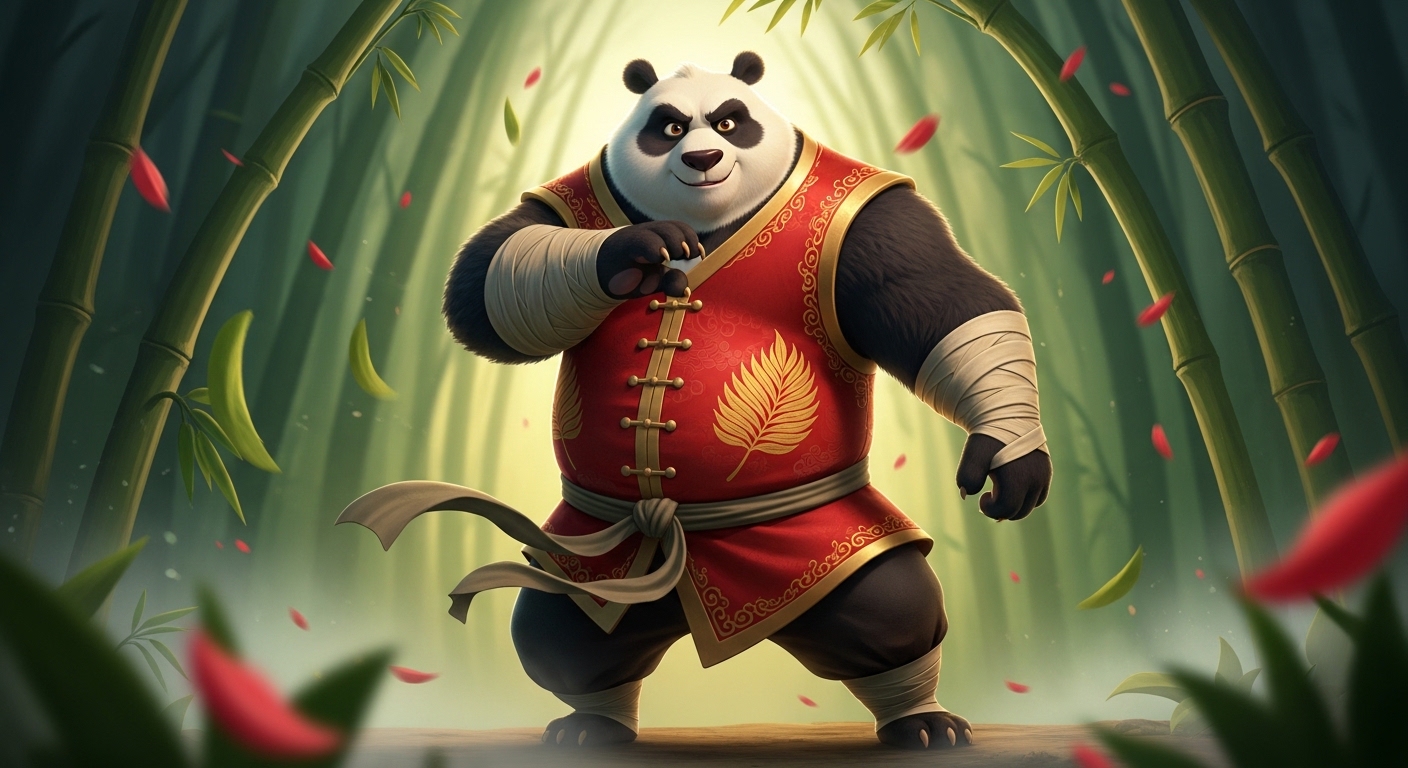
    Everyone thinks they want to do nothing. Ten minutes of real nothing, and most people will beg for a task. Why stillness is the final frontier.

    The Illusion of Laziness

    When people say they want to ‘do nothing,’ they almost always mean they want to do something pleasant and easy — lie on a couch with a phone, drift through a Sunday. That is not doing nothing. That is consuming gently. Real doing nothing — sitting with your back straight, eyes closed, no input, no task, no media — is a discipline so demanding that most adults in the modern world have never done it for more than a minute at a time. It is the hardest practice there is.

    Why It Is So Difficult

    The mind did not evolve to be still. It evolved to scan, categorize, predict. Asking it to do nothing is asking a predator to lie down next to its dinner. The resistance you feel in the first five minutes is not a character flaw. It is your nervous system protesting a condition it was not designed for. Naming that makes it easier to stay. You are not doing it wrong. You are doing exactly what every person in history has done the first time they tried.

    The Reward on the Other Side

    If you keep showing up — ten minutes, daily, for weeks — a second phase begins. The resistance does not disappear, but it gets quieter. You begin to land, briefly, in moments of actual stillness. These moments are not fireworks. They are small, almost anticlimactic, and very quietly addictive. You realize, for perhaps the first time, that your baseline state is not the busy one. The busy one is what you have been doing. The still one is what you have been.

    A Promise You Can Keep

    Do not commit to an hour. Commit to ten minutes, first thing, before the phone. Sit upright somewhere comfortable. Close your eyes. Do not meditate — do not follow the breath or chant or count. Just sit. When the urge comes to get up, notice it and do not act on it. When the timer ends, get up calmly. Over a month, this quietly rearranges your relationship with your own mind, and there is no other intervention that can produce that result for free.

    This article is offered for reflection and self-study. The Way is walked, not read — take what resonates, test it in your own practice, and leave the rest.
  • Bamboo Training: How Flexibility Creates Unbreakable Strength

    Bamboo Training: How Flexibility Creates Unbreakable Strength

    Bamboo bends in a typhoon that snaps oak trees. What the bamboo knows, and what your training has been missing.

    The Lesson of the Bamboo Grove

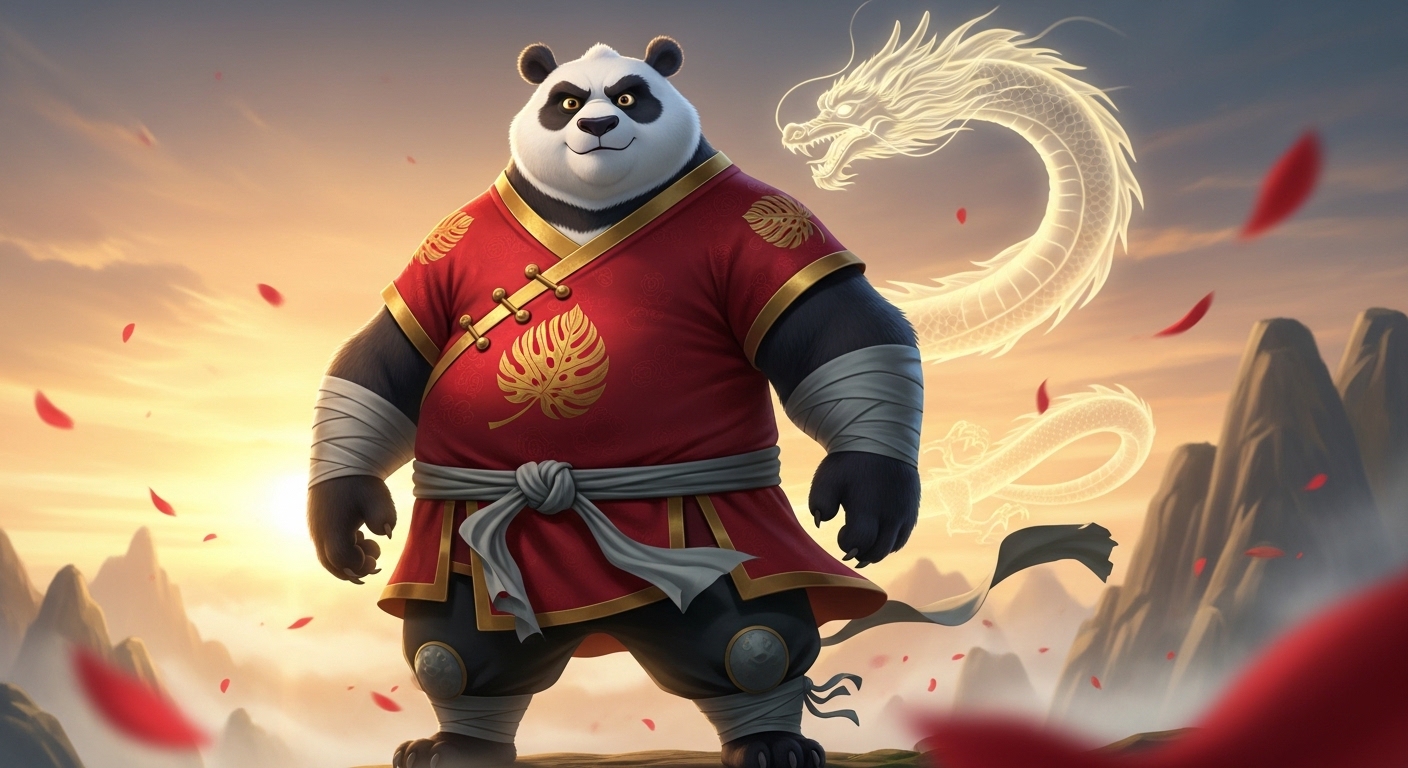
    Stand in a bamboo grove during a strong wind and you will see something strange. The individual stalks appear almost fragile, whipping in every direction. But they do not snap. Around them, the hardwood trees — oak, pine, elm — are straining, cracking, sometimes falling entirely. The same wind destroys the rigid and passes through the flexible. This is not a poetic coincidence. It is a structural principle, and it applies to bodies, minds, careers, and relationships.

    Why Flexibility Is Not Weakness

    There is a mistaken instinct that strong means rigid. But rigid structures have a breaking point; every engineer knows this. A steel beam is strong until it is not, and when it fails, it fails catastrophically. A flexible structure distributes force along its length, yielding at every point and thereby breaking at none. In fighters, this looks like the ability to take a hit without freezing. In lives, it looks like the ability to take a blow without shattering.

    How to Train It

    Flexibility training is not glamorous. Stretch every day, even briefly. Breathe through tight places rather than around them. Practice moving in unexpected directions — rolling, crawling, twisting — not only the linear patterns of your main discipline. Spar with partners whose styles differ from yours. Read books you disagree with. Take criticism without explanation. Each of these is a flexibility drill. Over months they build a body and mind that can bend without snapping.

    Planting Your Grove

    The goal of training is not to become the hardest object in the room. The goal is to become the object that is still standing at the end of the storm. Bamboo does not win by resisting; it wins by refusing to fight in a way it cannot win. Take that posture into your week. Bend early. Yield on purpose. Survive things that are designed to break the rigid. Eventually, you will be the old stalk still standing in a grove of fallen oaks.

    This article is offered for reflection and self-study. The Way is walked, not read — take what resonates, test it in your own practice, and leave the rest.
  • The Dragon Within: Finding Courage When You Feel Like Prey

    The Dragon Within: Finding Courage When You Feel Like Prey

    Everyone has a dragon inside them. Most people spend their lives trying to keep it hidden — here is how to meet yours, and why you should.

    The Prey Posture

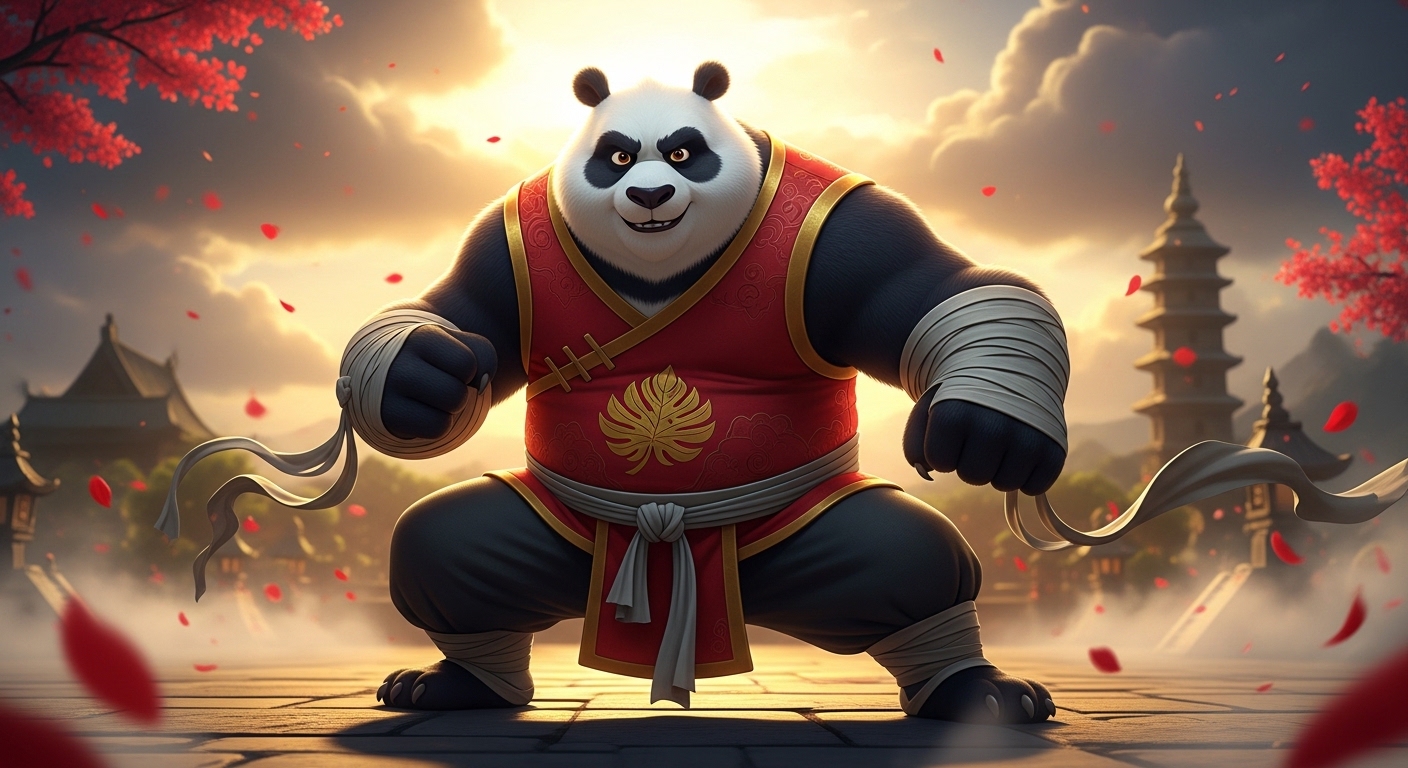
    There is a shape fear takes in the body, and once you learn to see it, you see it everywhere. Rounded shoulders. Held breath. Small voice. Eyes on the exit. This is the prey posture, and most adults carry it into their meetings, their dinners, and their sleep. It is not your fault — evolution wired it in — but it is not your destiny. Underneath the prey is the predator. Underneath the predator, in the old mythology, is the dragon: the part of you that does not flinch.

    Why the Dragon Got Buried

    Most of us buried our dragon young. A classroom where being loud got punished. A family where big feelings were too much. A culture that rewarded fitting in. Burial was sensible then; the dragon was bigger than the room it was in. But you are not in that room anymore. The cage is still in your shoulders, but the lock is long rusted. The work is not to become someone new. It is to release something that was there the whole time.

    How to Begin the Meeting

    Start with the body, because that is where the dragon lives. Stand taller, even when no one is watching. Breathe lower — into the belly, not the chest. Speak from the diaphragm. Make eye contact half a second longer than feels comfortable. Each of these is a small act of sovereignty. Over weeks, the body remembers that it is a creature with teeth, not a creature hoping to go unnoticed. The dragon wakes up slowly, and that is how you want it.

    What Courage Actually Looks Like

    The courageous person is not the one without fear. They are the one whose dragon has been integrated, not escaped. They can be gentle, because they know they could be dangerous. They can listen, because they are not about to be overrun. Meet your dragon. Feed it discipline. Aim it at something worth fighting for. You will stop looking for permission to take up space, because you will finally know what you are made of.

    This article is offered for reflection and self-study. The Way is walked, not read — take what resonates, test it in your own practice, and leave the rest.
  • Why the Weakest Stance Often Wins the Hardest Fight

    Why the Weakest Stance Often Wins the Hardest Fight

    The rooted, low, ‘ugly’ stance wins more real fights than the flashy one — here is why, and what it means for every other battle in your life.

    The Stance That Looks Wrong

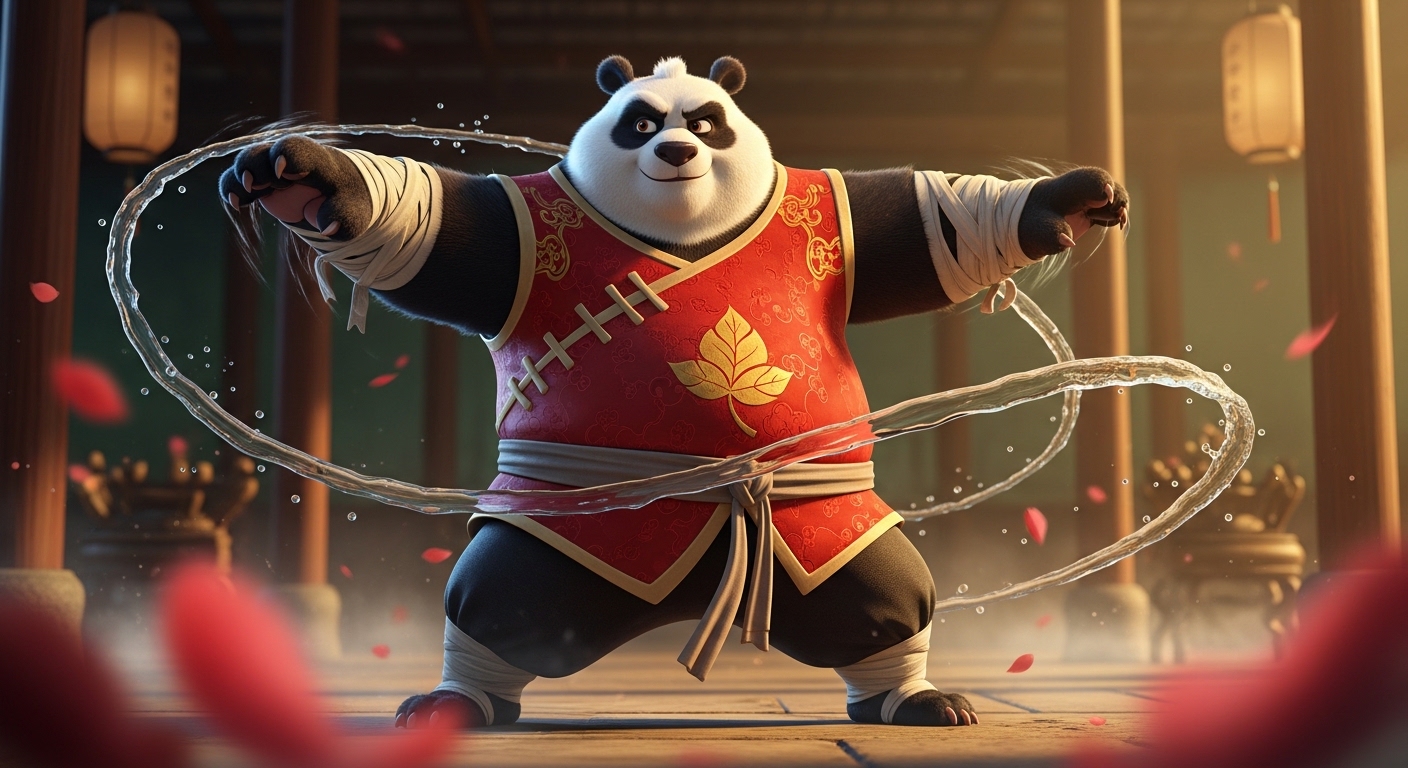
    Walk into any beginner’s class and you will see the same thing — students striking high, fast, and upright, dancing on the balls of their feet. Walk into a master’s class and you will see the opposite. Hips low. Weight heavy. Feet planted in shapes that feel awkward the first month. This is the stance the movies never show, and it is the stance that actually wins. What looks weak is rooted. What looks static is patient. What looks ugly is unshakeable.

    Why It Works

    A high, mobile stance is fast but has no foundation. When a real strike comes, there is nothing underneath the body to absorb or redirect it. The low stance, by contrast, is an engineering decision. Lower center of gravity. Wider base. More ground contact. It wins the way an old tree wins against a young one in a storm — not by being bigger, but by being attached to more earth.

    The Life Principle Underneath

    Everything that lasts is built this way. The boring compounding investment beats the flashy trade. The deep friendship outlasts the exciting fling. The unglamorous daily practice beats the weekend warrior. In every domain, the pattern holds: width of foundation is a better predictor of survival than height of ambition. Build your stance first; the flashy moves will have somewhere to land.

    Your Stance This Week

    Pick one area of your life where you have been trying to move fast and flashy. Your health. Your marriage. Your craft. This week, do nothing flashy. Do the unsexy foundational thing — once a day, every day. Go to sleep on time. Call the person. Do the reps. At first it will feel like you are losing ground to the fast movers. By the fourth week, you will notice the fast movers getting knocked over and you, quietly, still standing.

    This article is offered for reflection and self-study. The Way is walked, not read — take what resonates, test it in your own practice, and leave the rest.
  • Wu Wei: The Art of Effortless Action for Modern Life

    Wu Wei: The Art of Effortless Action for Modern Life

    The Taoist principle of wu wei is not laziness — it is the elite performance state every athlete, artist, and fighter secretly chases.

    The Most Misunderstood Word in Chinese Philosophy

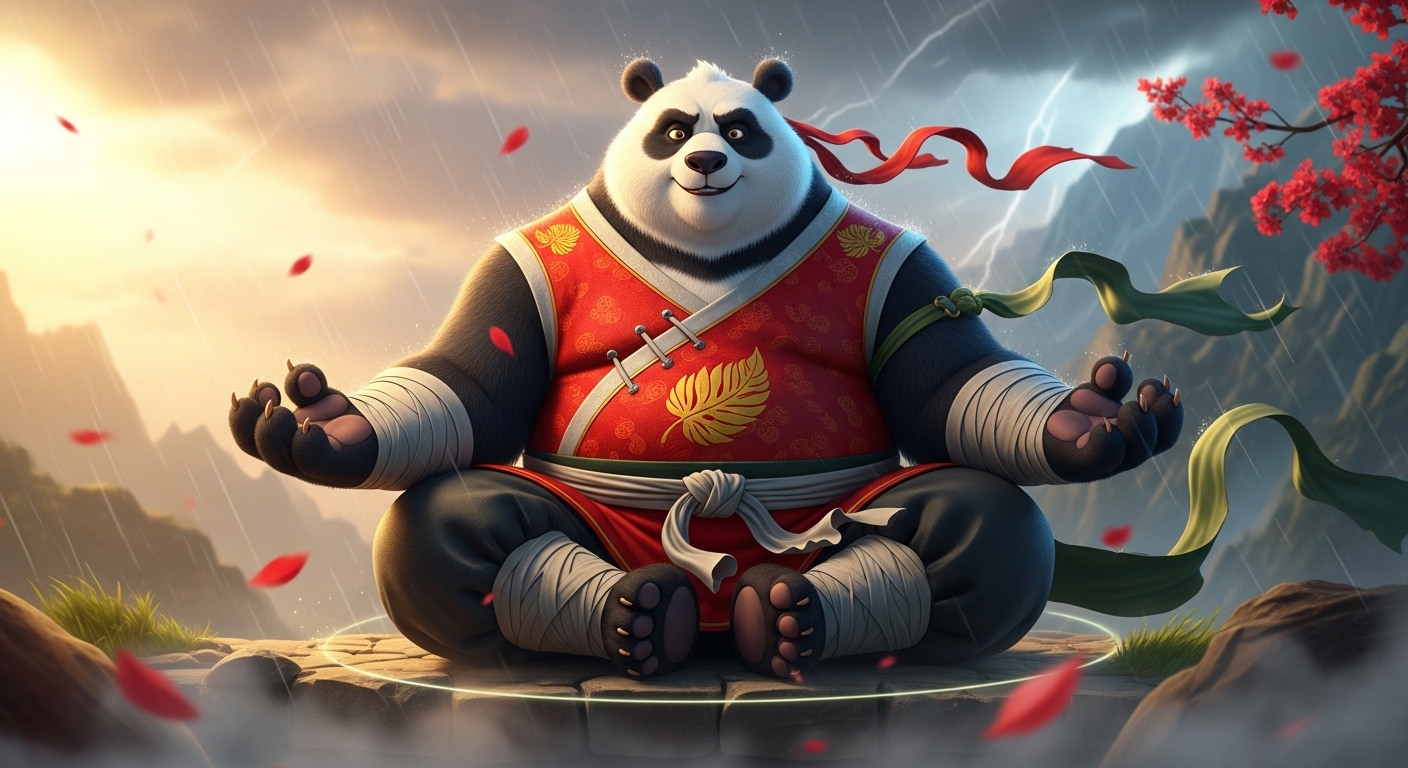
    Wu wei translates literally as ‘non-doing,’ and the word trips most Westerners at the first step. They hear it as passivity, quietism, a life of shrugs. It is none of those things. Wu wei is action so aligned with the grain of the moment that it costs nothing extra. A leaf falling. A master’s strike. A perfect sentence. Wu wei is the absence of friction, not the absence of motion.

    Where You Already Know It

    You have felt wu wei. It is the shot that left your hand before you thought about it. The conversation that flowed without effort. The chapter you wrote in one sitting. Athletes call it flow. Musicians call it the groove. Fighters call it being in the zone. It is the same state under different names — the moment when your skill, the situation, and your attention lock into one thing, and all three stop fighting each other.

    How to Train Toward It

    Wu wei cannot be forced; the forcing is exactly what destroys it. But it can be invited. First, over-train the fundamentals until they become automatic — you cannot flow through something you are still thinking about. Second, reduce inputs — flow is fragile and noise kills it. Third, narrow your focus to one task at a time with a clear enough purpose that your whole system can align behind it. Flow is what happens when there is no internal argument about what to do.

    Putting It to Work Tomorrow

    Pick one task you do daily that still feels like a grind. Commit to doing it, for one week, with no multitasking, no music with lyrics, no phone in reach. Notice what happens on day three or four. The task does not get easier; something inside you stops resisting it. That is the first taste of wu wei. Once you have tasted it, you will stop accepting friction as inevitable — and that changes everything.

    This article is offered for reflection and self-study. The Way is walked, not read — take what resonates, test it in your own practice, and leave the rest.
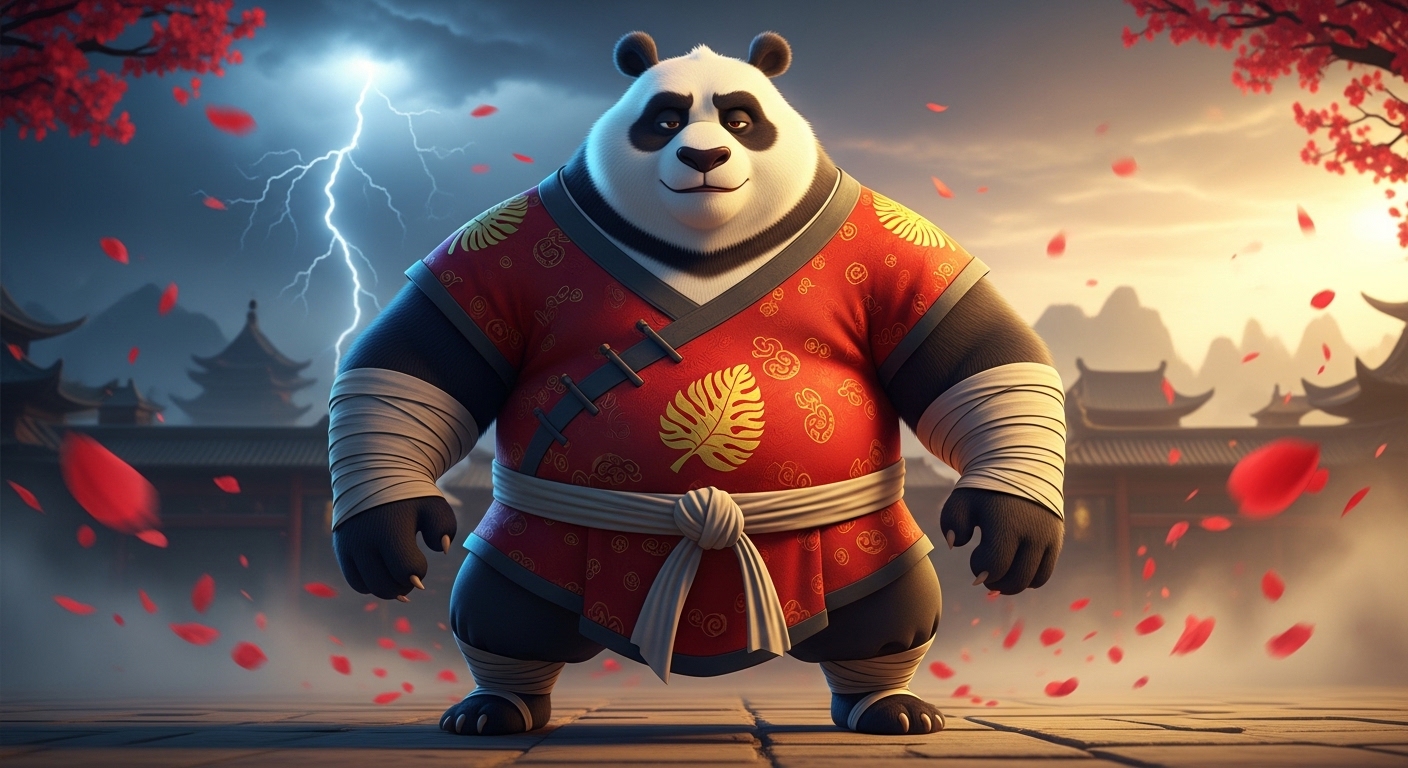
  • Inner Peace Is Not the Absence of Storm, But Stillness Within It

    Inner Peace Is Not the Absence of Storm, But Stillness Within It

    Real peace is not a quiet room — it is an unshakable center you carry into every loud, chaotic, demanding corner of your life.

    Rethinking What Peace Means

    Most people chase peace like a destination — a beach, a retreat, a weekend with the phone off. But the moment real life returns, the peace evaporates. This is the first great misunderstanding of the path. Peace is not the scenery around you. It is the posture within you. A master fighting for their life on a battlefield can have more peace than a tourist sunburning on a Sunday afternoon. Circumstance is the wind; peace is how deeply you have rooted.

    The Ancient Principle

    The old scrolls describe the mind as a pond. When the surface is still, every ripple is visible. When the pond itself is churning, nothing can be read. But — and this is the key — the depth of the pond never changes. The turbulence is always only on the surface. Your task is not to prevent the wind. It is to remember that you are the water underneath, not the waves on top.

    A Practice for This Week

    Each morning, before your feet touch the floor, sit up and take three slow breaths with your eyes closed. Notice — without trying to fix — whatever weather is already inside you. Tired? Anxious? Sharp? Blunt? The practice is not to change the weather. It is to become the one who can observe the weather. This tiny act, repeated, rewires your relationship with chaos.

    The Deeper Truth

    The warrior who finds peace only in silence has found half the prize. The warrior who can find it in the middle of a storm has found the whole one. Stillness is not the absence of motion. It is the stability from which all skilled motion flows. Build that center, and you will stop searching for peaceful places — you will bring peace with you.

    This article is offered for reflection and self-study. The Way is walked, not read — take what resonates, test it in your own practice, and leave the rest.

  • The Way of the Panda: Why Stillness Is Stronger Than Fury

    The Way of the Panda: Why Stillness Is Stronger Than Fury

    The old masters knew that rage burns itself out in seconds, while stillness outlasts every storm — and wins every real fight.

    The Paradox at the Heart

    Every beginner walks into the dojo convinced that power is loud. The spinning kick. The shouted strike. The furious outburst. But watch any true master and you will see the opposite — a quietness so complete it almost feels like absence. That quietness is not weakness. It is the compressed weight of a decade of training, waiting for the exact moment to move. Fury is noise; stillness is signal.

    Why This Matters Now

    The modern world rewards reaction. Every notification, deadline, and difficult conversation is an invitation to flare up, to defend, to roar. But the cost of reactivity is compounding — in your relationships, your work, your body. The warriors who walked these mountains a thousand years ago faced bandits, war, and betrayal, and they still concluded the same thing: the person who controls their inner weather controls the fight before it begins.

    How to Practice

    Start with a single breath between stimulus and response. Before the reply, before the rebuttal, before the reaction — one slow inhale, one slow exhale. This is the smallest unit of stillness, and it is the foundation of every larger discipline. Over weeks, that breath becomes five. Then a pause. Then a choice. Stillness is not a mood you achieve; it is a muscle you drill, one held breath at a time.

    Walking It Forward

    Tomorrow, the storm will come — the email, the argument, the setback. Do not meet it with fire. Meet it with the mountain. You will find, as the old panda masters found, that most storms pass through a still thing without leaving a mark. That is not resignation. That is the deepest kind of power there is.

    This article is offered for reflection and self-study. The Way is walked, not read — take what resonates, test it in your own practice, and leave the rest.