
Tag: inner strength

  • The Dragon Within: Finding Courage When You Feel Like Prey

    The Dragon Within: Finding Courage When You Feel Like Prey

    Everyone has a dragon inside them. Most people spend their lives trying to keep it hidden — here is how to meet yours, and why you should.

    The Prey Posture

    There is a shape fear takes in the body, and once you learn to see it, you see it everywhere. Rounded shoulders. Held breath. Small voice. Eyes on the exit. This is the prey posture, and most adults carry it into their meetings, their dinners, and their sleep. It is not your fault — evolution wired it in — but it is not your destiny. Underneath the prey is the predator. Underneath the predator, in the old mythology, is the dragon: the part of you that does not flinch.

    Why the Dragon Got Buried

    Most of us buried our dragon young. A classroom where being loud got punished. A family where big feelings were too much. A culture that rewarded fitting in. Burial was sensible then; the dragon was bigger than the room it was in. But you are not in that room anymore. The cage is still in your shoulders, but the lock is long rusted. The work is not to become someone new. It is to release something that was there the whole time.

    How to Begin the Meeting

    Start with the body, because that is where the dragon lives. Stand taller, even when no one is watching. Breathe lower — into the belly, not the chest. Speak from the diaphragm. Make eye contact half a second longer than feels comfortable. Each of these is a small act of sovereignty. Over weeks, the body remembers that it is a creature with teeth, not a creature hoping to go unnoticed. The dragon wakes up slowly, and that is how you want it.

    What Courage Actually Looks Like

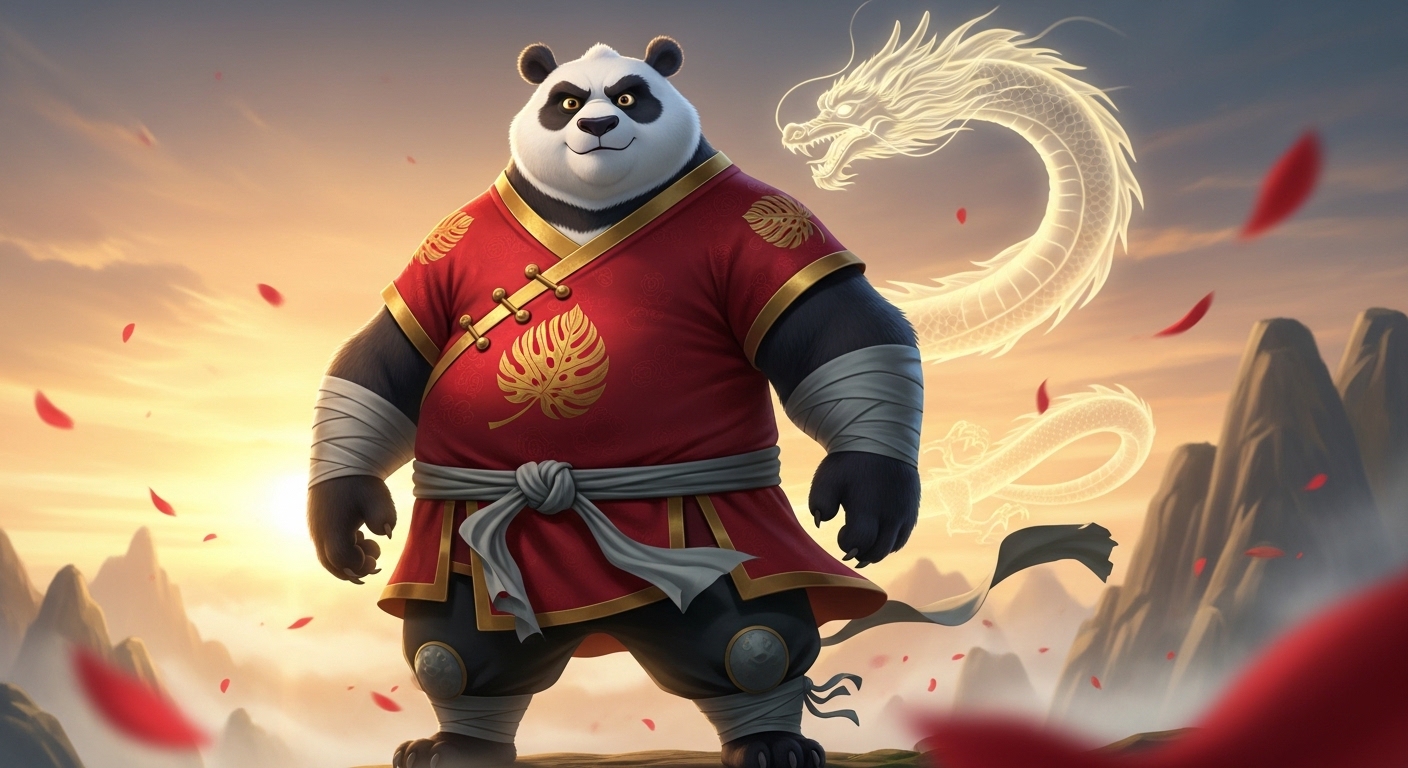
    The courageous person is not the one without fear. They are the one whose dragon has been integrated, not escaped. They can be gentle, because they know they could be dangerous. They can listen, because they are not about to be overrun. Meet your dragon. Feed it discipline. Aim it at something worth fighting for. You will stop looking for permission to take up space, because you will finally know what you are made of.

    This article is offered for reflection and self-study. The Way is walked, not read — take what resonates, test it in your own practice, and leave the rest.
  • The Way of the Panda: Why Stillness Is Stronger Than Fury

    The Way of the Panda: Why Stillness Is Stronger Than Fury

    The old masters knew that rage burns itself out in seconds, while stillness outlasts every storm — and wins every real fight.

    The Paradox at the Heart

    Every beginner walks into the dojo convinced that power is loud. The spinning kick. The shouted strike. The furious outburst. But watch any true master and you will see the opposite — a quietness so complete it almost feels like absence. That quietness is not weakness. It is the compressed weight of a decade of training, waiting for the exact moment to move. Fury is noise; stillness is signal.

    Why This Matters Now

    The modern world rewards reaction. Every notification, deadline, and difficult conversation is an invitation to flare up, to defend, to roar. But the cost of reactivity is compounding — in your relationships, your work, your body. The warriors who walked these mountains a thousand years ago faced bandits, war, and betrayal, and they still concluded the same thing: the person who controls their inner weather controls the fight before it begins.

    How to Practice

    Start with a single breath between stimulus and response. Before the reply, before the rebuttal, before the reaction — one slow inhale, one slow exhale. This is the smallest unit of stillness, and it is the foundation of every larger discipline. Over weeks, that breath becomes five. Then a pause. Then a choice. Stillness is not a mood you achieve; it is a muscle you drill, one held breath at a time.

    Walking It Forward

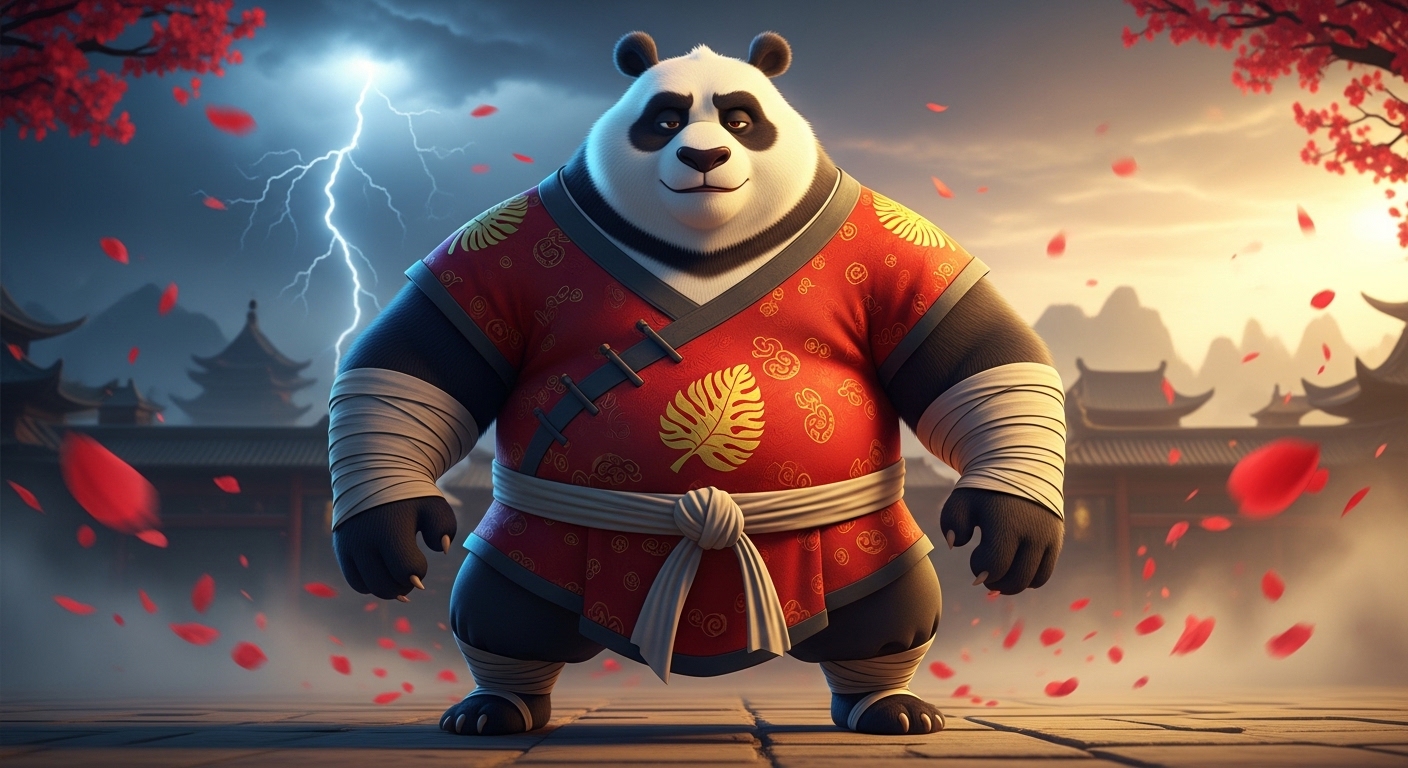
    Tomorrow, the storm will come — the email, the argument, the setback. Do not meet it with fire. Meet it with the mountain. You will find, as the old panda masters found, that most storms pass through a still thing without leaving a mark. That is not resignation. That is the deepest kind of power there is.

    This article is offered for reflection and self-study. The Way is walked, not read — take what resonates, test it in your own practice, and leave the rest.