
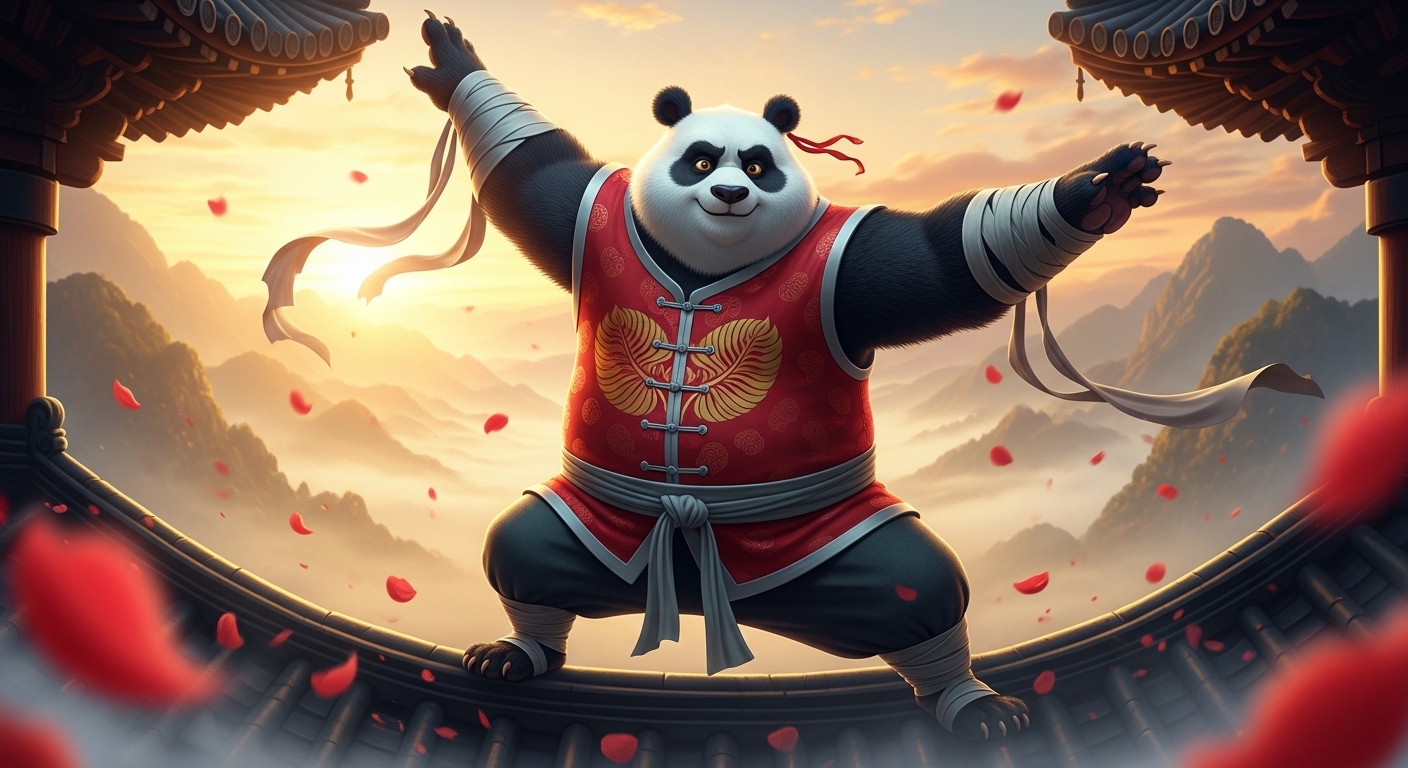
Fifteen minutes at sunrise — no equipment, no dojo, no excuses. The morning ritual that transforms the rest of your day.
Why Dawn Matters
The hours before the world wakes up are not just quieter; they are neurologically different. Your mind has not yet absorbed the day’s emails, arguments, and news cycles. Your body, stiff from sleep, is willing to be taught. Most of the world’s great warrior traditions trained at dawn, and it was not superstition. It was the practical recognition that the earliest hour is the most trainable, most honest, most yours. What you do at 6 a.m. shapes who you are at 6 p.m.
The Fifteen-Minute Ritual
Minute one to three: standing breath. Feet shoulder-width, knees soft, hands at belly. Breathe slowly into the lower abdomen, extending the exhale. Minute four to eight: joint rotations from head to toe. Slow circles at the neck, shoulders, wrists, hips, knees, ankles. Minute nine to twelve: three slow stances held for a minute each — horse, bow, empty. Minute thirteen to fifteen: silent stillness. Eyes soft, mind unemployed. That is the whole thing.
What Changes When You Do It Daily
The first week feels ordinary. The second week, your sleep deepens and you wake before the alarm. By the third week, your day has a different texture — less reactive, more deliberate. By the end of the month, something has shifted that you will struggle to articulate. The ritual is small. The effect is not. The smallness is the point: something this minor, done unfailingly, outperforms almost any larger intervention you could stack on top.
Starting Tomorrow
You do not need to be a kung fu practitioner to do this. You need fifteen minutes and enough self-respect to keep a small promise to yourself. Do not wait for a clean slate or a quiet week. Start on the messiest possible morning. The ritual earns its meaning in the unglamorous days, not the retreat ones. Dawn is coming whether you meet it or not. The dawn warrior is simply the person who decides to meet it on purpose.
This article is offered for reflection and self-study. The Way is walked, not read — take what resonates, test it in your own practice, and leave the rest.
Leave a Reply