
Tag: ritual

  • The Lantern Festival and What It Teaches About Letting Go

    The Lantern Festival and What It Teaches About Letting Go

    A two-thousand-year-old festival about light, release, and the old wisdom of putting something down so something else can begin.

    The Festival Itself

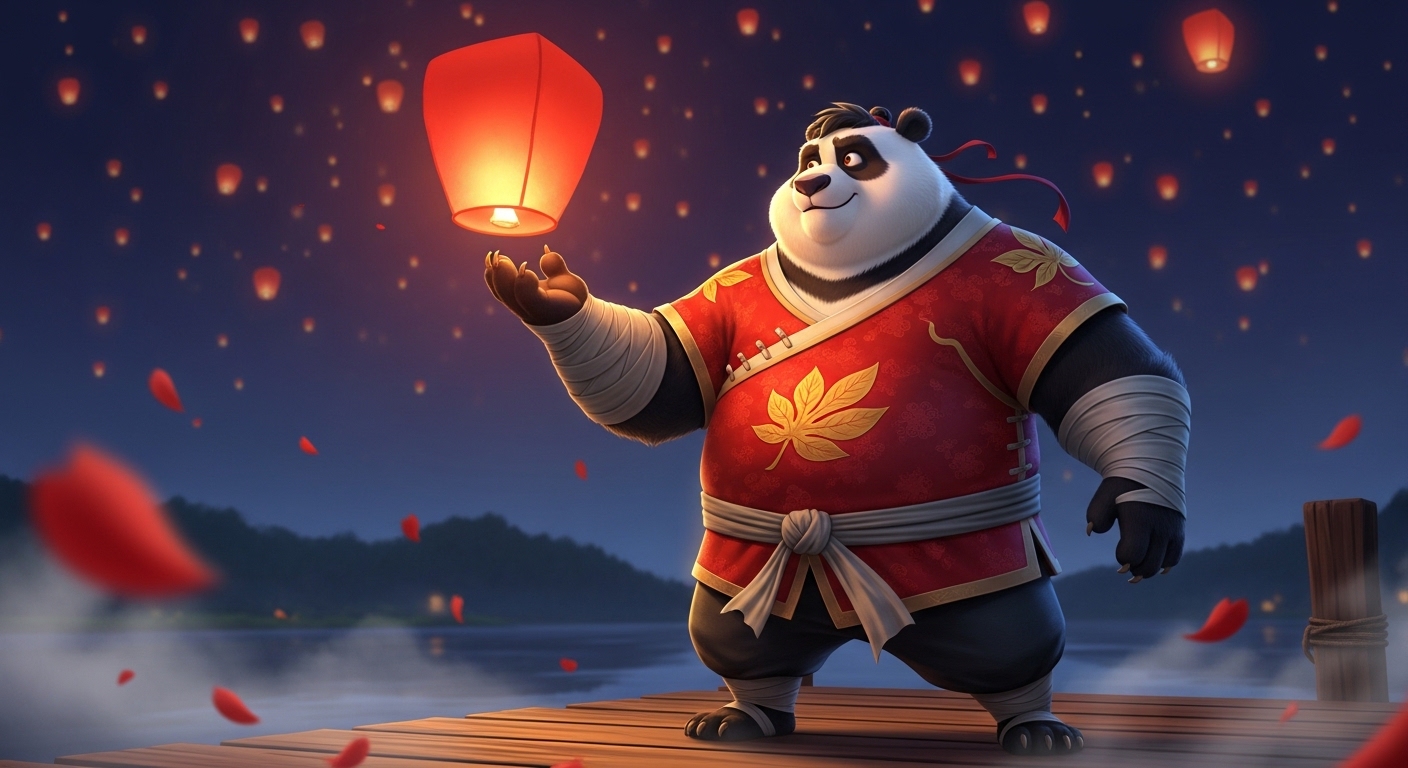
    The Lantern Festival marks the fifteenth day of the first lunar month, the end of the Chinese New Year period. Lanterns of every size are hung along streets and released into skies and rivers. Riddles are solved. Sweet rice dumplings are eaten. It looks like a celebration — and it is — but underneath the color is a much older ceremony: the formal closing of the previous year. You let the lantern go. You let what was, be finished. The festival is a culture-wide exercise in clean endings.

    Why Clean Endings Matter

    Most modern lives do not have clean endings. Projects trail into other projects. Relationships fade rather than finish. Years blur together. The nervous system, without ceremony, treats nothing as truly complete, and therefore nothing as truly beginning. This is why so many people feel low-grade exhausted without being able to name the cause. You are carrying every unfinished thing. A lantern festival, large or small, is a mechanism for formally releasing what is no longer yours to hold.

    How to Create Your Own

    You do not need to be in China on the correct lunar date. Choose a moment that matters to you — the end of a year, a project, a season. Write down what you are releasing. Burn the paper, or release it down a river, or float it in a lantern if you can. The ritual form is less important than the fact that you are performing one at all. The mind needs a formal event to mark a closure; otherwise, it keeps the file open indefinitely. Give it the event, and it can finally move on.

    The Deeper Wisdom

    The festival’s real teaching is that holding on is not always virtue. Some things are done. The lantern going up is a way of admitting that, physically, in the presence of witnesses. You will find, if you build this into your life even once a year, that the following season begins with a lightness you had forgotten was possible. Let it go. The light rises. The year begins. This is how cultures older than yours have always known to carry life without being crushed by its accumulation.

    This article is offered for reflection and self-study. The Way is walked, not read — take what resonates, test it in your own practice, and leave the rest.
  • Tea Ceremony: Why Warriors Drank Before They Fought

    Tea Ceremony: Why Warriors Drank Before They Fought

    The link between tea and combat is older and deeper than most people realize — and the ritual still has something to teach us today.

    The Surprising Connection

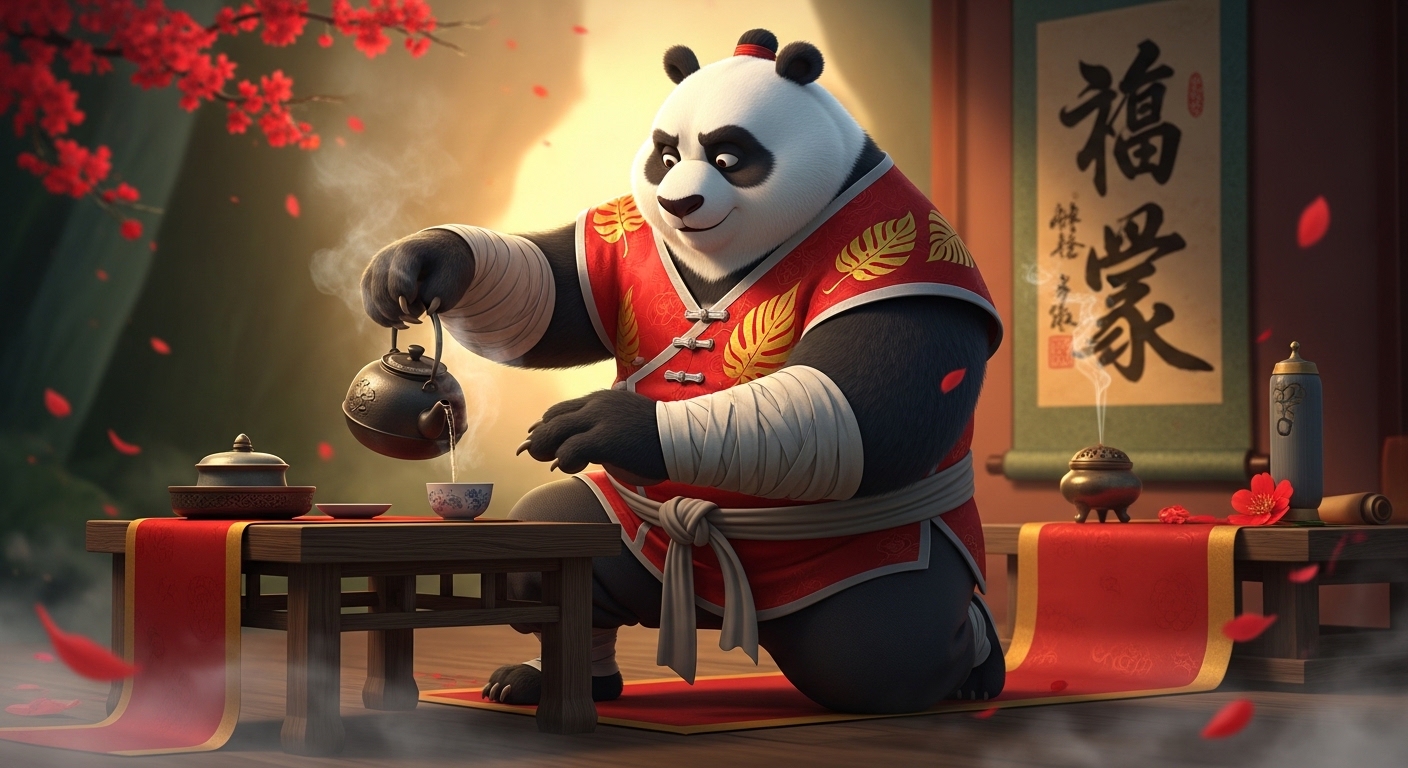
    Tea ceremony looks, to outsiders, like the opposite of combat. Slow. Precise. Decorative. But both Chinese martial schools and Japanese samurai culture treated tea ceremony as essential training for warriors. The link was not superstition. It was a recognition that the state of mind you cultivate before a fight is the state of mind that fights. Tea ceremony was a meticulous, twenty-minute drill in focused attention, performed under social observation, with small consequences for small errors. It was combat preparation disguised as hospitality.

    What the Ritual Actually Trains

    Every step of the ceremony — the cleaning of the bowl, the measuring of the leaves, the pouring of the water, the offering of the cup — has specific, precise motions that must be executed without hurry and without wasted movement. This is the same quality a warrior needs in the moment of engagement. Economy. Presence. The absence of extra. A practitioner who can perform a tea ceremony cleanly has demonstrated a kind of attentional control that transfers, very directly, into the moment when a blade is drawn.

    The Modern Application

    You do not need tea to practice this. Pick one small, repeatable daily ritual — making coffee, folding a shirt, preparing dinner — and turn it into a ceremony. No phone. No radio. No multitasking. Full attention to every micro-movement. Fifteen minutes is enough. What you are training is not the ritual; it is the capacity to be fully present while doing something ordinary. That capacity then shows up in the moments that matter. The warrior’s tea is the entry drill for the warrior’s focus.

    Why Small Rituals Matter

    Modern life aggressively opposes rituals. Everything is optimized, sped up, multitasked into a blur. To cultivate a single daily act of deliberate slowness is a quiet rebellion, and it produces effects far beyond its obvious footprint. You become someone who can land, on command, in the present moment. That is a warrior’s skill whether or not you ever face combat. The tea is not the point. The attention it teaches is. Keep one ritual sacred. The rest of your life will organize itself around that one still point.

    This article is offered for reflection and self-study. The Way is walked, not read — take what resonates, test it in your own practice, and leave the rest.
  • The Moon-Gazing Ritual for Clearing a Cluttered Mind

    The Moon-Gazing Ritual for Clearing a Cluttered Mind

    An old contemplative practice used by Chinese poets and monks — simple, seasonal, and surprisingly effective on cluttered modern brains.

    The Practice in One Sentence

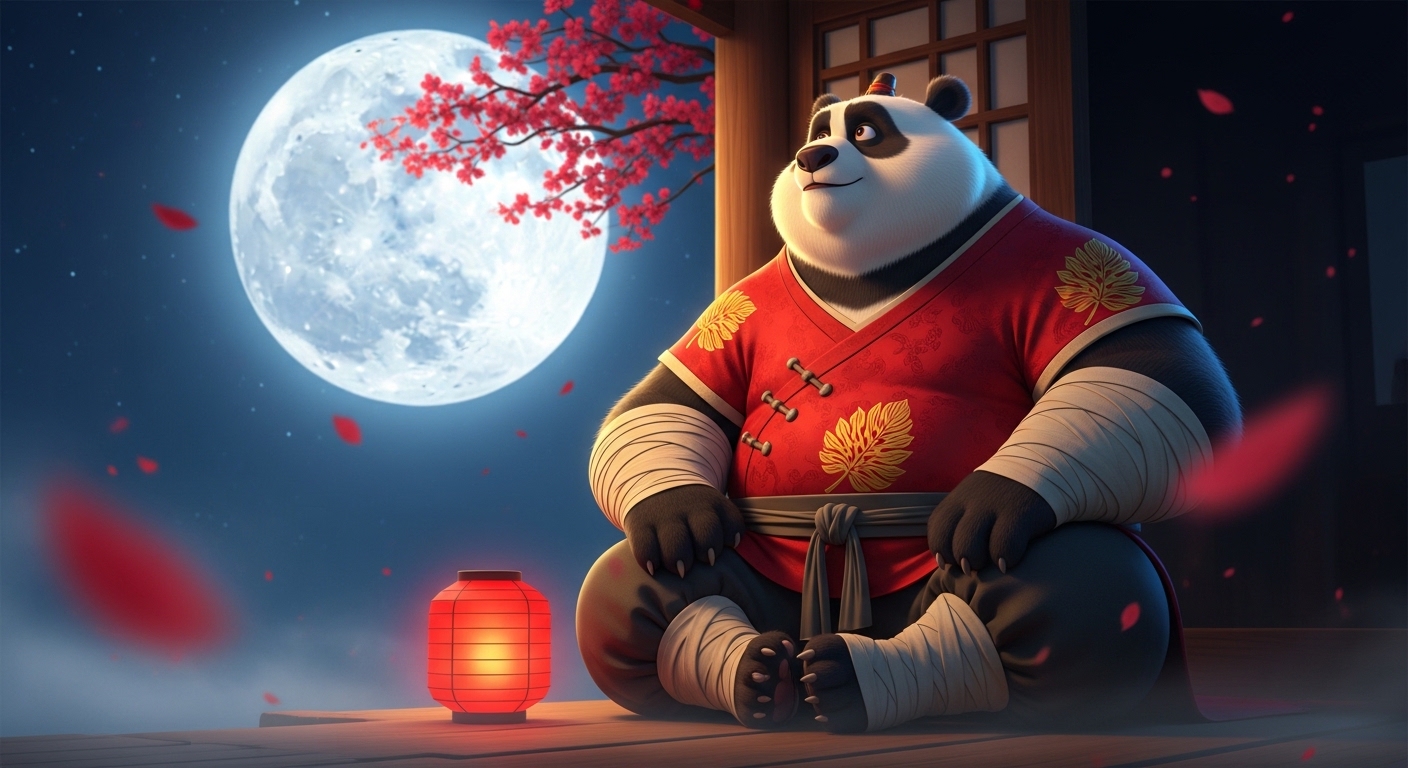
    You go outside on a night when the moon is visible. You sit, or stand, or lie down. You look at the moon — really look — for fifteen minutes, without your phone, without narration, without attempting anything. That is the whole practice, and it has been done under that same moon, by people very much like you, for at least two thousand years of continuous record.

    Why Moonlight Specifically

    The physiological answer is that moonlight is dim enough that your pupils dilate and your nervous system shifts into a quieter register than daylight allows. The psychological answer is that the moon is vast, silent, and not asking you to do anything — rare qualities in the modern visual field. The cultural answer is that the moon has been humanity’s most reliable companion for most of history, and nightly attention to it was once the default, not the rarity.

    What It Does to You

    The first time, you may feel mildly bored or mildly silly. The second or third, something shifts. Your mind, denied the usual evening stimulation, begins to unspool. Thoughts you did not realize you were holding surface and pass. You notice the quality of the air, the sound of your own breath, the faint movement of clouds. None of this is dramatic. All of it is recalibrating. You are, gently, being reminded that you are an animal in a landscape, not a user in an interface.

    How to Begin

    Check when the moon rises tonight. If it is visible from anywhere you can sit, go there. Fifteen minutes is enough. Do this weekly, not daily — let it remain a small ceremony rather than becoming another chore. Over months, you will begin to mark time by moons rather than meetings, and that alone will change something about how your mind lands in the world. The moon is free. It is showing up tonight whether you meet it or not.

    This article is offered for reflection and self-study. The Way is walked, not read — take what resonates, test it in your own practice, and leave the rest.

  • The Dawn Warrior: A 6 AM Kung Fu Ritual Anyone Can Do

    The Dawn Warrior: A 6 AM Kung Fu Ritual Anyone Can Do

    Fifteen minutes at sunrise — no equipment, no dojo, no excuses. The morning ritual that transforms the rest of your day.

    Why Dawn Matters

    The hours before the world wakes up are not just quieter; they are neurologically different. Your mind has not yet absorbed the day’s emails, arguments, and news cycles. Your body, stiff from sleep, is willing to be taught. Most of the world’s great warrior traditions trained at dawn, and it was not superstition. It was the practical recognition that the earliest hour is the most trainable, most honest, most yours. What you do at 6 a.m. shapes who you are at 6 p.m.

    The Fifteen-Minute Ritual

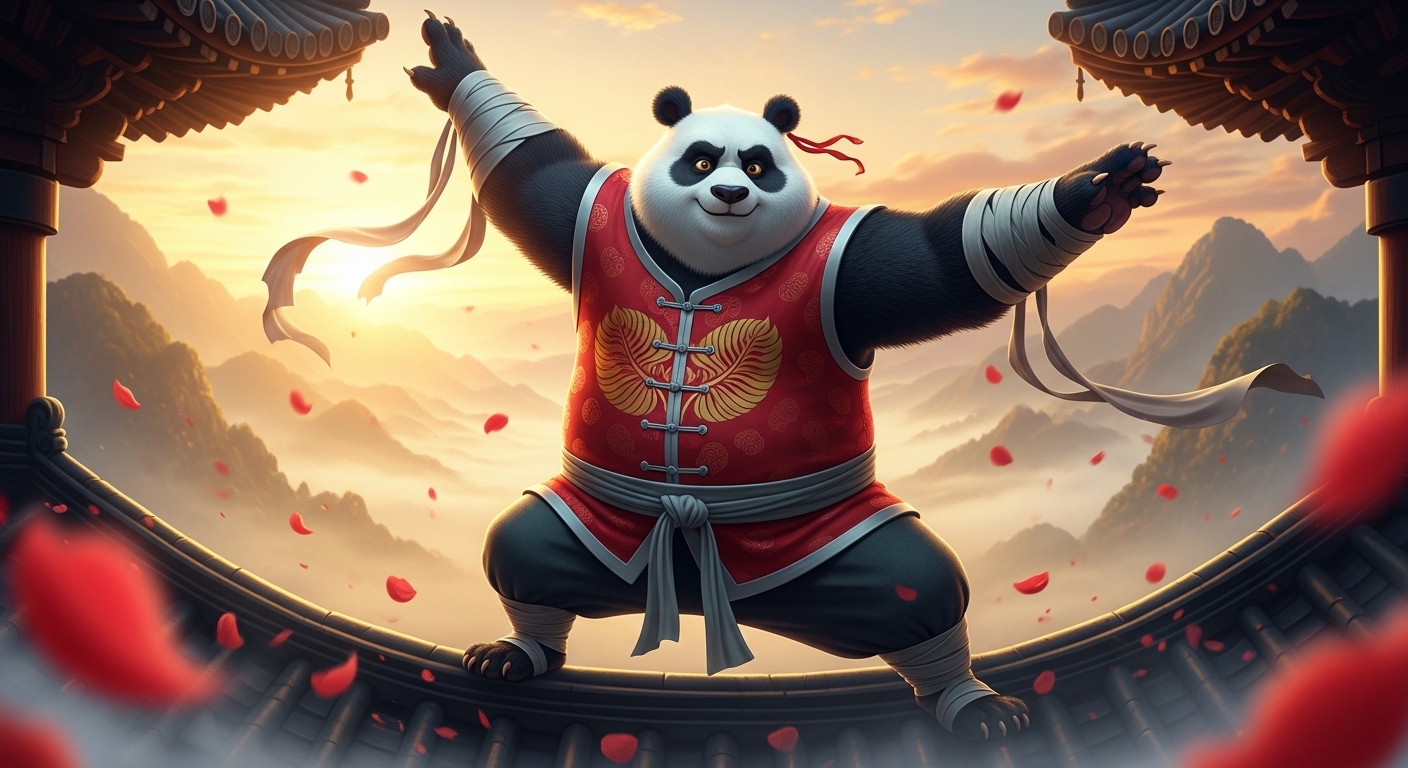
    Minute one to three: standing breath. Feet shoulder-width, knees soft, hands at belly. Breathe slowly into the lower abdomen, extending the exhale. Minute four to eight: joint rotations from head to toe. Slow circles at the neck, shoulders, wrists, hips, knees, ankles. Minute nine to twelve: three slow stances held for a minute each — horse, bow, empty. Minute thirteen to fifteen: silent stillness. Eyes soft, mind unemployed. That is the whole thing.

    What Changes When You Do It Daily

    The first week feels ordinary. The second week, your sleep deepens and you wake before the alarm. By the third week, your day has a different texture — less reactive, more deliberate. By the end of the month, something has shifted that you will struggle to articulate. The ritual is small. The effect is not. The smallness is the point: something this minor, done unfailingly, outperforms almost any larger intervention you could stack on top.

    Starting Tomorrow

    You do not need to be a kung fu practitioner to do this. You need fifteen minutes and enough self-respect to keep a small promise to yourself. Do not wait for a clean slate or a quiet week. Start on the messiest possible morning. The ritual earns its meaning in the unglamorous days, not the retreat ones. Dawn is coming whether you meet it or not. The dawn warrior is simply the person who decides to meet it on purpose.

    This article is offered for reflection and self-study. The Way is walked, not read — take what resonates, test it in your own practice, and leave the rest.