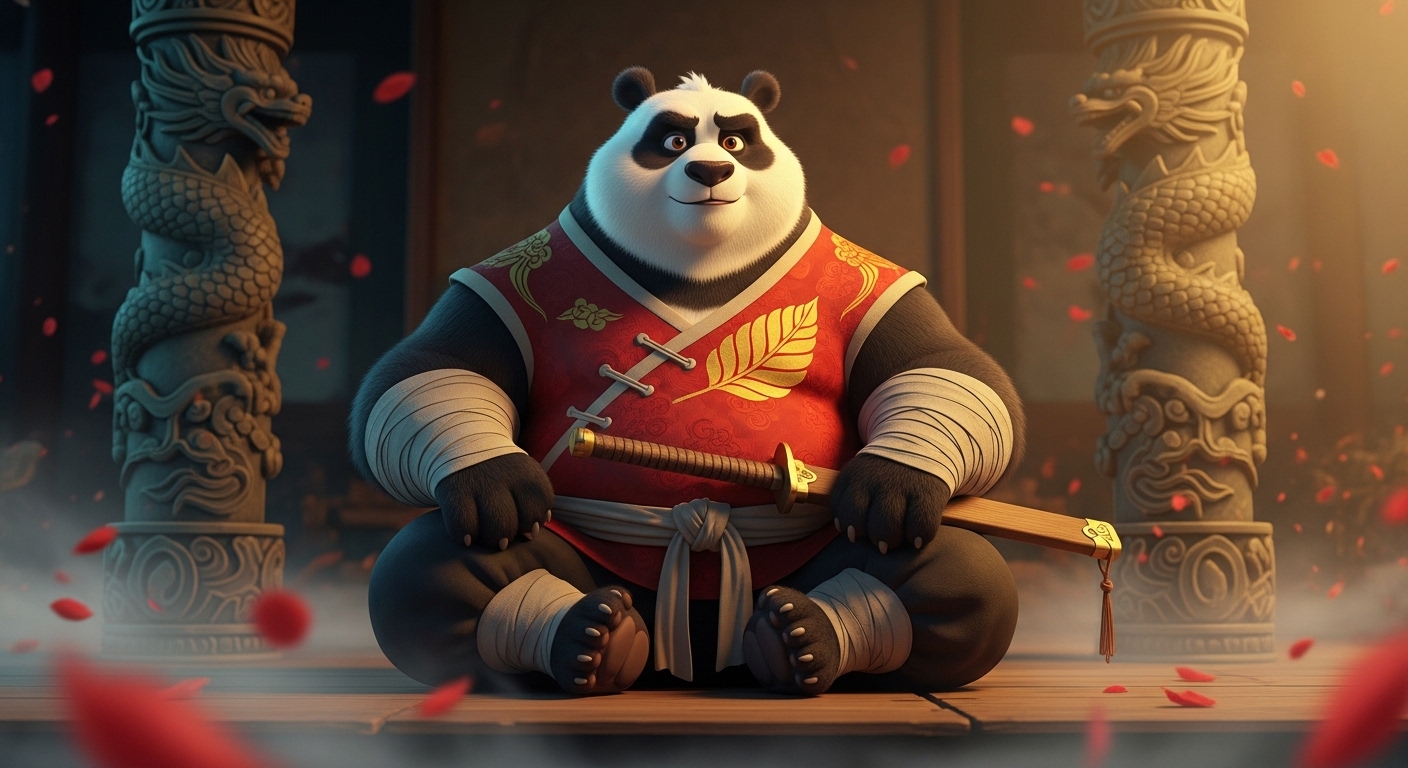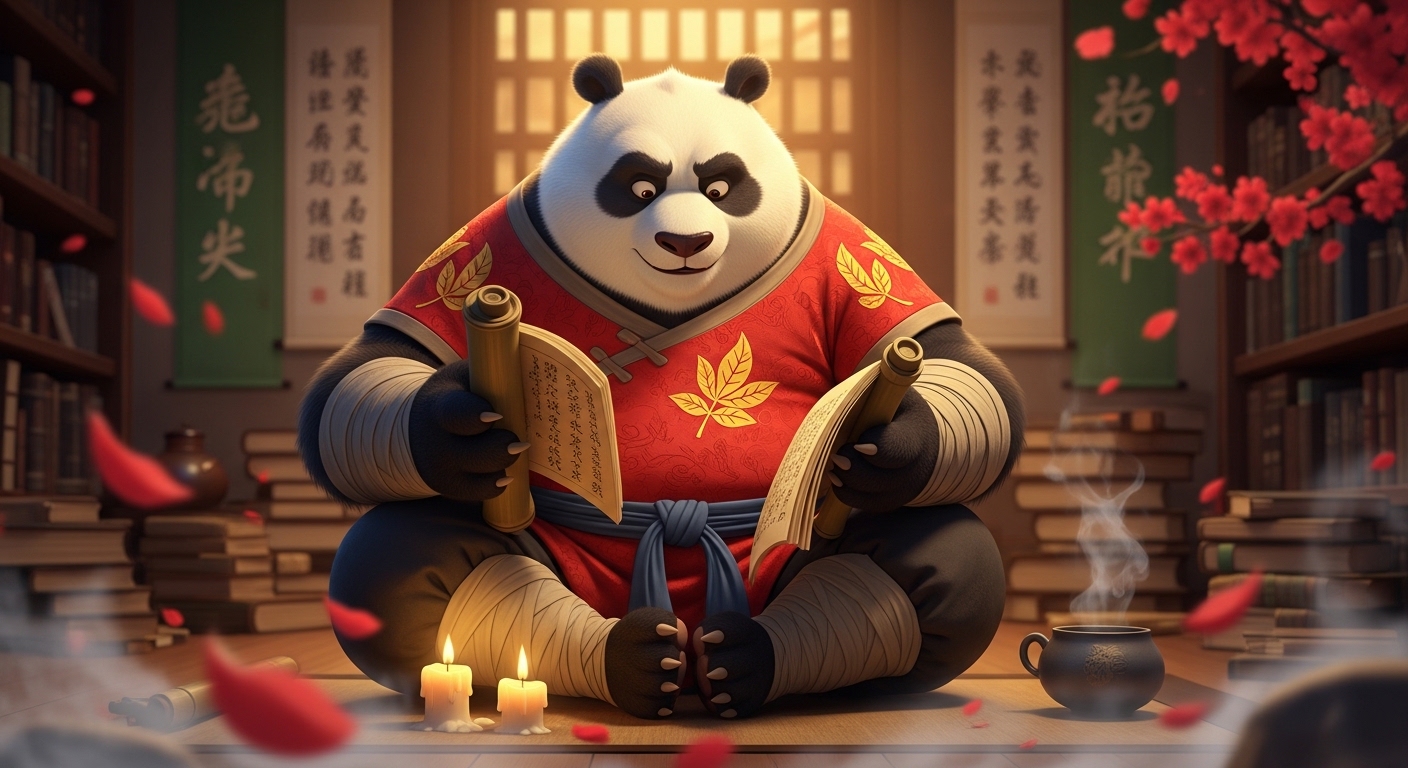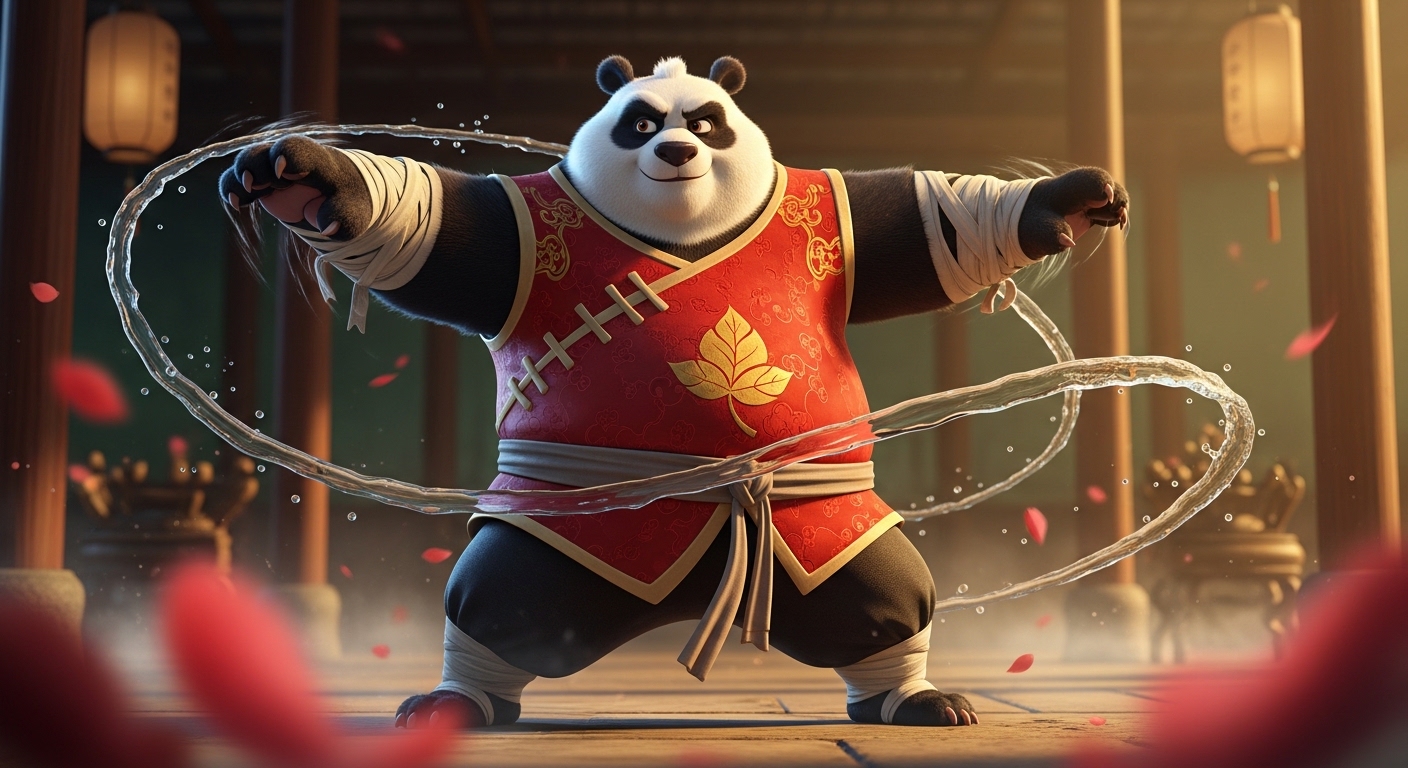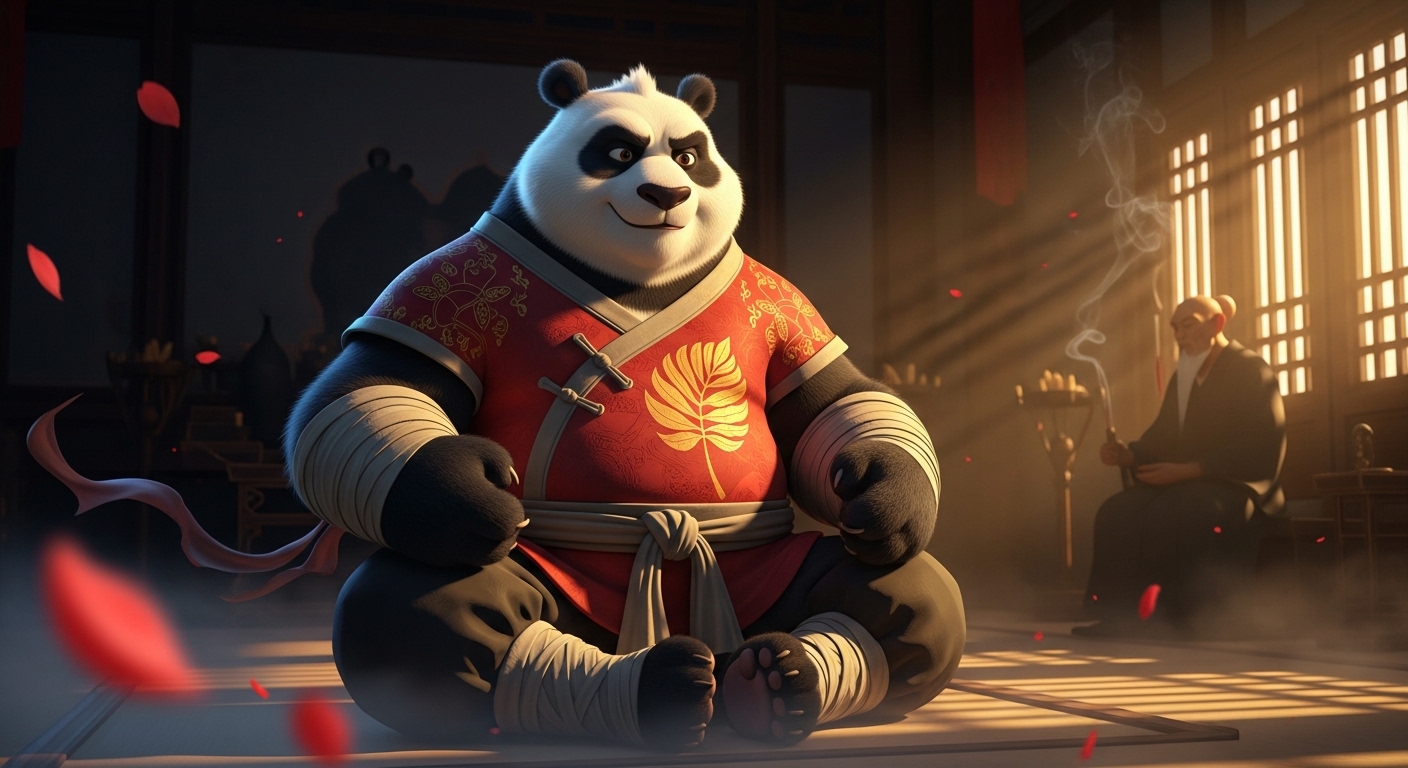
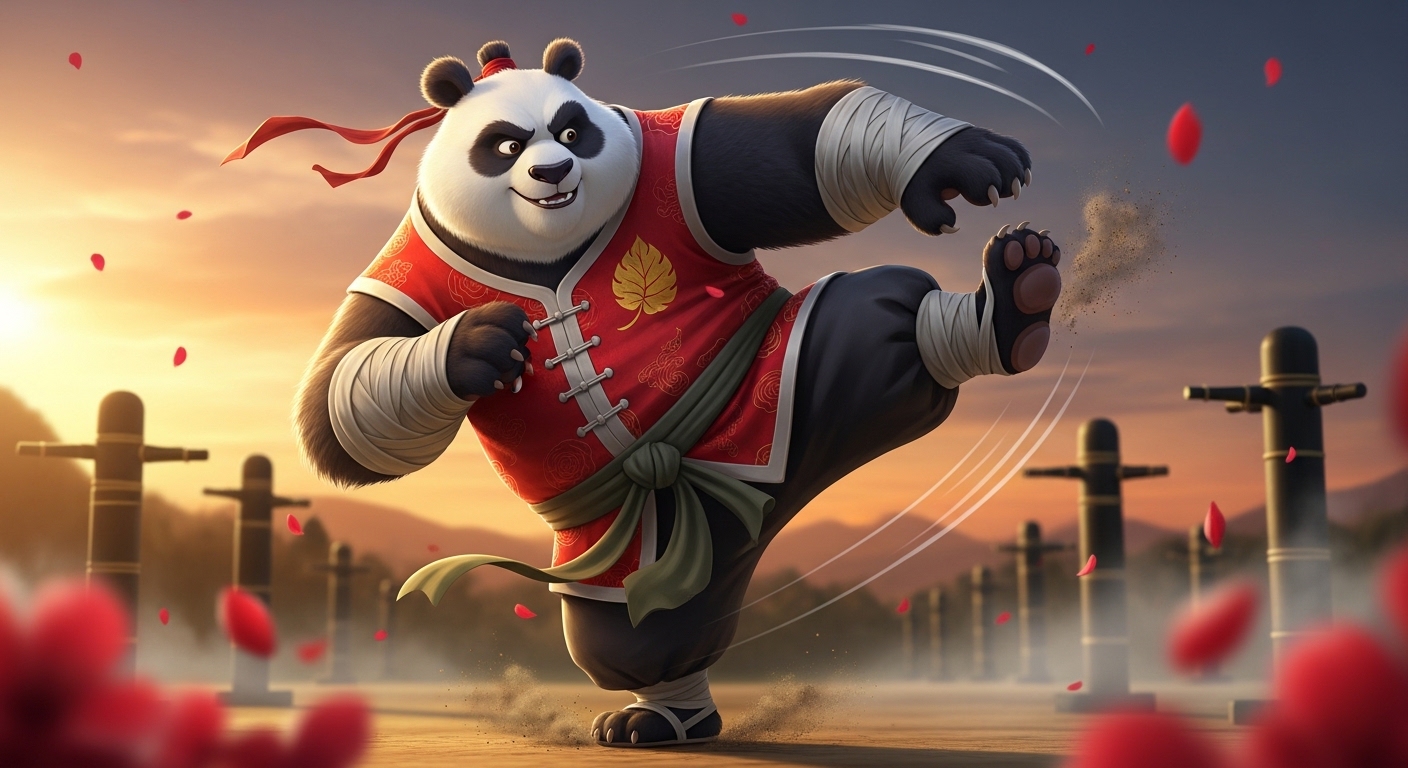
Bruce Lee said he did not fear the man who practiced 10,000 kicks once — he feared the man who practiced one kick 10,000 times.
The Quote Everyone Knows and Misunderstands
The quote gets repeated in every gym, but most people stop at the slogan. The deeper point is this: mastery is not a collection of techniques. It is the depth of a single movement pattern repeated enough times that it becomes indistinguishable from the person performing it. A beginner with ten kicks is a tourist. A veteran with one kick, drilled ten thousand times, is a specialist. And specialists, in real life, beat tourists every time.
What Repetition Actually Builds
The surface thing repetition builds is technique — yes, the alignment, the timing, the reach. But beneath that, it builds something more important: a nervous system that no longer has to think. In the high-stress moment — a fight, a deadline, a hard conversation — your cortex goes offline. What remains is whatever you have trained into your body and below. Repetition is the only currency that buys you access to that layer. Books, courses, and weekend seminars cannot.
How to Practice Without Going Insane
Repetition without awareness is just mileage on a broken machine. You need three conditions: first, a specific goal within the movement — not ‘do a kick’ but ‘chamber higher, contact tighter.’ Second, slow tempo for the first portion, to groove alignment before speed corrupts it. Third, rest between sets so the nervous system can lock in what it just learned. One hundred good reps with attention beat one thousand lazy ones with none. Quality of attention is the multiplier.
The Lesson for Everything Else
This is not just kung fu. Writers. Coders. Musicians. Surgeons. Every master you have ever met has one thing in common: they did one thing more times than anyone else was willing to. If you want to get good at something, pick fewer things and repeat them further. Ten thousand is not a literal number. It is a way of saying — long past the point where it stopped being interesting. The interesting part is on the other side of the repetitions.
This article is offered for reflection and self-study. The Way is walked, not read — take what resonates, test it in your own practice, and leave the rest.