
Author: lat

  • Why Chinese Medicine Sees Emotion as Stored in Your Organs

    Why Chinese Medicine Sees Emotion as Stored in Your Organs

    A system two thousand years older than psychology, mapping feelings to the body — and why modern research keeps catching up to it.

    The Old Map

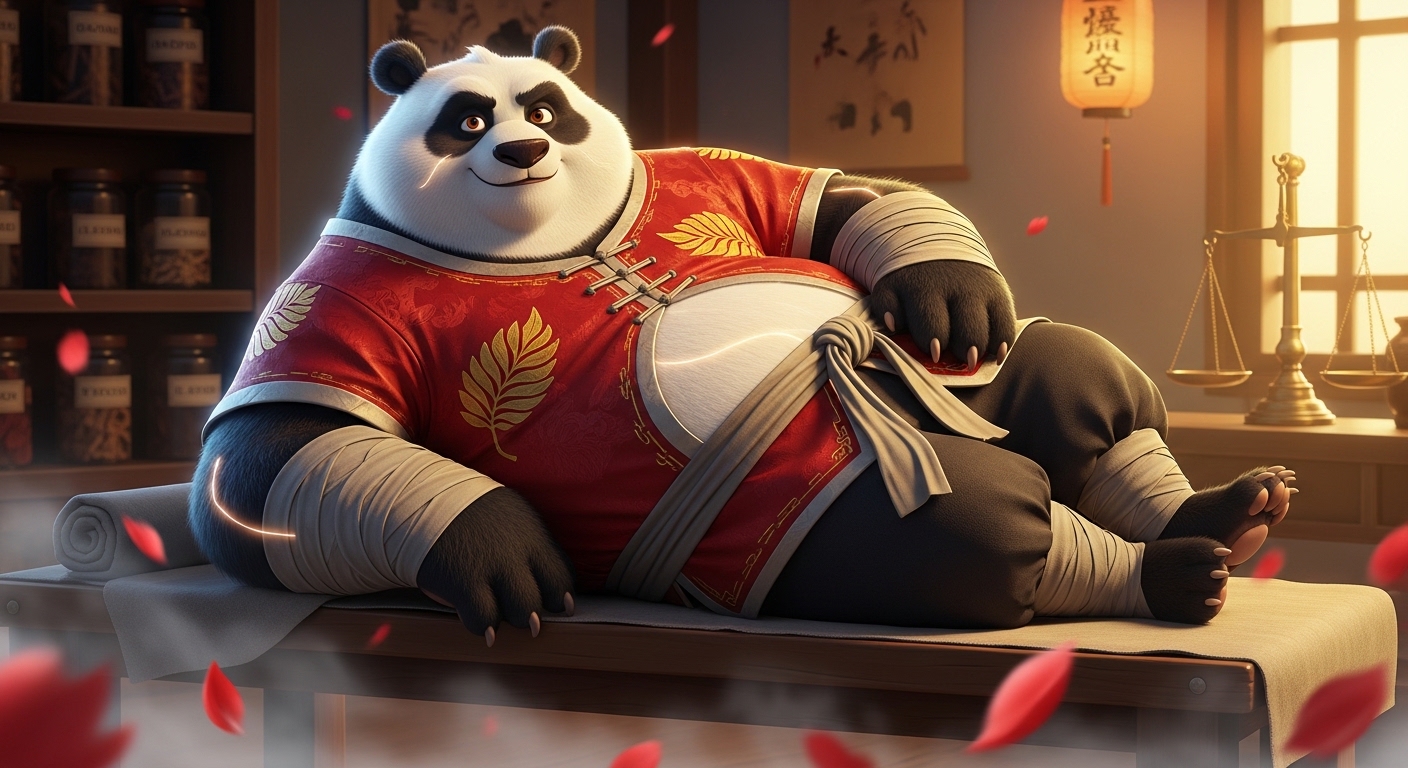
    In traditional Chinese medicine, emotions are not abstract mental events. They are physical energies, each associated with a specific organ system. Anger lives in the liver. Grief in the lungs. Worry in the spleen. Fear in the kidneys. Joy, in excess, strains the heart. This sounds foreign to the Western ear, which has been trained to put feelings firmly inside the head. But the TCM map is two thousand years old, is still used clinically, and modern somatic research is quietly corroborating many of its observations.

    Why the Map Still Works

    The key insight is that emotions are not just cognitive — they are endocrine, neurological, and muscular events. Chronic anger shows up in the body as elevated inflammation, altered digestion, shallow breath. Chronic grief shows up as shoulder tension, shallow breath, and compromised immune function. TCM named these patterns organ by organ and developed interventions — acupuncture, herbs, movement practices — that addressed the body and the emotion as one system. Western medicine is, slowly, rediscovering what these healers already knew.

    How to Use the Map Today

    You do not need to be diagnosed by a TCM practitioner to benefit from the framework. Notice: when you are stressed, where does your body hold it? The neck? The lower back? The stomach? That location is information. Stretch, massage, breathe into the area. Use the language of the organ: if your lower back is tight, ask what you are afraid of. If your upper chest is tight, ask what you are grieving. The body was holding the emotion before your mind named it. Give your body a voice in the conversation.

    The Bigger Picture

    The deepest lesson of TCM is that there is no separation between emotional and physical health. You cannot meditate your way out of a chronically tense body, and you cannot exercise your way out of a chronically distressed mind. Both must be addressed, and in the old map they were always addressed together. Borrow the framework. Treat the body and the emotion as one system, because they are. The old masters were right about more things than the modern world is willing to admit.

    This article is offered for reflection and self-study. The Way is walked, not read — take what resonates, test it in your own practice, and leave the rest.
  • The Legend of the Hidden Sword Master of Wudang Mountain

    The Legend of the Hidden Sword Master of Wudang Mountain

    A thousand-year-old story about a master who refused all students until one showed up with the right question — and what it means for you.

    The Legend

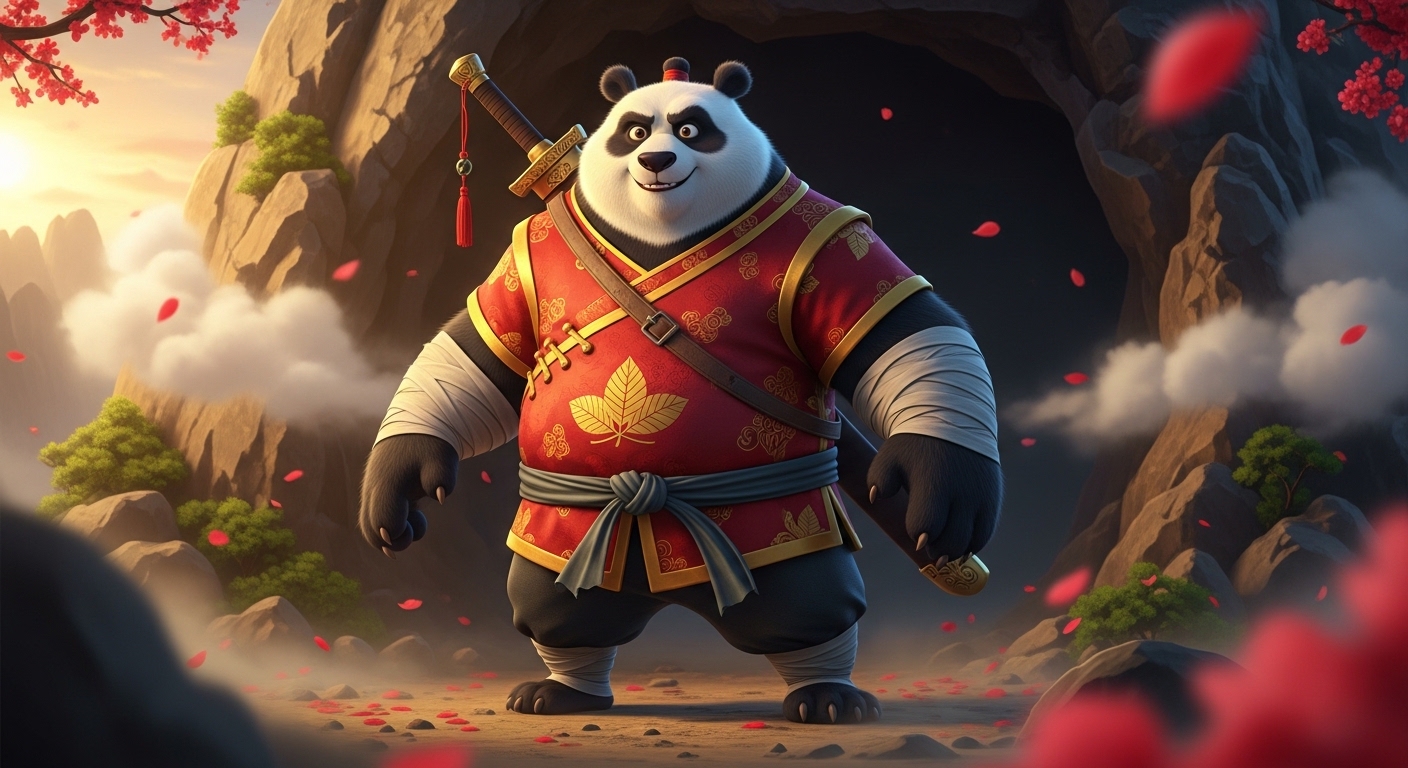
    Wudang Mountain, in Hubei province, is one of the holiest sites in Chinese Taoism and the legendary birthplace of internal martial arts. The story is this: a great sword master lived alone in a cave on Wudang, and for decades he refused every student who climbed the mountain to ask for teaching. Hundreds came. Hundreds left. Then one day a young woman arrived, sat quietly at the mouth of the cave, and asked nothing. She stayed three days. On the fourth, the master spoke. She became his only student. The lesson is in why.

    What She Did That the Others Did Not

    Every previous student had arrived with a demand. Teach me. Show me. Test me. She arrived with a presence. She made herself available without making herself desperate. She waited without performing waiting. A true master is not moved by the intensity of your want; they are moved by the quality of your attention. The master on Wudang was not being cruel to the others. He was filtering for the one capacity he could not teach — the willingness to be present without needing anything to happen.

    The Mentor You Actually Want

    Most people seeking mentorship are secretly seeking validation. They want to be told they are ready, gifted, special. A true mentor will not give you that, and in fact will make you work through your need for it. The students who get the real teaching are the ones who have already done enough inner work to not require reassurance. They arrive with questions, not requests. They stay when it is uninteresting. They do the boring parts. That is the signal a master is scanning for, and it is rare.

    How to Become That Student

    Before you go looking for a teacher, practice this: for thirty days, study one thing entirely on your own. Read the classics. Do the drills. Journal the questions. Do not post about it, do not complain, do not seek praise. Just do the work. At the end of the thirty days, if you still want a teacher, you will be a different kind of seeker. You will have something to offer the encounter. And the teacher — whoever they are — will notice. The sword master is not hiding. He is waiting for a question that is earned.

    This article is offered for reflection and self-study. The Way is walked, not read — take what resonates, test it in your own practice, and leave the rest.
  • Ink, Brush, Breath: The Meditative Path of Chinese Calligraphy

    Ink, Brush, Breath: The Meditative Path of Chinese Calligraphy

    Calligraphy in the Chinese tradition is not handwriting — it is meditation with a brush, and one of the clearest mirrors of your inner state.

    The Practice and What It Really Is

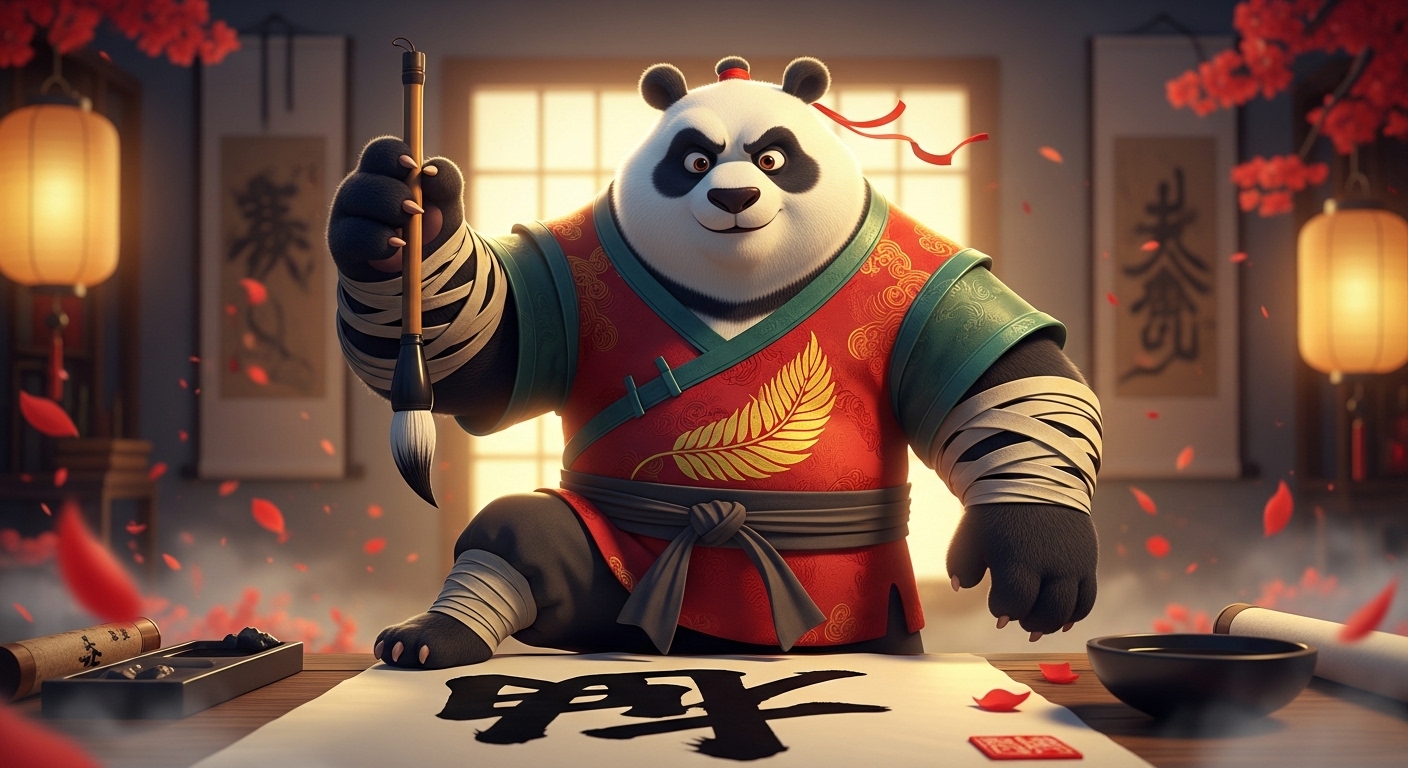
    Chinese calligraphy is often mistaken for decorative writing. It is not. It is one of the most demanding contemplative disciplines in the tradition — a full-body practice in which every stroke of the brush carries the condition of the calligrapher at the moment of its making. A shaky hand shows a shaky mind. A rushed exhale shows a rushed thought. The paper is a diagnostic of your inner state, and that is precisely why the masters used it for self-study, not just for artistic output.

    Why the Brush Is So Revealing

    Unlike a pen, a brush has no forgiveness. Every variation in pressure, angle, speed, and breath registers on the page. You cannot fake it. A master’s stroke is not decorative — it is the clean externalization of a mind that has been trained to land fully in the present moment, on command. Thirty minutes of serious calligraphy practice will show you more about your current state of attention than an hour of conversation or a whole day of scrolling. The brush does not lie.

    How to Begin Without Buying Anything

    You do not need traditional materials to start. A simple water brush and a blank pad are enough, or even a pencil held lightly with a full breath. Choose one character, one word, or one line. Draw it slowly, breathing deliberately with each stroke. Notice the moments your hand wants to speed up; those are the moments your mind is escaping the present. Slow back down. Finish the stroke. Over weeks, your hand and mind will begin to sync. That synchronization is the real prize, not the calligraphy.

    The Lesson for Everything You Do

    Calligraphy is a metaphor as much as a practice. Every action you take during the day is a brush stroke on the paper of your life. Rushed strokes accumulate. Distracted strokes compound. Full, present strokes build something legible and beautiful over time. You will not become a master calligrapher in a month. But you will, if you sit with the brush even briefly, stop being able to ignore the quality of your own attention. That is a door the masters opened for you a long time ago.

    This article is offered for reflection and self-study. The Way is walked, not read — take what resonates, test it in your own practice, and leave the rest.
  • The Lantern Festival and What It Teaches About Letting Go

    The Lantern Festival and What It Teaches About Letting Go

    A two-thousand-year-old festival about light, release, and the old wisdom of putting something down so something else can begin.

    The Festival Itself

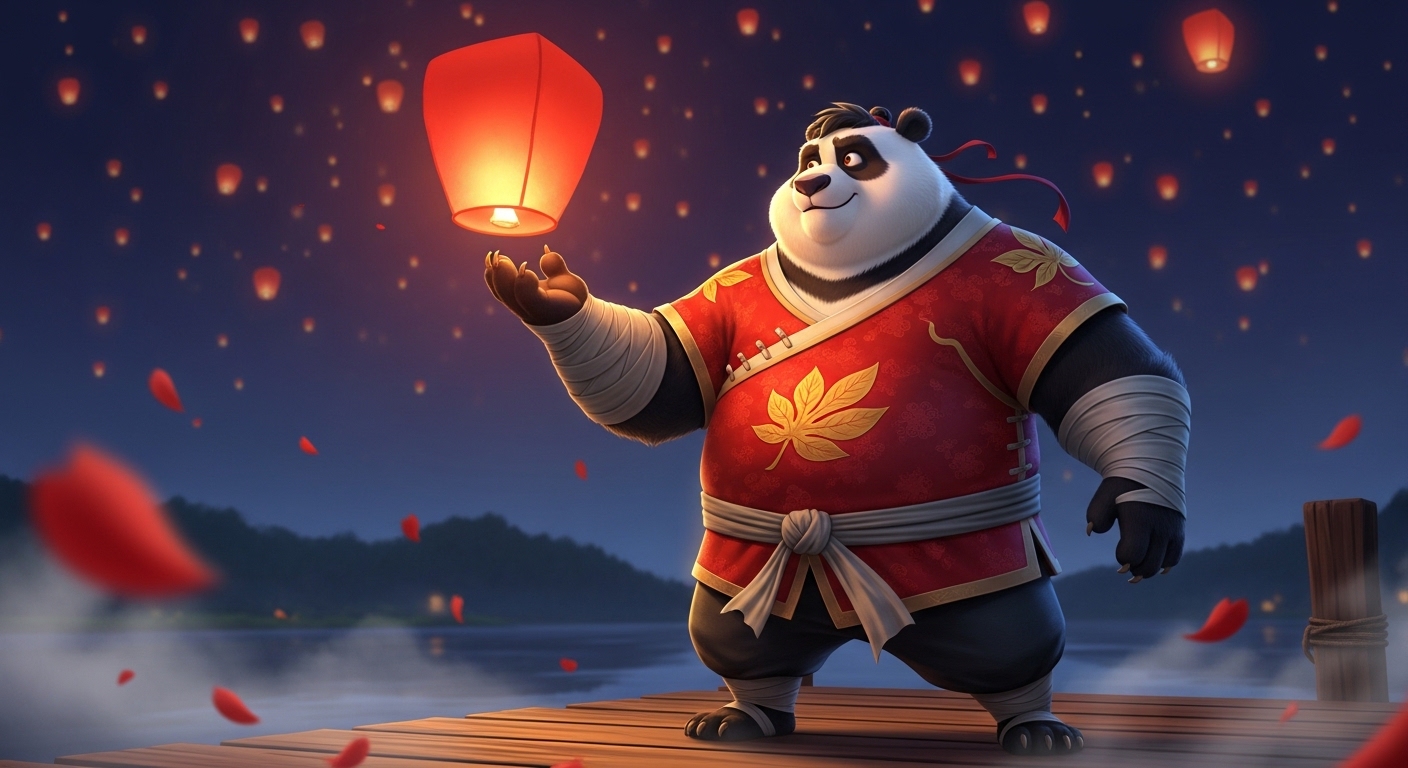
    The Lantern Festival marks the fifteenth day of the first lunar month, the end of the Chinese New Year period. Lanterns of every size are hung along streets and released into skies and rivers. Riddles are solved. Sweet rice dumplings are eaten. It looks like a celebration — and it is — but underneath the color is a much older ceremony: the formal closing of the previous year. You let the lantern go. You let what was, be finished. The festival is a culture-wide exercise in clean endings.

    Why Clean Endings Matter

    Most modern lives do not have clean endings. Projects trail into other projects. Relationships fade rather than finish. Years blur together. The nervous system, without ceremony, treats nothing as truly complete, and therefore nothing as truly beginning. This is why so many people feel low-grade exhausted without being able to name the cause. You are carrying every unfinished thing. A lantern festival, large or small, is a mechanism for formally releasing what is no longer yours to hold.

    How to Create Your Own

    You do not need to be in China on the correct lunar date. Choose a moment that matters to you — the end of a year, a project, a season. Write down what you are releasing. Burn the paper, or release it down a river, or float it in a lantern if you can. The ritual form is less important than the fact that you are performing one at all. The mind needs a formal event to mark a closure; otherwise, it keeps the file open indefinitely. Give it the event, and it can finally move on.

    The Deeper Wisdom

    The festival’s real teaching is that holding on is not always virtue. Some things are done. The lantern going up is a way of admitting that, physically, in the presence of witnesses. You will find, if you build this into your life even once a year, that the following season begins with a lightness you had forgotten was possible. Let it go. The light rises. The year begins. This is how cultures older than yours have always known to carry life without being crushed by its accumulation.

    This article is offered for reflection and self-study. The Way is walked, not read — take what resonates, test it in your own practice, and leave the rest.
  • Tea Ceremony: Why Warriors Drank Before They Fought

    Tea Ceremony: Why Warriors Drank Before They Fought

    The link between tea and combat is older and deeper than most people realize — and the ritual still has something to teach us today.

    The Surprising Connection

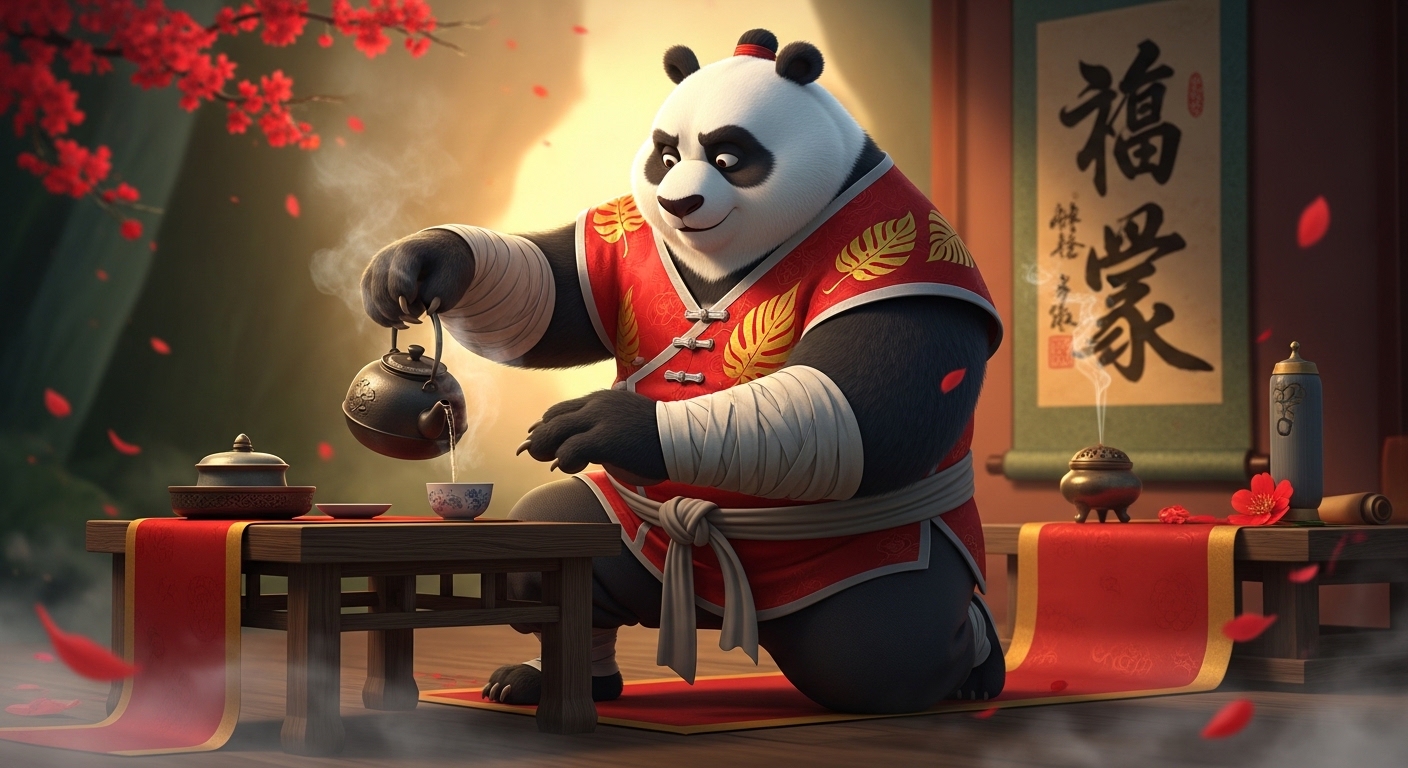
    Tea ceremony looks, to outsiders, like the opposite of combat. Slow. Precise. Decorative. But both Chinese martial schools and Japanese samurai culture treated tea ceremony as essential training for warriors. The link was not superstition. It was a recognition that the state of mind you cultivate before a fight is the state of mind that fights. Tea ceremony was a meticulous, twenty-minute drill in focused attention, performed under social observation, with small consequences for small errors. It was combat preparation disguised as hospitality.

    What the Ritual Actually Trains

    Every step of the ceremony — the cleaning of the bowl, the measuring of the leaves, the pouring of the water, the offering of the cup — has specific, precise motions that must be executed without hurry and without wasted movement. This is the same quality a warrior needs in the moment of engagement. Economy. Presence. The absence of extra. A practitioner who can perform a tea ceremony cleanly has demonstrated a kind of attentional control that transfers, very directly, into the moment when a blade is drawn.

    The Modern Application

    You do not need tea to practice this. Pick one small, repeatable daily ritual — making coffee, folding a shirt, preparing dinner — and turn it into a ceremony. No phone. No radio. No multitasking. Full attention to every micro-movement. Fifteen minutes is enough. What you are training is not the ritual; it is the capacity to be fully present while doing something ordinary. That capacity then shows up in the moments that matter. The warrior’s tea is the entry drill for the warrior’s focus.

    Why Small Rituals Matter

    Modern life aggressively opposes rituals. Everything is optimized, sped up, multitasked into a blur. To cultivate a single daily act of deliberate slowness is a quiet rebellion, and it produces effects far beyond its obvious footprint. You become someone who can land, on command, in the present moment. That is a warrior’s skill whether or not you ever face combat. The tea is not the point. The attention it teaches is. Keep one ritual sacred. The rest of your life will organize itself around that one still point.

    This article is offered for reflection and self-study. The Way is walked, not read — take what resonates, test it in your own practice, and leave the rest.

  • Inside the Shaolin Temple: Where Kung Fu Was Forged

    Inside the Shaolin Temple: Where Kung Fu Was Forged

    A brief history of the temple that shaped an entire martial tradition — and what we can still learn from its founding vision today.

    The Founding Story

    The Shaolin Temple sits on Mount Song in Henan province, China, and it has been continuously occupied by Buddhist monks since the late fifth century. The legend credits Bodhidharma, an Indian monk, with arriving at the temple around 520 CE and finding the monks physically too weak to sustain long meditation. He introduced movement disciplines to strengthen them. Over centuries, those disciplines braided with local fighting traditions and produced what the world would later call Shaolin kung fu. The monastery was a meditation hall first, and a martial school second.

    The Real Genius of the Institution

    What made Shaolin extraordinary was not the techniques — techniques can be found anywhere. It was the integration. The monks trained martial skill inside a spiritual container. Violence was studied as a discipline, not a habit; strength was cultivated in service of stillness, not dominance. A Shaolin-trained monk could fight a bandit in the morning and sit in meditation by evening, and the two activities were not in contradiction. That integration is the temple’s real legacy, and it is rarer than most people think.

    What Survived and What Did Not

    The temple was attacked, rebuilt, razed, and restored many times over the centuries. Some lineages were lost. Some have been partially reconstructed. Today’s Shaolin is a mix of living tradition, tourism, and careful historical curation. If you visit, you will find both — authentic practitioners still doing the hard work, and performances for visitors. Both are true. Both are part of how old institutions actually survive. The question for you, practicing in your own life, is which part of your practice is performance and which part is still the real work.

    The Lesson for Your Own Practice

    You do not need to travel to Henan. The Shaolin idea — that body discipline and inner work can be the same project — is portable. Whatever martial art, exercise, or physical practice you do, ask yourself: is this training me as a complete human, or only as a body? If the answer is only the body, you have not yet arrived at what the Shaolin monks built. Integrate. The temple is a posture of life, and you can begin building yours today.

    This article is offered for reflection and self-study. The Way is walked, not read — take what resonates, test it in your own practice, and leave the rest.
  • The Five Elements: Wood, Fire, Earth, Metal, Water — and You

    The Five Elements: Wood, Fire, Earth, Metal, Water — and You

    A framework as old as Chinese philosophy itself — and a surprisingly practical lens for understanding your own seasons, moods, and cycles.

    The Original System

    Long before MBTI, Enneagram, or personality quadrants, the Chinese thinkers used a framework called Wu Xing — the Five Elements. Wood, Fire, Earth, Metal, Water. It was never only about nature. It was a typology of energies, seasons, organs, emotions, and states of becoming. The genius of the system is that it is not static. Every element generates another, and every element constrains another. Nothing is fixed. You are not one element. You are a weather pattern across all five, and the pattern shifts.

    What Each Element Carries

    Wood is growth, direction, the thrust upward of spring. Fire is expansion, joy, visibility, the height of summer. Earth is centering, nourishment, the pivot between seasons. Metal is refinement, cutting, the letting-go of autumn. Water is depth, stillness, wisdom, the pause of winter. Each has a shadow — wood as anger, fire as mania, earth as worry, metal as grief, water as fear. The shadows are not flaws. They are the same energy, compressed.

    Diagnosing Your Current State

    Sit quietly and ask yourself: which element is dominant in me right now? Which is missing? If you are stuck, pushing without result — you may be all wood, starving for water’s patience. If you are burnt out — too much fire, in need of earth’s steadiness. If you are numb — too much metal, needing wood’s spring. This is not mysticism; it is a vocabulary. Naming your current pattern gives you options. Unnamed, it drives you. Named, it becomes material you can work with.

    How to Use It This Week

    Pick the element your life feels most short on this season. Then do one thing that invites it in. Short on water? Sleep earlier, read something slow. Short on wood? Start one new project you have been delaying. Short on earth? Cook for someone. Short on metal? Throw out something you no longer need. Short on fire? Spend time with someone who energizes you. The system is old because it keeps working. That is the only test worth caring about.

    This article is offered for reflection and self-study. The Way is walked, not read — take what resonates, test it in your own practice, and leave the rest.
  • When Your Mind Is a Battlefield, Surrender Is the Sharpest Sword

    When Your Mind Is a Battlefield, Surrender Is the Sharpest Sword

    Every warrior eventually learns that the fight against the mind cannot be won by fighting — and the counter-intuitive path that actually works.

    The Fight You Cannot Win by Fighting

    Most meditators begin the same way. They notice a distracting thought, they try to push it away, a new one arrives, they push again, a third one arrives, and within thirty seconds they are exhausted and convinced they are failing. This is the fight against the mind, and it is unwinnable — because the fighter and the fought are the same thing. Every push produces a reciprocal pull. The more you struggle, the deeper you tangle. The old masters saw this problem millennia ago and found a different door.

    The Door That Opens the Other Way

    The door is surrender. Not giving up — surrender. You stop trying to make the thoughts leave. You allow them. You watch them arrive, dwell, and dissolve, without intervening. To the ego, this looks like losing. It is actually the sharpest move available. Thoughts, denied the resistance they feed on, run out of energy faster than you can fight them. You have traded a losing war for a winning peace, and the prize is a mind that is finally quiet without having been forced.

    How to Practice

    Next time you sit, try this. Instead of returning to the breath the moment a thought arises, say quietly to yourself: ‘welcome.’ Let the thought speak. Do not argue. Do not agree. Just listen. Notice that it gets bored within seconds and evaporates. The mind is not your enemy. It is a child asking to be acknowledged, and once acknowledged, it usually walks off. Surrender is, paradoxically, the technique that the advanced student arrives at after years of trying everything more dramatic.

    The Life Application

    This lesson extends beyond meditation. The emotion you cannot outrun. The grief you cannot out-work. The self-criticism you cannot silence. Each of them responds to the same inversion. Welcome the thing. Let it speak. Do not fight. You will find, as every old master eventually found, that what you stop fighting often stops fighting you. Surrender is not a white flag. It is the sharpest sword, and it is in your hand the whole time.

    This article is offered for reflection and self-study. The Way is walked, not read — take what resonates, test it in your own practice, and leave the rest.
  • The Moon-Gazing Ritual for Clearing a Cluttered Mind

    The Moon-Gazing Ritual for Clearing a Cluttered Mind

    An old contemplative practice used by Chinese poets and monks — simple, seasonal, and surprisingly effective on cluttered modern brains.

    The Practice in One Sentence

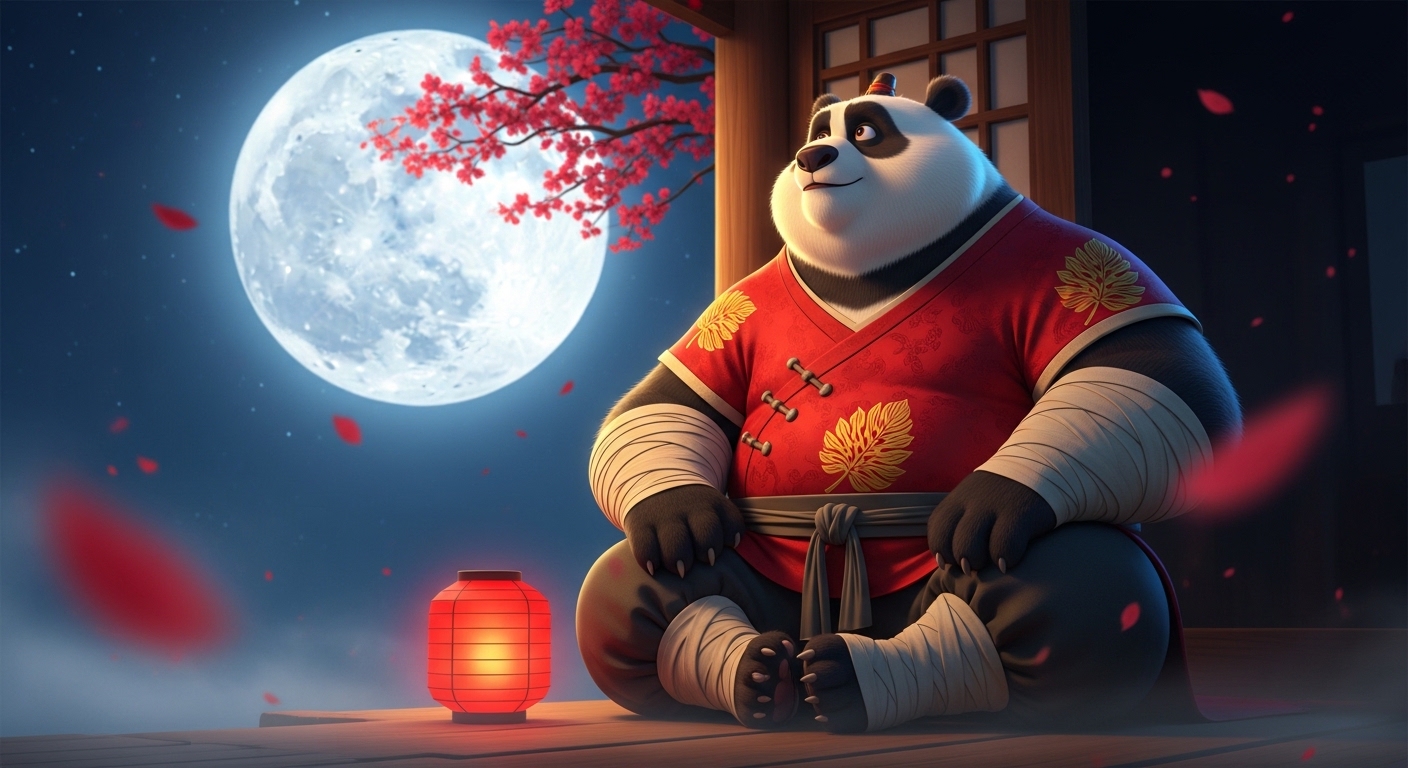
    You go outside on a night when the moon is visible. You sit, or stand, or lie down. You look at the moon — really look — for fifteen minutes, without your phone, without narration, without attempting anything. That is the whole practice, and it has been done under that same moon, by people very much like you, for at least two thousand years of continuous record.

    Why Moonlight Specifically

    The physiological answer is that moonlight is dim enough that your pupils dilate and your nervous system shifts into a quieter register than daylight allows. The psychological answer is that the moon is vast, silent, and not asking you to do anything — rare qualities in the modern visual field. The cultural answer is that the moon has been humanity’s most reliable companion for most of history, and nightly attention to it was once the default, not the rarity.

    What It Does to You

    The first time, you may feel mildly bored or mildly silly. The second or third, something shifts. Your mind, denied the usual evening stimulation, begins to unspool. Thoughts you did not realize you were holding surface and pass. You notice the quality of the air, the sound of your own breath, the faint movement of clouds. None of this is dramatic. All of it is recalibrating. You are, gently, being reminded that you are an animal in a landscape, not a user in an interface.

    How to Begin

    Check when the moon rises tonight. If it is visible from anywhere you can sit, go there. Fifteen minutes is enough. Do this weekly, not daily — let it remain a small ceremony rather than becoming another chore. Over months, you will begin to mark time by moons rather than meetings, and that alone will change something about how your mind lands in the world. The moon is free. It is showing up tonight whether you meet it or not.

    This article is offered for reflection and self-study. The Way is walked, not read — take what resonates, test it in your own practice, and leave the rest.

  • Sitting in Stillness: Why Doing Nothing Is the Hardest Practice

    Sitting in Stillness: Why Doing Nothing Is the Hardest Practice

    Everyone thinks they want to do nothing. Ten minutes of real nothing, and most people will beg for a task. Why stillness is the final frontier.

    The Illusion of Laziness

    When people say they want to ‘do nothing,’ they almost always mean they want to do something pleasant and easy — lie on a couch with a phone, drift through a Sunday. That is not doing nothing. That is consuming gently. Real doing nothing — sitting with your back straight, eyes closed, no input, no task, no media — is a discipline so demanding that most adults in the modern world have never done it for more than a minute at a time. It is the hardest practice there is.

    Why It Is So Difficult

    The mind did not evolve to be still. It evolved to scan, categorize, predict. Asking it to do nothing is asking a predator to lie down next to its dinner. The resistance you feel in the first five minutes is not a character flaw. It is your nervous system protesting a condition it was not designed for. Naming that makes it easier to stay. You are not doing it wrong. You are doing exactly what every person in history has done the first time they tried.

    The Reward on the Other Side

    If you keep showing up — ten minutes, daily, for weeks — a second phase begins. The resistance does not disappear, but it gets quieter. You begin to land, briefly, in moments of actual stillness. These moments are not fireworks. They are small, almost anticlimactic, and very quietly addictive. You realize, for perhaps the first time, that your baseline state is not the busy one. The busy one is what you have been doing. The still one is what you have been.

    A Promise You Can Keep

    Do not commit to an hour. Commit to ten minutes, first thing, before the phone. Sit upright somewhere comfortable. Close your eyes. Do not meditate — do not follow the breath or chant or count. Just sit. When the urge comes to get up, notice it and do not act on it. When the timer ends, get up calmly. Over a month, this quietly rearranges your relationship with your own mind, and there is no other intervention that can produce that result for free.

    This article is offered for reflection and self-study. The Way is walked, not read — take what resonates, test it in your own practice, and leave the rest.