
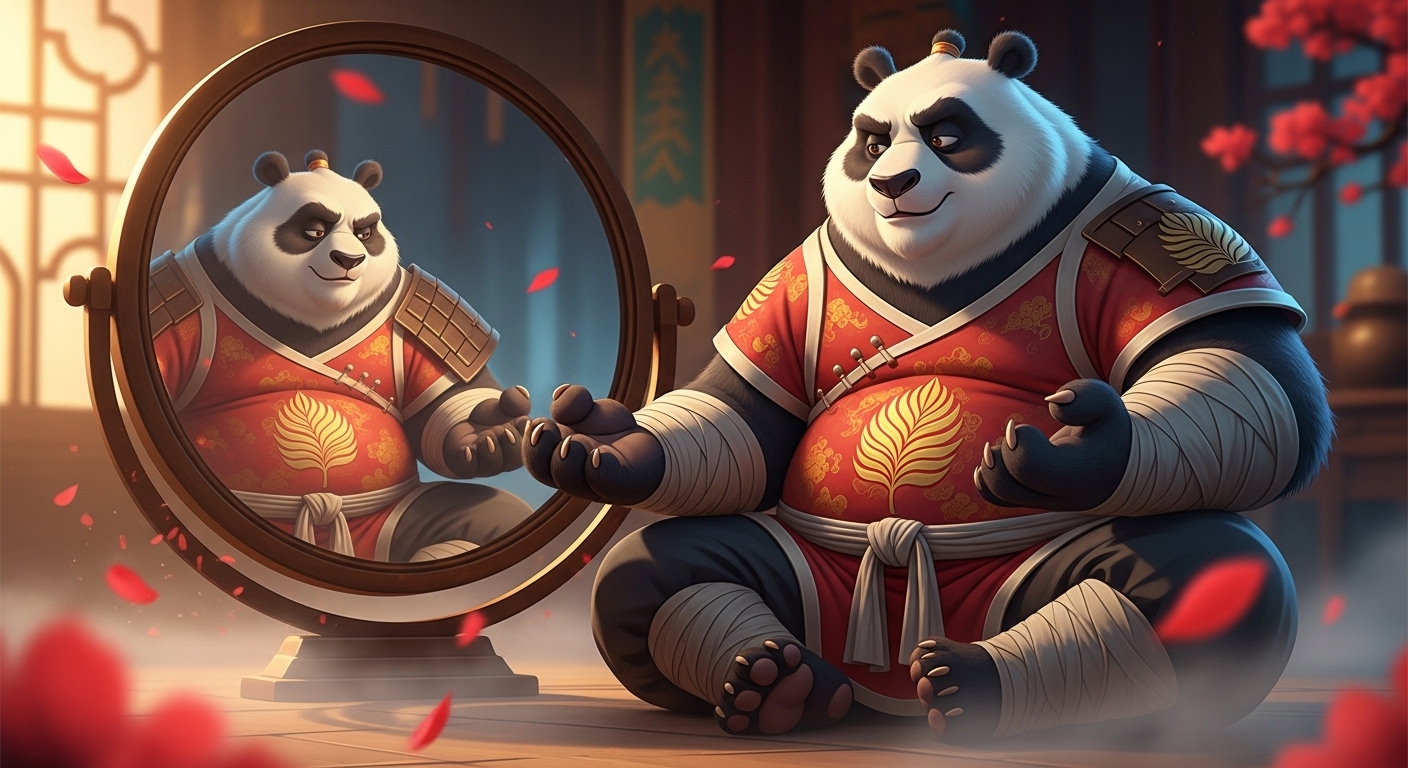
The biggest obstacle to your progress is not your body, your schedule, or your teacher — it is the part of you that needs to already be good.
The Real Opponent
New students think their opponent is the person across the mat. Intermediate students think their opponent is their own body — the limited flexibility, stamina, timing. Advanced students eventually discover the real opponent, and it is humbling: the ego. The part of them that wants to skip the boring drills, that resents correction, that secretly wants the teacher to notice how advanced they already are. Until the ego is met and worked with, progress hits ceilings that no additional training can break through. The real work is internal.
How Ego Hides Itself
The sophisticated practitioner’s ego does not look loud. It looks humble, controlled, even disciplined. But it is still there, in subtle forms. The competitive comparison to lower-level students. The mild irritation when corrected. The small victory feeling when another practitioner fails. The secret belief that you are the exception to some general rule. Each of these is ego, wearing dignity as a disguise. The first task is simply to start noticing. Naming it privately, repeatedly, is half the work. The ego hates being noticed.
The Practices That Help
One: regularly train with people better than you, not to win but to be corrected. The humility dose is part of the training. Two: teach beginners occasionally. It reconnects you with the beginner’s mind you have been forgetting. Three: take one thing you are good at and deliberately practice it badly, to remember what failure feels like. Four: sit in meditation long enough that the ego cannot sustain its usual stories. All of these are ego-reduction drills, and without them your technical skill will eventually plateau and stay there.
What Awaits on the Other Side
The student who eventually meets their ego and continues to work with it — not defeat it, which is impossible, but integrate it — becomes a different kind of practitioner. Quieter. More accurate. Harder to rattle. Not free of ego, because no one is, but no longer driven by it. That is what mastery actually looks like from the inside. Not the absence of the small self, but the ability to put it down whenever skill requires it. That ability is the prize, and it is not purchasable. It is earned, one small humiliation gracefully received at a time.
This article is offered for reflection and self-study. The Way is walked, not read — take what resonates, test it in your own practice, and leave the rest.
Leave a Reply