
Tag: wisdom

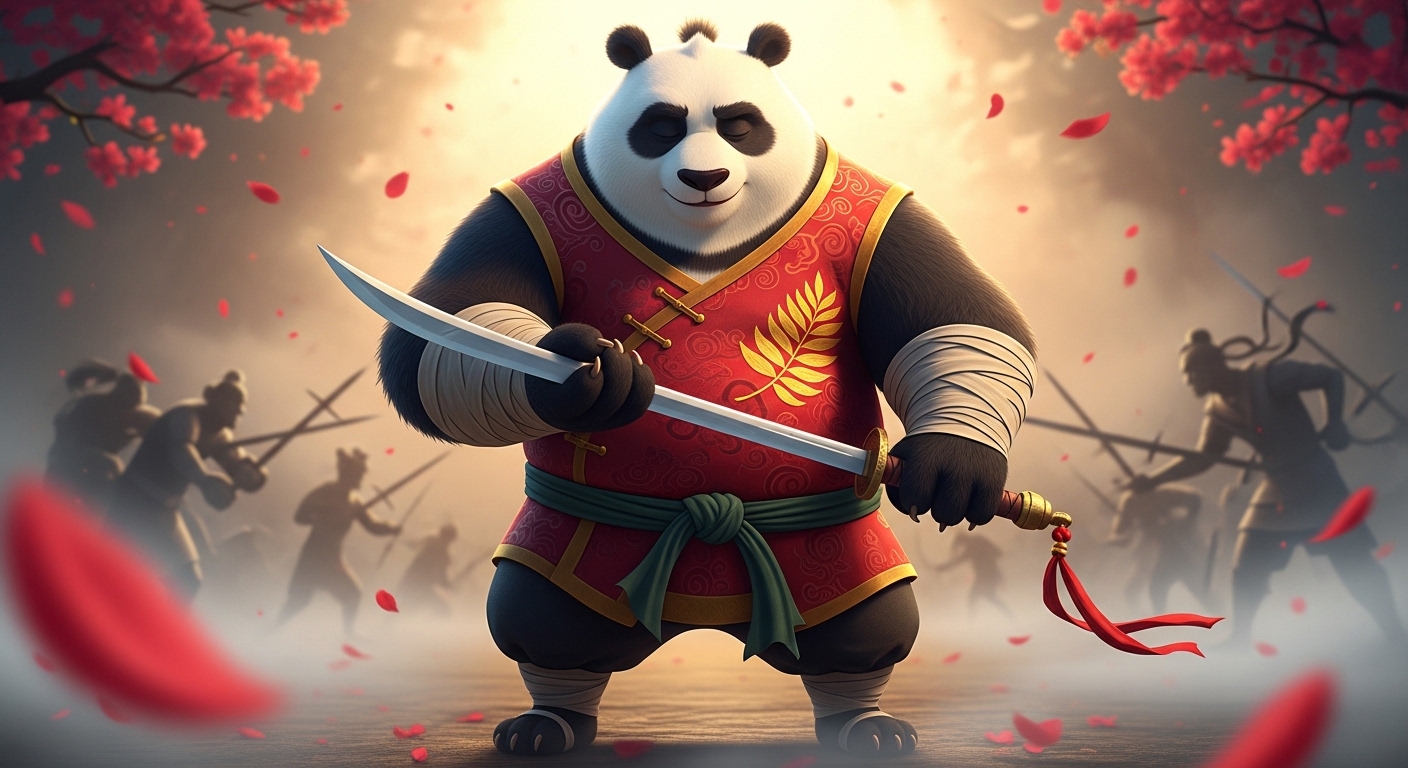
  • When Your Mind Is a Battlefield, Surrender Is the Sharpest Sword

    When Your Mind Is a Battlefield, Surrender Is the Sharpest Sword

    Every warrior eventually learns that the fight against the mind cannot be won by fighting — and the counter-intuitive path that actually works.

    The Fight You Cannot Win by Fighting

    Most meditators begin the same way. They notice a distracting thought, they try to push it away, a new one arrives, they push again, a third one arrives, and within thirty seconds they are exhausted and convinced they are failing. This is the fight against the mind, and it is unwinnable — because the fighter and the fought are the same thing. Every push produces a reciprocal pull. The more you struggle, the deeper you tangle. The old masters saw this problem millennia ago and found a different door.

    The Door That Opens the Other Way

    The door is surrender. Not giving up — surrender. You stop trying to make the thoughts leave. You allow them. You watch them arrive, dwell, and dissolve, without intervening. To the ego, this looks like losing. It is actually the sharpest move available. Thoughts, denied the resistance they feed on, run out of energy faster than you can fight them. You have traded a losing war for a winning peace, and the prize is a mind that is finally quiet without having been forced.

    How to Practice

    Next time you sit, try this. Instead of returning to the breath the moment a thought arises, say quietly to yourself: ‘welcome.’ Let the thought speak. Do not argue. Do not agree. Just listen. Notice that it gets bored within seconds and evaporates. The mind is not your enemy. It is a child asking to be acknowledged, and once acknowledged, it usually walks off. Surrender is, paradoxically, the technique that the advanced student arrives at after years of trying everything more dramatic.

    The Life Application

    This lesson extends beyond meditation. The emotion you cannot outrun. The grief you cannot out-work. The self-criticism you cannot silence. Each of them responds to the same inversion. Welcome the thing. Let it speak. Do not fight. You will find, as every old master eventually found, that what you stop fighting often stops fighting you. Surrender is not a white flag. It is the sharpest sword, and it is in your hand the whole time.

    This article is offered for reflection and self-study. The Way is walked, not read — take what resonates, test it in your own practice, and leave the rest.
  • Strength Without Wisdom Is Just Noise in Armor

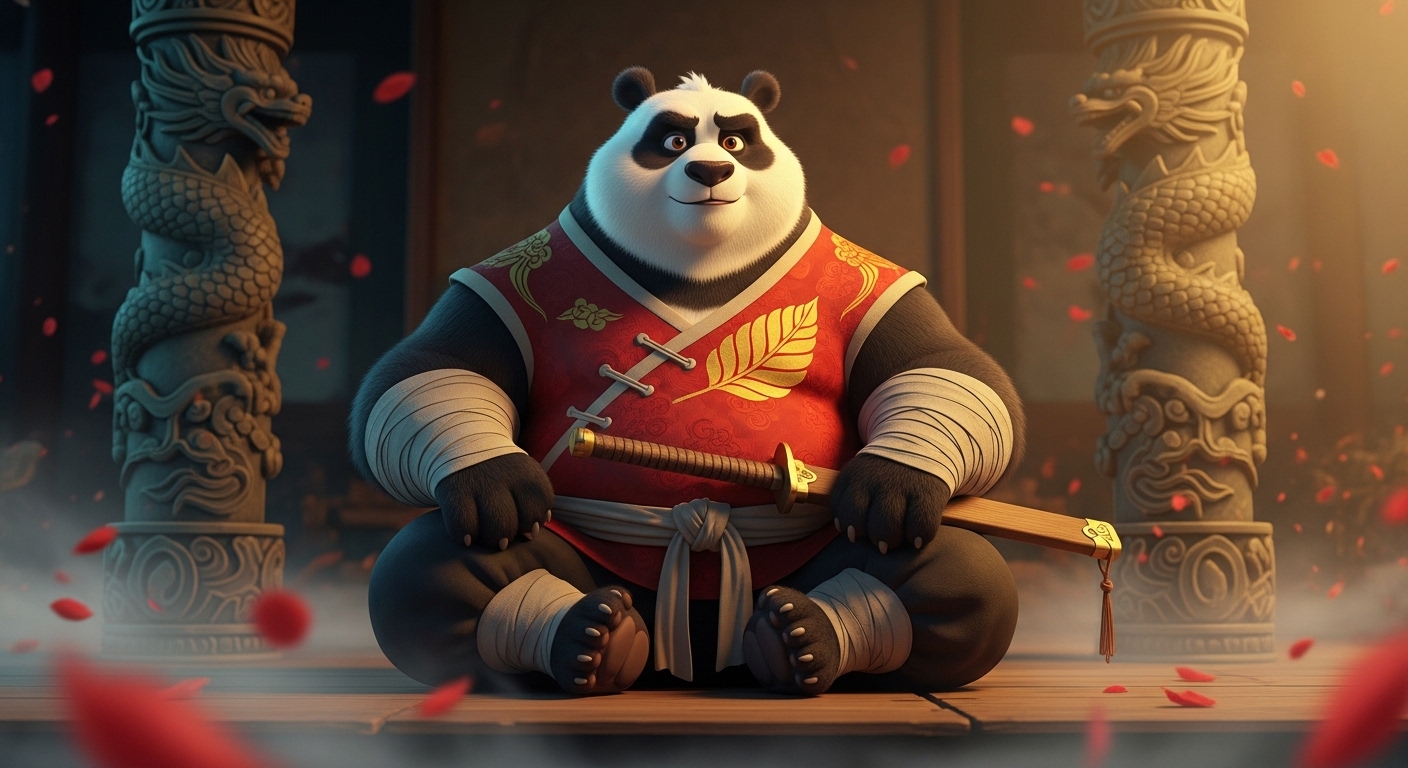
    Strength Without Wisdom Is Just Noise in Armor

    Strength is cheap; wisdom is the expensive part. Why the strongest fighter in the room is rarely the one you should actually listen to.

    The Cautionary Figure

    Every dojo has one. The student who is fast, strong, and winning their early sparring matches. They are unstoppable — for a while. Then a shift happens, usually around year three, and they plateau. The slower, quieter students begin to catch them. By year five, they are losing to people they once dismantled. They did not get weaker. They just never developed the other half. Strength, on its own, is a loud, crude instrument. Without wisdom to aim it, it eventually breaks the person carrying it.

    Why Wisdom Is the Harder Training

    Strength builds visibly. You can track weights, reps, times, wins. Wisdom is invisible and slow. It is built by losing on purpose. By being corrected. By listening when it is hard. By admitting you were wrong. None of that shows up on a leaderboard, and that is why most people skip it. But wisdom is what turns a strong fighter into a senior one. It is the difference between someone who can hurt people and someone who knows when not to.

    How to Grow the Other Half

    Seek out teachers who beat you without force. Notice how. Read outside your discipline — biographies, history, philosophy — to widen the frame you use to judge your own work. Spar with opponents far better than you, not to win but to study. Take one loss per week on purpose, in conversation, in competition, in creative work. Every voluntary loss is a wisdom deposit. The bank account grows slowly and then, one day, you notice you are the calm person in the room.

    The Mature Warrior

    The mature warrior is not the strongest person you will meet. They are often gentle, sometimes soft, occasionally almost invisible. But when the moment comes, they move with economy and accuracy, and they never need to prove anything afterward. That is what wisdom looks like when it has finally caught up with strength. Aim for that. The world has enough loud, strong people. What it needs is a few who also know what they are for.

    This article is offered for reflection and self-study. The Way is walked, not read — take what resonates, test it in your own practice, and leave the rest.

  • Inner Peace Is Not the Absence of Storm, But Stillness Within It

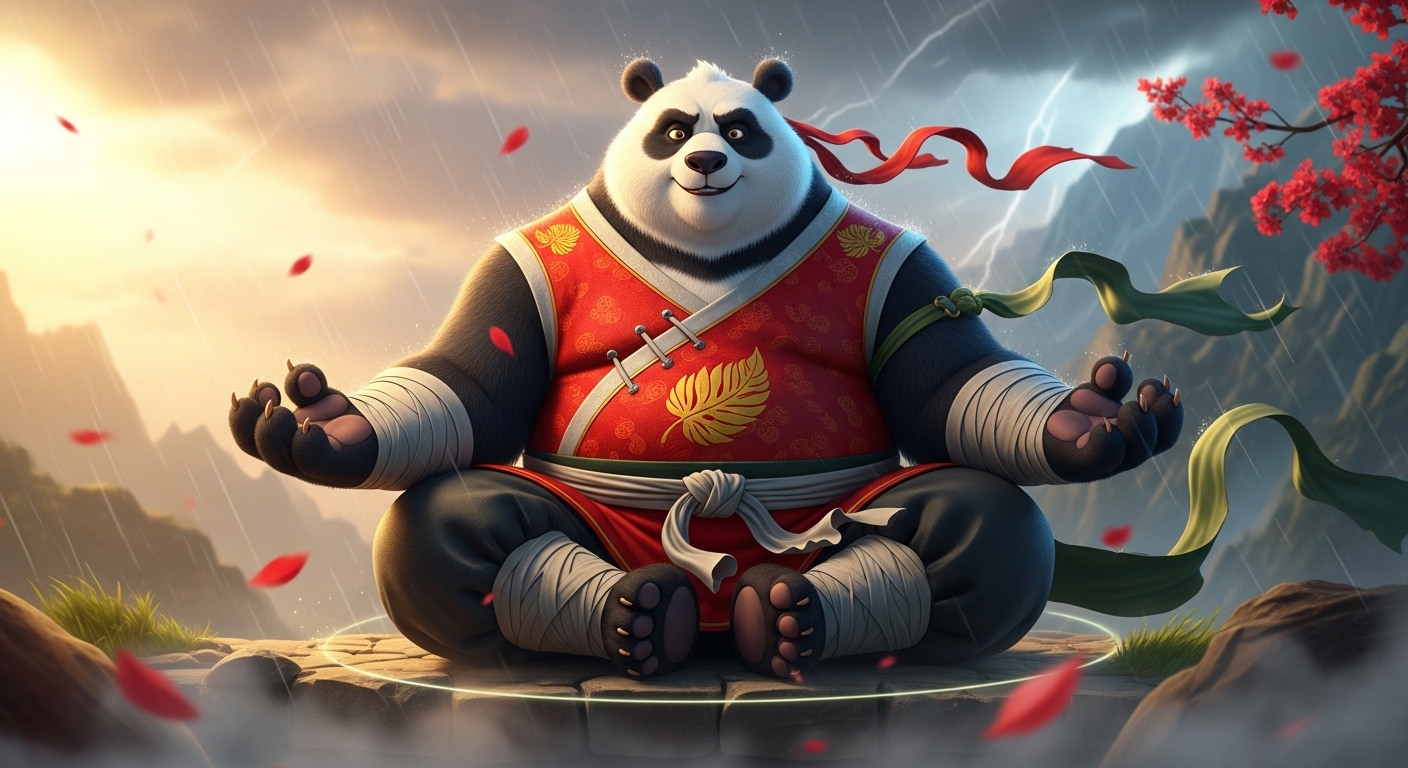
    Inner Peace Is Not the Absence of Storm, But Stillness Within It

    Real peace is not a quiet room — it is an unshakable center you carry into every loud, chaotic, demanding corner of your life.

    Rethinking What Peace Means

    Most people chase peace like a destination — a beach, a retreat, a weekend with the phone off. But the moment real life returns, the peace evaporates. This is the first great misunderstanding of the path. Peace is not the scenery around you. It is the posture within you. A master fighting for their life on a battlefield can have more peace than a tourist sunburning on a Sunday afternoon. Circumstance is the wind; peace is how deeply you have rooted.

    The Ancient Principle

    The old scrolls describe the mind as a pond. When the surface is still, every ripple is visible. When the pond itself is churning, nothing can be read. But — and this is the key — the depth of the pond never changes. The turbulence is always only on the surface. Your task is not to prevent the wind. It is to remember that you are the water underneath, not the waves on top.

    A Practice for This Week

    Each morning, before your feet touch the floor, sit up and take three slow breaths with your eyes closed. Notice — without trying to fix — whatever weather is already inside you. Tired? Anxious? Sharp? Blunt? The practice is not to change the weather. It is to become the one who can observe the weather. This tiny act, repeated, rewires your relationship with chaos.

    The Deeper Truth

    The warrior who finds peace only in silence has found half the prize. The warrior who can find it in the middle of a storm has found the whole one. Stillness is not the absence of motion. It is the stability from which all skilled motion flows. Build that center, and you will stop searching for peaceful places — you will bring peace with you.

    This article is offered for reflection and self-study. The Way is walked, not read — take what resonates, test it in your own practice, and leave the rest.