
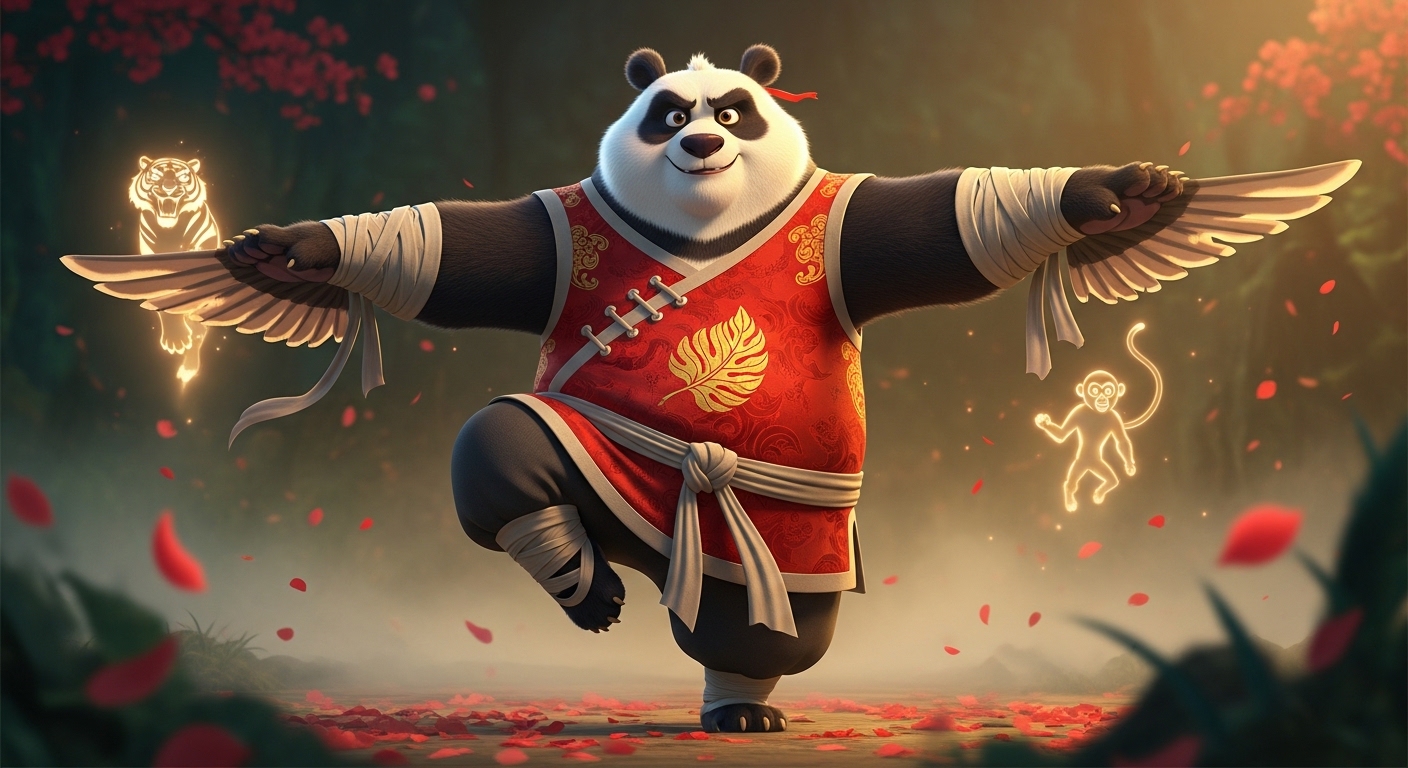
Every animal style in kung fu encodes a different psychological lesson. Pick the right one for the season of life you are actually in.
The Forgotten Function of the Animal Forms
People think the animal forms were invented for combat efficiency. That is only half true. The old masters were also psychologists, and the animals they chose encode different temperaments. A student studying crane is being trained in precision and patience. A student studying tiger is being asked to locate their aggression. A student studying monkey is learning playfulness and misdirection. The animal is the character you are being asked to temporarily become, and the character you become changes you.
What Each Animal Teaches
Crane: stillness before the strike, narrow targeting, economy of motion. For those who rush. Tiger: full commitment, low ferocity, heavy rootedness. For those who hesitate. Monkey: play, unpredictability, lightness. For those who are too rigid. Snake: yielding, flowing, precise strike through gaps. For those who meet force with force. Mantis: geometric angles, trapping, patience turned to ambush. For those who want everything linear. Each animal is a correction for a specific human flaw.
How to Use Them in Modern Practice
You do not need to train the full forms to benefit. Pick the animal whose temperament is most absent from your current life. If you are scattered, train the crane’s stillness for a week — slow movements, long eye contact, extreme economy. If you are passive, live in the tiger’s posture for a week — lower stance, fuller breath, committed voice. The animals are masks, and masks let you try on traits you would never claim directly. That is how you grow the ones you need.
Choosing Your Animal
Look at the last month of your life. What trait did you most lack? That is the animal to study next. Not forever, not as an identity — just for a season, until that dimension of you has been fed. Then rotate. The great masters were not committed to a single animal; they cycled through the menagerie their whole lives. A complete human is not one animal. It is the whole zoo, called forth when each one is needed.
This article is offered for reflection and self-study. The Way is walked, not read — take what resonates, test it in your own practice, and leave the rest.