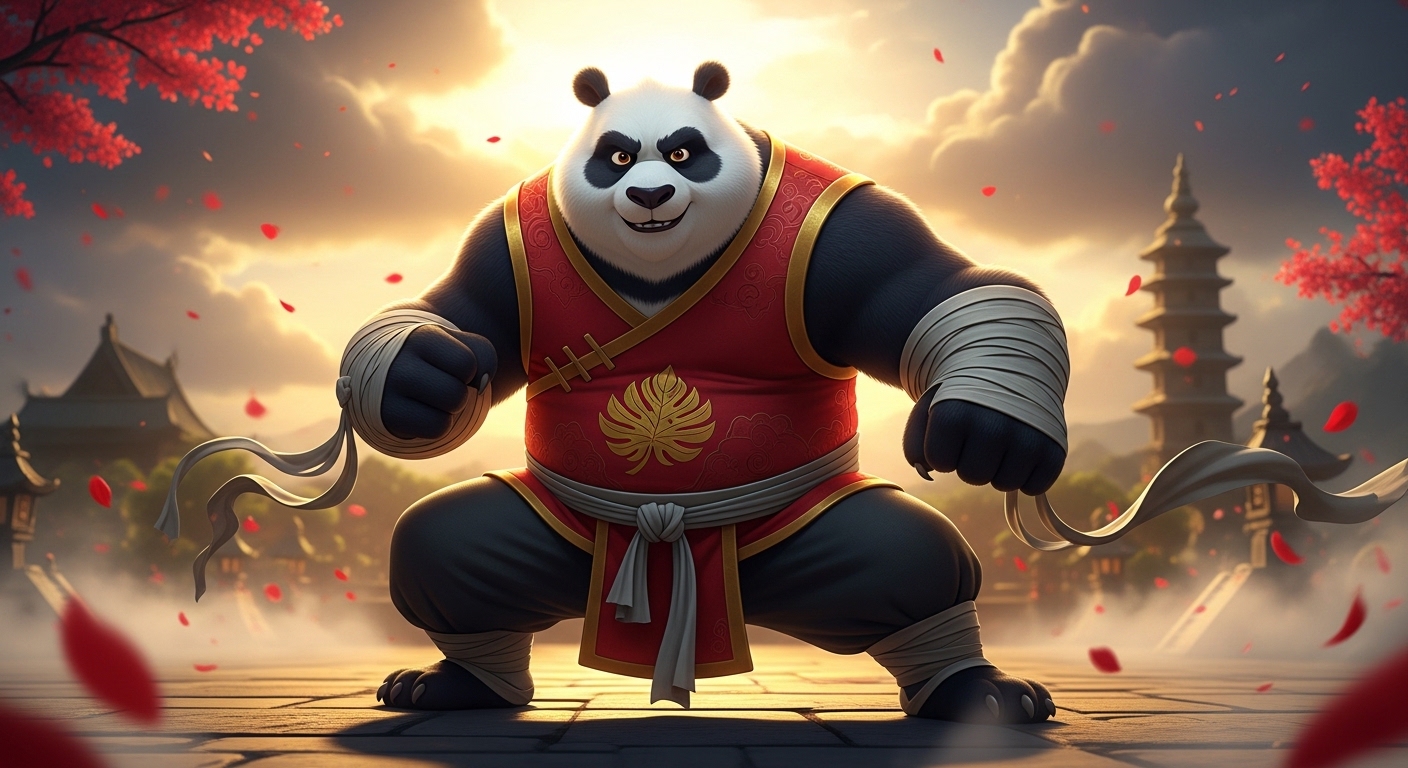
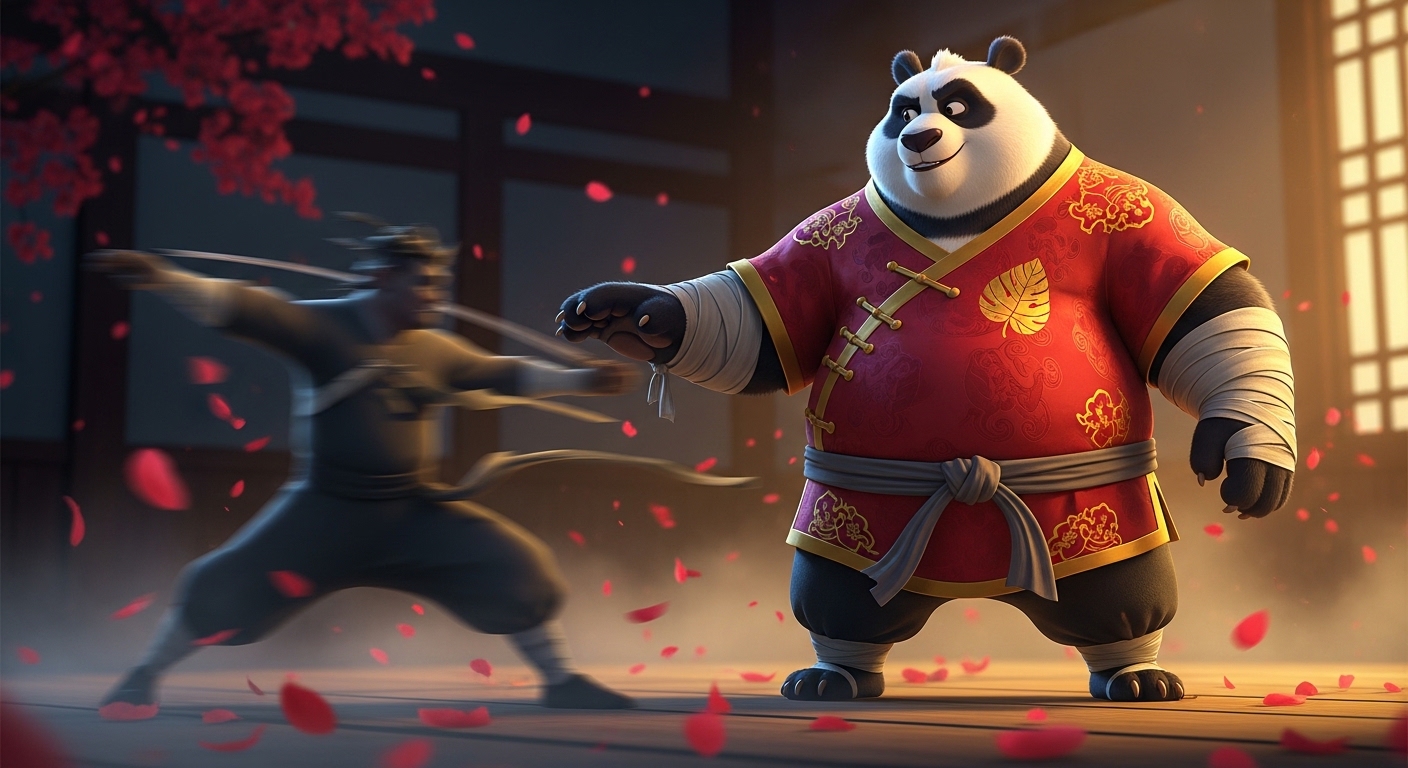
The story of the master who won a hundred fights without initiating one — and what it reveals about strategy, ego, and self-control.
The Principle Hiding in Plain Sight
Watch enough real fights and you will notice a pattern: the person who swings first often loses. Not always, but enough that old masters treated it as law. The first strike commits the body, reveals intention, and leaves openings. The second strike — clean, informed, counter — is the one that lands decisively. This is not a mystical claim; it is an observable physics of engagement. The person who waits sees. The person who swings is seen.
Ego and the First Punch
But most beginners cannot wait. The urge to throw the first punch is rarely about strategy. It is about the fear of looking passive, the need to assert, the anxiety of sitting still while another body approaches. The master’s training, at a deep level, is anti-ego training. You are being taught to be comfortable appearing less dominant in order to be, a moment later, more effective. That is a trade most egos refuse to make. The ones that accept it become dangerous.
The Life Lesson
Every argument has a first punch. The cutting comment. The escalated email. The unsolicited opinion. And almost every time, the person who threw it is the one who looks worse in the final analysis. The person who waited, listened, and responded from information — not reaction — carries the day. You do not have to be the loudest voice in the room to be the one that gets heard. In fact, in the fights that actually matter, being loudest is usually a tell that you have already lost.
Training the Restraint
Practice this in small stakes. Let someone finish a sentence fully before you begin yours. Wait five full seconds before replying to an email that annoyed you. Let another driver cut you off without commentary. Each small restraint is a rep. You are building the capacity to not throw the first punch, and that capacity is quietly one of the most powerful things a human can develop. The first punch is almost always free advertising for the second one. Save yours for when it counts.
This article is offered for reflection and self-study. The Way is walked, not read — take what resonates, test it in your own practice, and leave the rest.