
Strength is cheap; wisdom is the expensive part. Why the strongest fighter in the room is rarely the one you should actually listen to.
The Cautionary Figure
Every dojo has one. The student who is fast, strong, and winning their early sparring matches. They are unstoppable — for a while. Then a shift happens, usually around year three, and they plateau. The slower, quieter students begin to catch them. By year five, they are losing to people they once dismantled. They did not get weaker. They just never developed the other half. Strength, on its own, is a loud, crude instrument. Without wisdom to aim it, it eventually breaks the person carrying it.
Why Wisdom Is the Harder Training
Strength builds visibly. You can track weights, reps, times, wins. Wisdom is invisible and slow. It is built by losing on purpose. By being corrected. By listening when it is hard. By admitting you were wrong. None of that shows up on a leaderboard, and that is why most people skip it. But wisdom is what turns a strong fighter into a senior one. It is the difference between someone who can hurt people and someone who knows when not to.
How to Grow the Other Half
Seek out teachers who beat you without force. Notice how. Read outside your discipline — biographies, history, philosophy — to widen the frame you use to judge your own work. Spar with opponents far better than you, not to win but to study. Take one loss per week on purpose, in conversation, in competition, in creative work. Every voluntary loss is a wisdom deposit. The bank account grows slowly and then, one day, you notice you are the calm person in the room.
The Mature Warrior
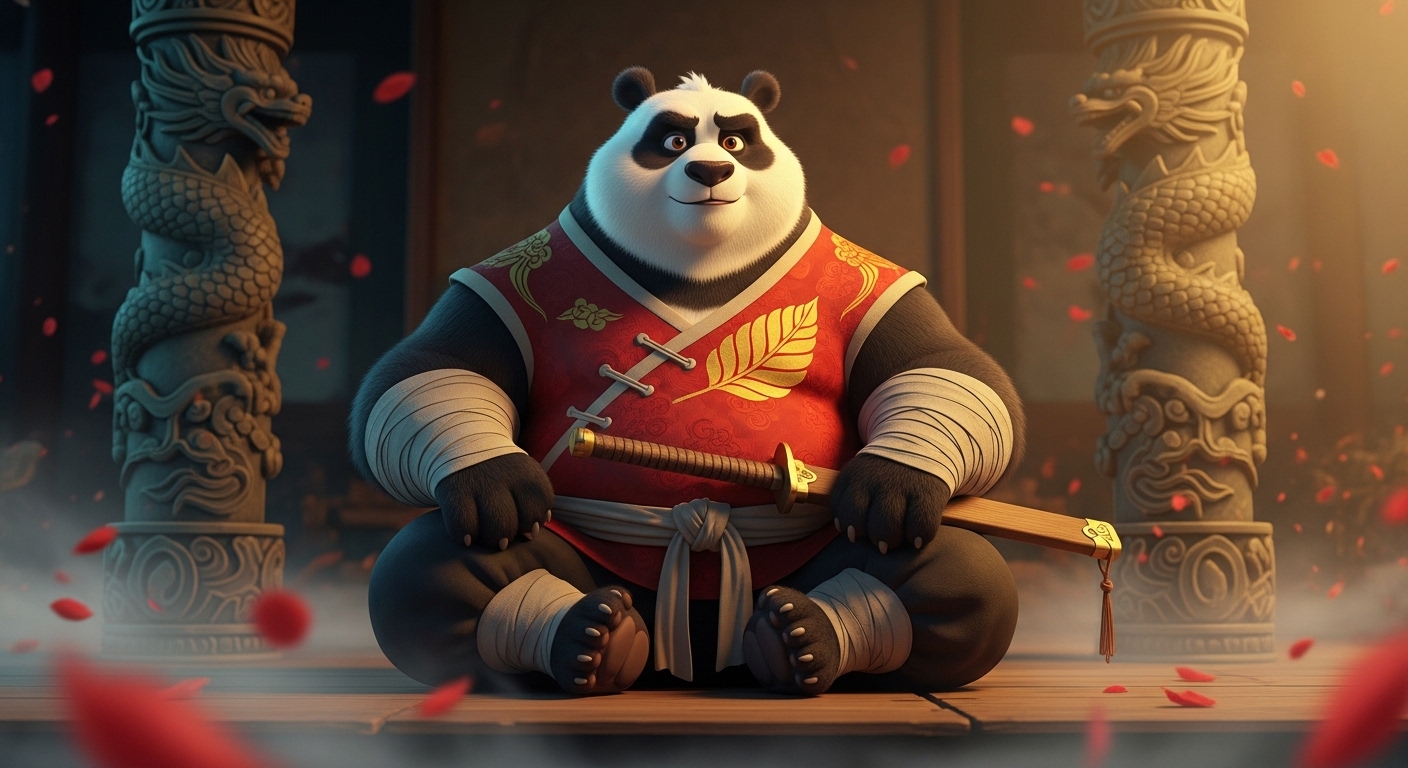
The mature warrior is not the strongest person you will meet. They are often gentle, sometimes soft, occasionally almost invisible. But when the moment comes, they move with economy and accuracy, and they never need to prove anything afterward. That is what wisdom looks like when it has finally caught up with strength. Aim for that. The world has enough loud, strong people. What it needs is a few who also know what they are for.
This article is offered for reflection and self-study. The Way is walked, not read — take what resonates, test it in your own practice, and leave the rest.