
Tag: patience

  • Parenting Like a Kung Fu Master: Patience, Presence, Precision

    Parenting Like a Kung Fu Master: Patience, Presence, Precision

    The three qualities that separate great teachers from frustrated ones — and why they are the same three you need with your kids.

    The Surprising Overlap

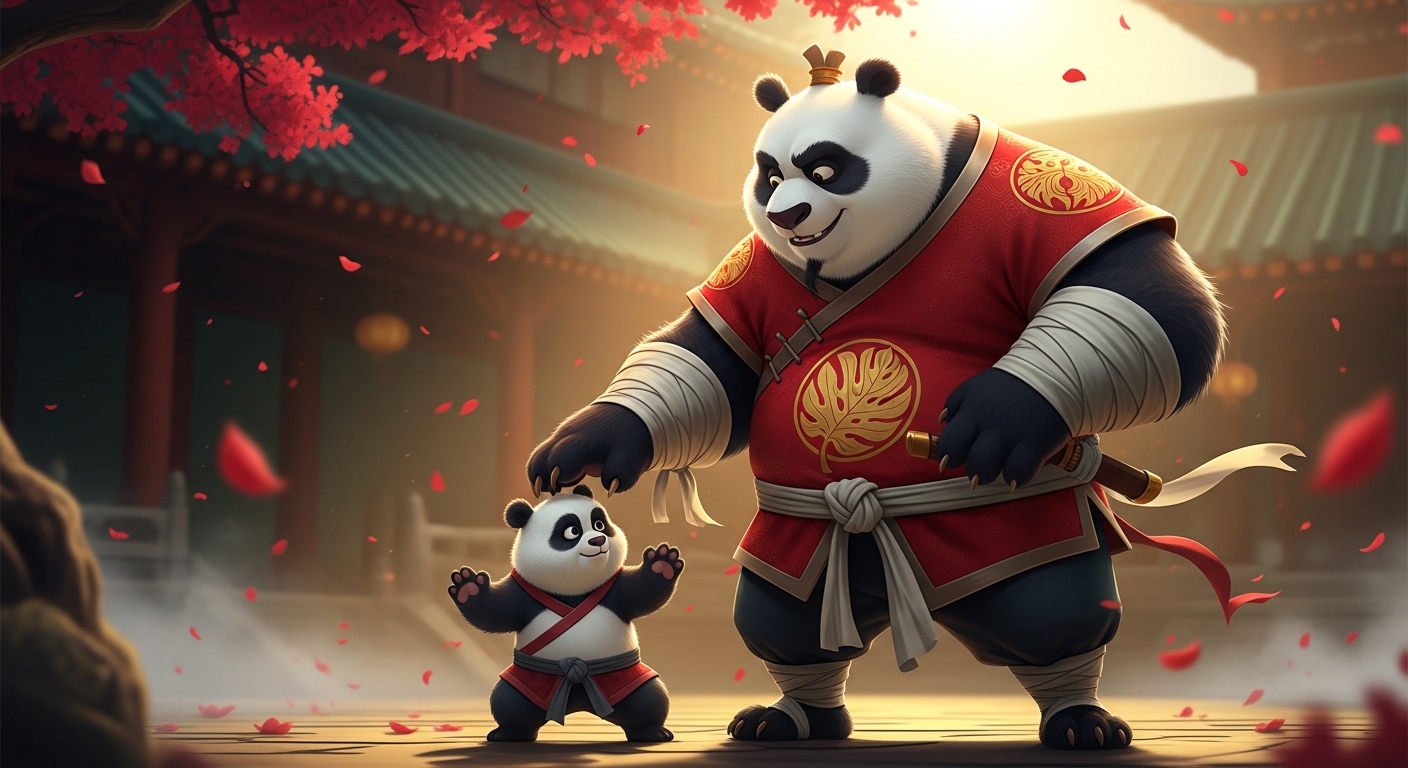
    A kung fu master teaching a seven-year-old and a parent raising one are, at the skill level, doing exactly the same job. Both are attempting to install values, habits, and capacities in a small human whose attention span is short and whose emotional regulation is under construction. The master’s tools and the parent’s tools are more similar than most parenting books acknowledge. Three qualities carry almost all the weight: patience, presence, and precision. Master those three and most of the rest of parenting takes care of itself.

    What Each One Means

    Patience is not the absence of annoyance. It is the capacity to continue teaching well in the presence of annoyance. Presence is not being in the same room. It is being without phone, without agenda, without performance — giving the child the rare experience of being the only thing that currently exists for you. Precision is the discipline of choosing, out of the fifty things you could correct, the one that matters today. Most parents correct everything and therefore nothing. Masters correct one thing, well, and let the rest go for now.

    Where Most of Us Fall Short

    The hardest of the three, for most modern parents, is presence. We are exhausted, scattered, and conditioned to split our attention. The phone is the defining artifact of this era’s parenting failure. Children do not need all of you, all the time. They need some of you, fully, regularly. Twenty minutes of phone-down, eye-level, undistracted presence will outweigh five hours of half-attention. The kids know the difference. They always know the difference. Train yourself to offer the concentrated kind at least daily.

    The Long Game

    You are not raising a well-behaved child this week. You are raising a sovereign adult over two decades. That reframe changes everything. A master does not teach a student the form on day one; they teach them how to learn, how to persist, how to fail. A parent, at their best, does the same. Patience. Presence. Precision. Repeated over years, these three make you a teacher your child will, later in life, recognize as one of the lucky ones they had. That is the target. It is reachable.

    This article is offered for reflection and self-study. The Way is walked, not read — take what resonates, test it in your own practice, and leave the rest.
  • Why the Best Fighters Never Throw the First Punch

    Why the Best Fighters Never Throw the First Punch

    The story of the master who won a hundred fights without initiating one — and what it reveals about strategy, ego, and self-control.

    The Principle Hiding in Plain Sight

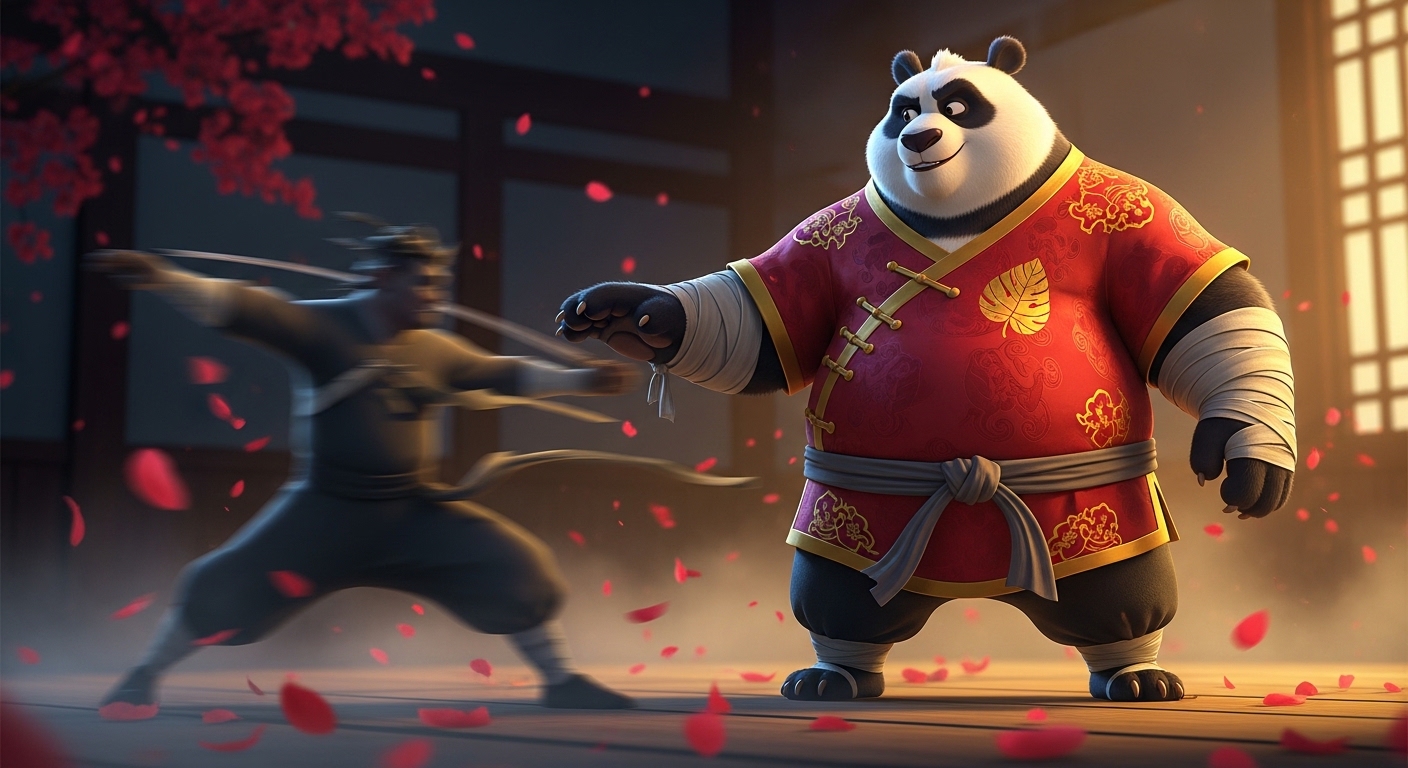
    Watch enough real fights and you will notice a pattern: the person who swings first often loses. Not always, but enough that old masters treated it as law. The first strike commits the body, reveals intention, and leaves openings. The second strike — clean, informed, counter — is the one that lands decisively. This is not a mystical claim; it is an observable physics of engagement. The person who waits sees. The person who swings is seen.

    Ego and the First Punch

    But most beginners cannot wait. The urge to throw the first punch is rarely about strategy. It is about the fear of looking passive, the need to assert, the anxiety of sitting still while another body approaches. The master’s training, at a deep level, is anti-ego training. You are being taught to be comfortable appearing less dominant in order to be, a moment later, more effective. That is a trade most egos refuse to make. The ones that accept it become dangerous.

    The Life Lesson

    Every argument has a first punch. The cutting comment. The escalated email. The unsolicited opinion. And almost every time, the person who threw it is the one who looks worse in the final analysis. The person who waited, listened, and responded from information — not reaction — carries the day. You do not have to be the loudest voice in the room to be the one that gets heard. In fact, in the fights that actually matter, being loudest is usually a tell that you have already lost.

    Training the Restraint

    Practice this in small stakes. Let someone finish a sentence fully before you begin yours. Wait five full seconds before replying to an email that annoyed you. Let another driver cut you off without commentary. Each small restraint is a rep. You are building the capacity to not throw the first punch, and that capacity is quietly one of the most powerful things a human can develop. The first punch is almost always free advertising for the second one. Save yours for when it counts.

    This article is offered for reflection and self-study. The Way is walked, not read — take what resonates, test it in your own practice, and leave the rest.