
Tag: mindfulness

  • Digital Detox as Spiritual Training: The Monk’s Modern Path

    Digital Detox as Spiritual Training: The Monk’s Modern Path

    Monks once fasted from food. In this era, they would have fasted from screens — and here is why that is exactly the practice you need.

    Why This Is the New Fast

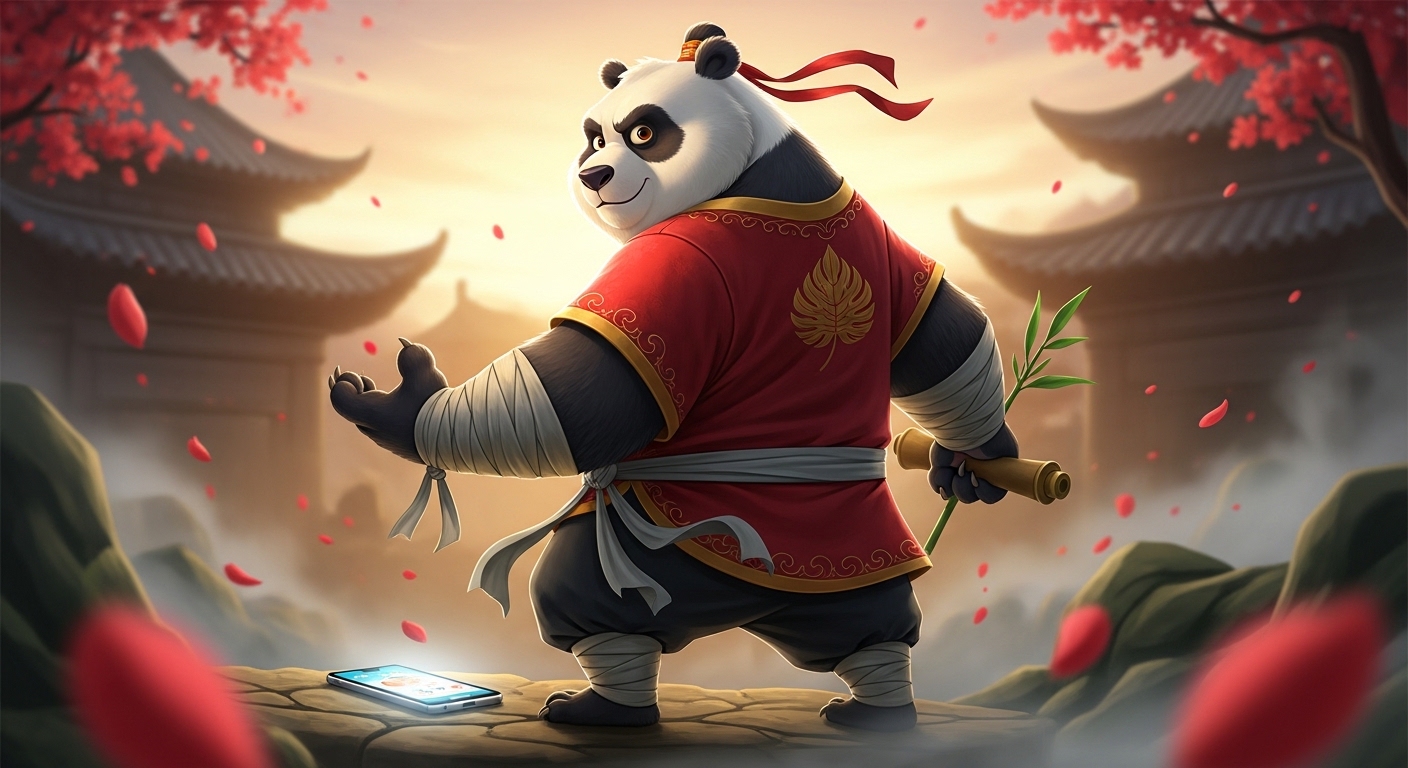
    For most of human history, the hardest thing to set down was food. Monks fasted because food was the most insistent source of distraction from deeper states. In this era, food is everywhere and mostly manageable. The insistent distraction is the screen. Not just the phone — the laptop, the television, the smart watch, the notification at the periphery of vision. If the old monks were alive today, they would not be fasting from rice. They would be fasting from the glass rectangle, because it is the modern mind’s most relentless feeder.

    What a Real Detox Looks Like

    A weekend of ‘less scrolling’ is not a detox; it is rationing. A real digital detox is a set period — 24 hours, 72 hours, a week — with no phone, no laptop, no television, no streaming, no podcasts. Books are allowed. Paper is allowed. Conversation, walking, cooking, sleep. The first day is uncomfortable in the same way the first day of a food fast is uncomfortable. The second day, something softens. By the third day, your attention span has lengthened measurably, and you realize how compressed it had become.

    The Return to Ordinary Pleasures

    The most striking effect of a long digital detox is not the absence of anxiety — though that happens. It is the surprising return of ordinary pleasures. Food tastes more. Conversations feel richer. A walk is actually a walk, not a backdrop for a podcast. The baseline of your enjoyment rises dramatically because it has not been numbed by constant micro-stimulation. This is what the old monks meant when they spoke of austerity producing joy. The deprivation is not the point. What returns when the noise stops is.

    How to Schedule One

    Block one full weekend, soon. Put the phone in a drawer Friday night. Tell the people who need to reach you in case of emergency that you will be offline. Then simply be. You do not need to do anything spiritual. Read, cook, walk, sleep, sit. Monday morning, you will return to the digital world with a new baseline — the sharp awareness of how much of your attention had been leased to screens without your consent. That awareness is worth the weekend, many times over.

    This article is offered for reflection and self-study. The Way is walked, not read — take what resonates, test it in your own practice, and leave the rest.
  • Tea Ceremony: Why Warriors Drank Before They Fought

    Tea Ceremony: Why Warriors Drank Before They Fought

    The link between tea and combat is older and deeper than most people realize — and the ritual still has something to teach us today.

    The Surprising Connection

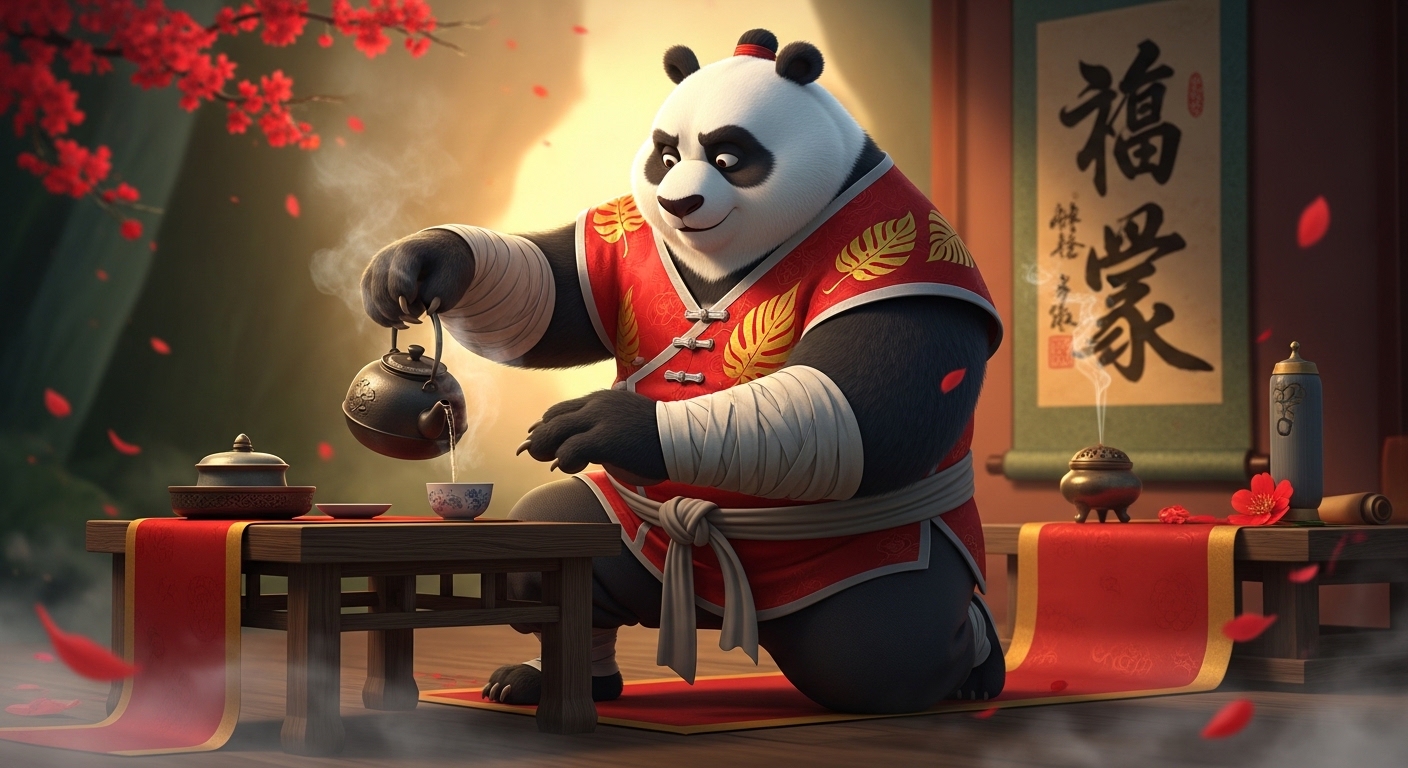
    Tea ceremony looks, to outsiders, like the opposite of combat. Slow. Precise. Decorative. But both Chinese martial schools and Japanese samurai culture treated tea ceremony as essential training for warriors. The link was not superstition. It was a recognition that the state of mind you cultivate before a fight is the state of mind that fights. Tea ceremony was a meticulous, twenty-minute drill in focused attention, performed under social observation, with small consequences for small errors. It was combat preparation disguised as hospitality.

    What the Ritual Actually Trains

    Every step of the ceremony — the cleaning of the bowl, the measuring of the leaves, the pouring of the water, the offering of the cup — has specific, precise motions that must be executed without hurry and without wasted movement. This is the same quality a warrior needs in the moment of engagement. Economy. Presence. The absence of extra. A practitioner who can perform a tea ceremony cleanly has demonstrated a kind of attentional control that transfers, very directly, into the moment when a blade is drawn.

    The Modern Application

    You do not need tea to practice this. Pick one small, repeatable daily ritual — making coffee, folding a shirt, preparing dinner — and turn it into a ceremony. No phone. No radio. No multitasking. Full attention to every micro-movement. Fifteen minutes is enough. What you are training is not the ritual; it is the capacity to be fully present while doing something ordinary. That capacity then shows up in the moments that matter. The warrior’s tea is the entry drill for the warrior’s focus.

    Why Small Rituals Matter

    Modern life aggressively opposes rituals. Everything is optimized, sped up, multitasked into a blur. To cultivate a single daily act of deliberate slowness is a quiet rebellion, and it produces effects far beyond its obvious footprint. You become someone who can land, on command, in the present moment. That is a warrior’s skill whether or not you ever face combat. The tea is not the point. The attention it teaches is. Keep one ritual sacred. The rest of your life will organize itself around that one still point.

    This article is offered for reflection and self-study. The Way is walked, not read — take what resonates, test it in your own practice, and leave the rest.