
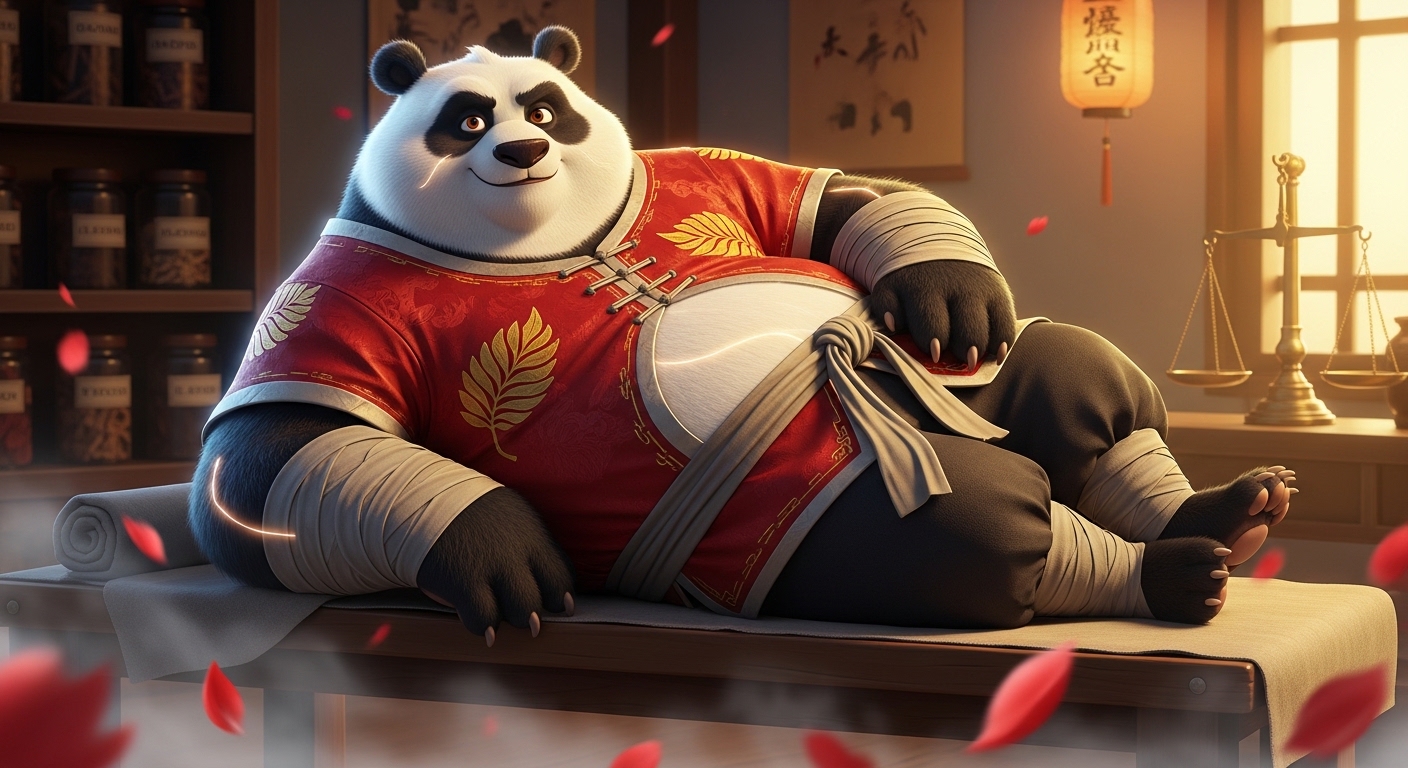
A system two thousand years older than psychology, mapping feelings to the body — and why modern research keeps catching up to it.
The Old Map
In traditional Chinese medicine, emotions are not abstract mental events. They are physical energies, each associated with a specific organ system. Anger lives in the liver. Grief in the lungs. Worry in the spleen. Fear in the kidneys. Joy, in excess, strains the heart. This sounds foreign to the Western ear, which has been trained to put feelings firmly inside the head. But the TCM map is two thousand years old, is still used clinically, and modern somatic research is quietly corroborating many of its observations.
Why the Map Still Works
The key insight is that emotions are not just cognitive — they are endocrine, neurological, and muscular events. Chronic anger shows up in the body as elevated inflammation, altered digestion, shallow breath. Chronic grief shows up as shoulder tension, shallow breath, and compromised immune function. TCM named these patterns organ by organ and developed interventions — acupuncture, herbs, movement practices — that addressed the body and the emotion as one system. Western medicine is, slowly, rediscovering what these healers already knew.
How to Use the Map Today
You do not need to be diagnosed by a TCM practitioner to benefit from the framework. Notice: when you are stressed, where does your body hold it? The neck? The lower back? The stomach? That location is information. Stretch, massage, breathe into the area. Use the language of the organ: if your lower back is tight, ask what you are afraid of. If your upper chest is tight, ask what you are grieving. The body was holding the emotion before your mind named it. Give your body a voice in the conversation.
The Bigger Picture
The deepest lesson of TCM is that there is no separation between emotional and physical health. You cannot meditate your way out of a chronically tense body, and you cannot exercise your way out of a chronically distressed mind. Both must be addressed, and in the old map they were always addressed together. Borrow the framework. Treat the body and the emotion as one system, because they are. The old masters were right about more things than the modern world is willing to admit.
This article is offered for reflection and self-study. The Way is walked, not read — take what resonates, test it in your own practice, and leave the rest.