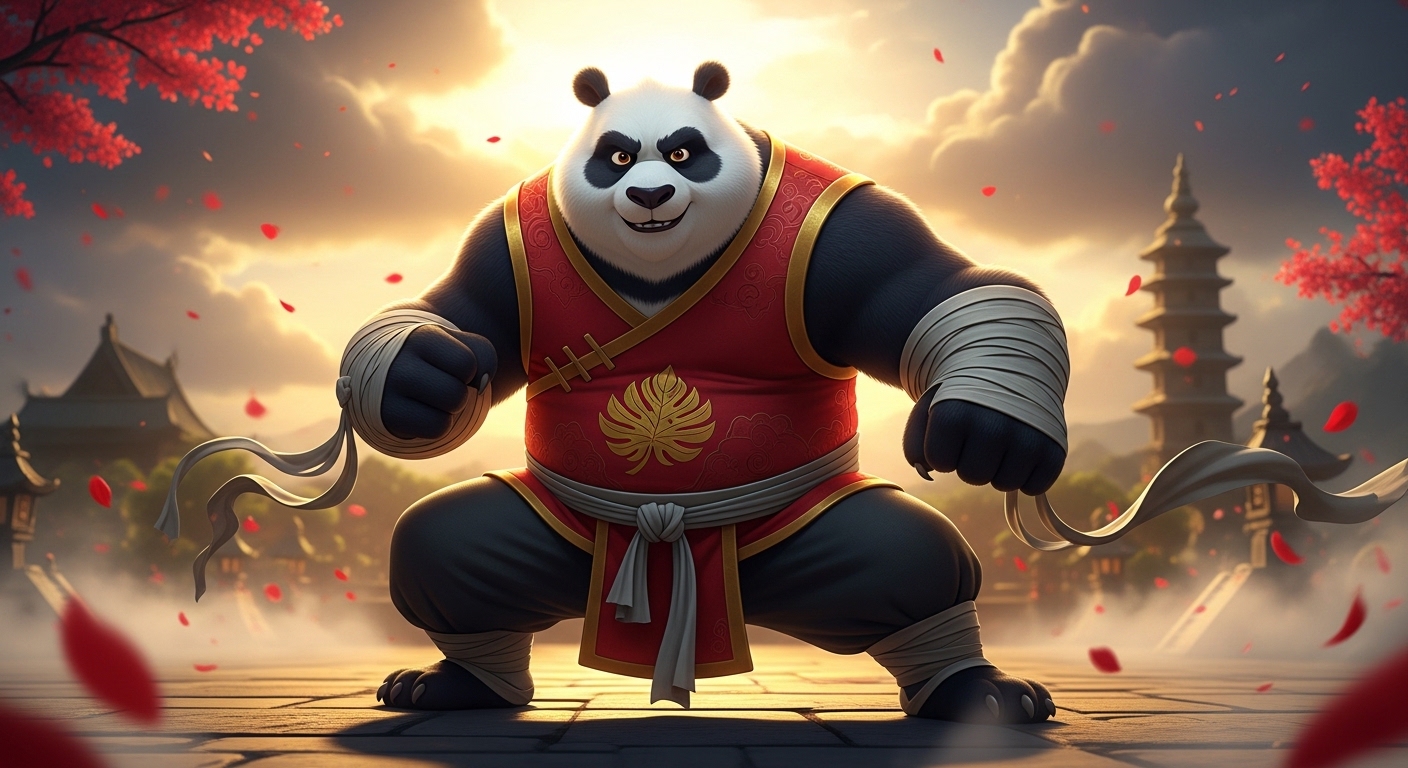
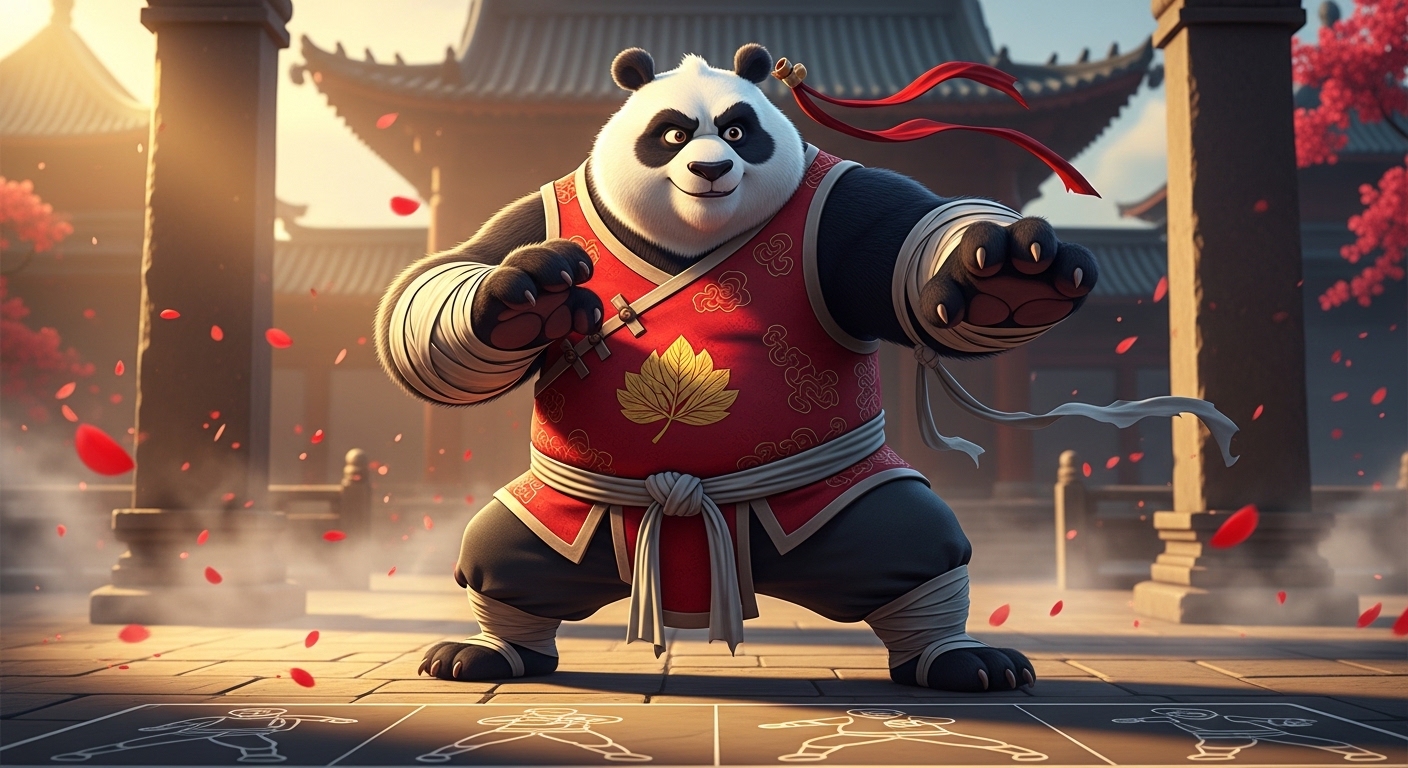
Before the flashy moves, before the kicks, before the weapons — these five stances. Neglect them and nothing above is stable.
Why Stances Are Everything
A stance is not a pose. It is a chassis. Every strike, block, kick, and transition is built on top of whichever stance you are currently in, and if that chassis is unstable, nothing above it can work at full power. Beginners want to skip stances because they feel boring. Masters drill them every single day, for decades, because they know stances are where the hidden mileage of their craft lives. Get these five right and the rest of kung fu becomes teachable. Get them wrong and nothing further is actually built.
The Five You Must Know
Ma Bu — the horse stance — is the foundation of rootedness, taught first in almost every lineage. Gong Bu — the bow stance — trains forward-driving power. Xu Bu — the empty stance — teaches you to move light and baitable. Pu Bu — the drop stance — teaches low mobility and evasion. Zuo Pan Bu — the cross-legged stance — teaches rotational torque. Each one develops a different dimension of the body. Together they cover the full vocabulary of real movement.
How to Practice Them
Hold each stance for one minute at a time, with a steady eye line and a slow breath. Do not lock the joints; keep a living tension through the structure. Add time slowly — sixty seconds becomes ninety, becomes two minutes, over weeks. Resist the urge to rush into the next thing. A beginner who can hold horse stance for three unbroken minutes has already overtaken ninety percent of people who think they know kung fu. The drill is the skill.
Training This Week
Pick two stances from the list above and drill them every morning for ten minutes. Use a timer. Treat it like brushing your teeth — not optional, not dramatic, just done. In four weeks, you will notice your balance in daily life improving. Standing in line. Walking down stairs. Catching yourself when you slip. Stances train the body to own the ground, and that ownership follows you everywhere, long after you leave the mat.
This article is offered for reflection and self-study. The Way is walked, not read — take what resonates, test it in your own practice, and leave the rest.