
Category: Kung Fu

  • Inside the Shaolin Temple: Where Kung Fu Was Forged

    Inside the Shaolin Temple: Where Kung Fu Was Forged

    A brief history of the temple that shaped an entire martial tradition — and what we can still learn from its founding vision today.

    The Founding Story

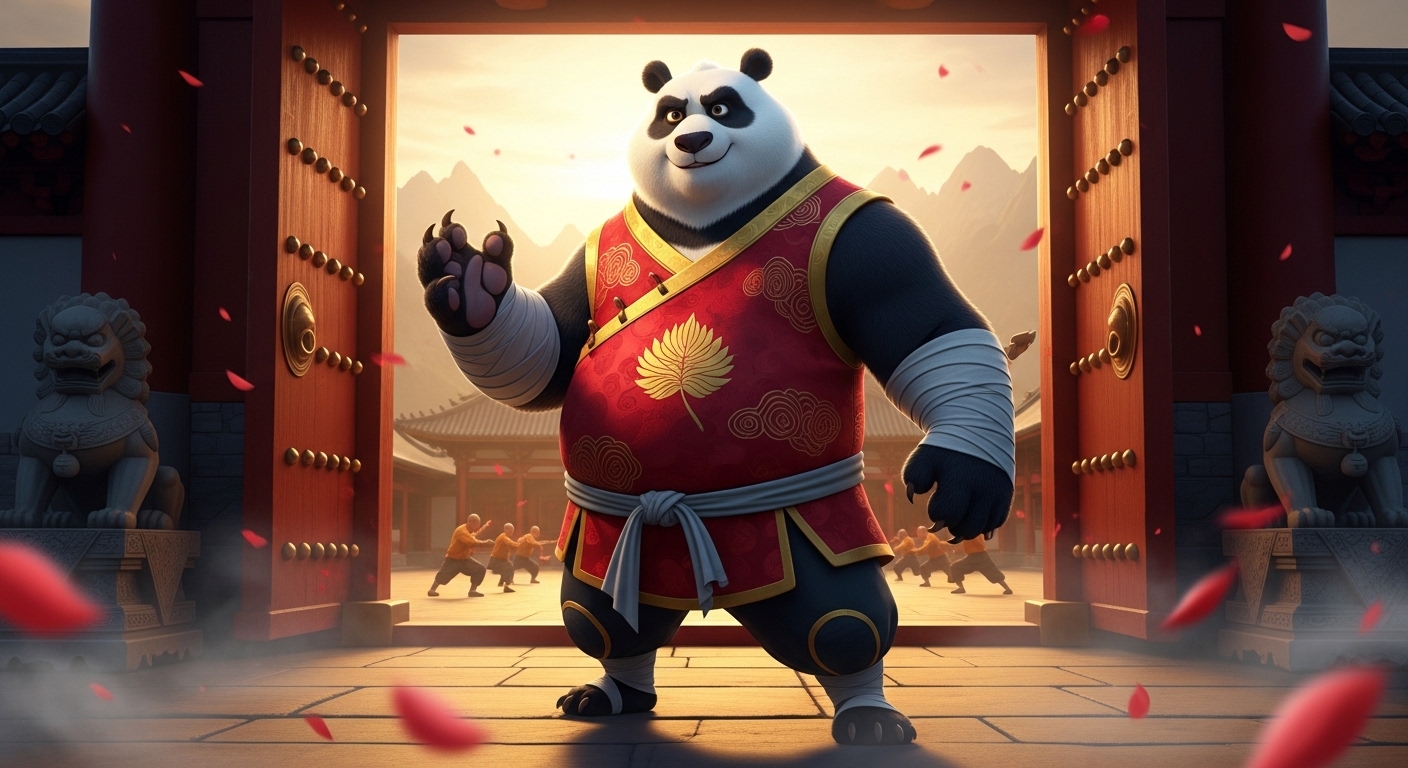
    The Shaolin Temple sits on Mount Song in Henan province, China, and it has been continuously occupied by Buddhist monks since the late fifth century. The legend credits Bodhidharma, an Indian monk, with arriving at the temple around 520 CE and finding the monks physically too weak to sustain long meditation. He introduced movement disciplines to strengthen them. Over centuries, those disciplines braided with local fighting traditions and produced what the world would later call Shaolin kung fu. The monastery was a meditation hall first, and a martial school second.

    The Real Genius of the Institution

    What made Shaolin extraordinary was not the techniques — techniques can be found anywhere. It was the integration. The monks trained martial skill inside a spiritual container. Violence was studied as a discipline, not a habit; strength was cultivated in service of stillness, not dominance. A Shaolin-trained monk could fight a bandit in the morning and sit in meditation by evening, and the two activities were not in contradiction. That integration is the temple’s real legacy, and it is rarer than most people think.

    What Survived and What Did Not

    The temple was attacked, rebuilt, razed, and restored many times over the centuries. Some lineages were lost. Some have been partially reconstructed. Today’s Shaolin is a mix of living tradition, tourism, and careful historical curation. If you visit, you will find both — authentic practitioners still doing the hard work, and performances for visitors. Both are true. Both are part of how old institutions actually survive. The question for you, practicing in your own life, is which part of your practice is performance and which part is still the real work.

    The Lesson for Your Own Practice

    You do not need to travel to Henan. The Shaolin idea — that body discipline and inner work can be the same project — is portable. Whatever martial art, exercise, or physical practice you do, ask yourself: is this training me as a complete human, or only as a body? If the answer is only the body, you have not yet arrived at what the Shaolin monks built. Integrate. The temple is a posture of life, and you can begin building yours today.

    This article is offered for reflection and self-study. The Way is walked, not read — take what resonates, test it in your own practice, and leave the rest.
  • The Forgotten Art of the Iron Palm — and Its Lessons for Grit

    The Forgotten Art of the Iron Palm — and Its Lessons for Grit

    A conditioning practice nearly lost to time, and what it teaches about patience, pain, and the willingness to suffer well.

    What Iron Palm Actually Was

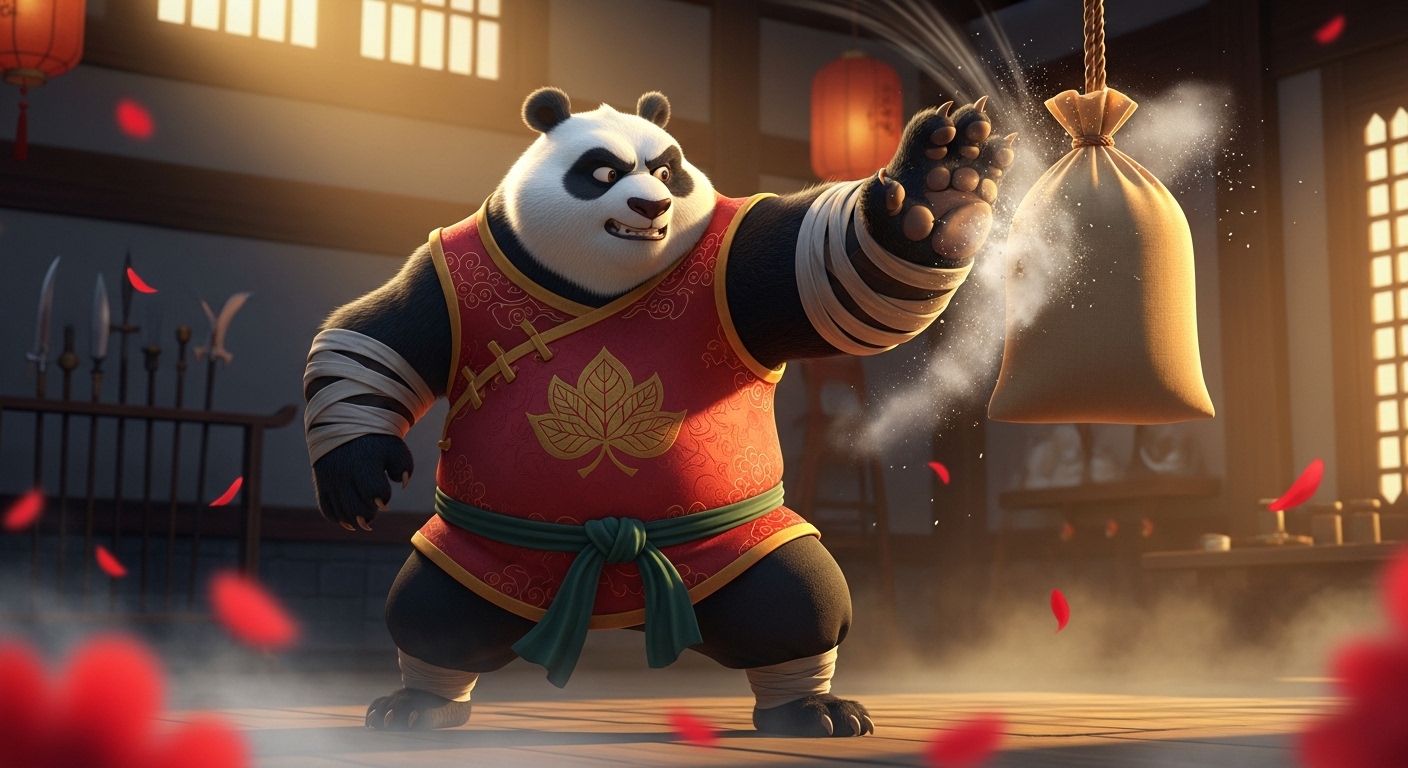
    Iron Palm was a conditioning discipline in which practitioners, over years, struck bags of progressively harder materials — mung beans, then rice, then pebbles, then iron shot — to harden the bones and connective tissue of the hand. Done poorly, it destroyed joints and shortened careers. Done correctly, over a decade, it produced hands that could break stone. It is nearly extinct now, and with it has gone something the modern world could use — a framework for relating to pain as a teacher, not an enemy.

    The Core Teaching Underneath the Technique

    The point was never the breaking of bricks. The point was the patient, daily, slightly uncomfortable exposure to a force that would, left alone, destroy you. The hand learned to become the kind of thing that does not break. And the mind, quietly, learned the same lesson. Iron Palm was an apprenticeship in suffering small amounts well enough that large amounts later became survivable. That is a skill almost nobody is taught anymore.

    A Modern Translation

    You do not need to bruise your hands against iron shot. But you can apply the principle. Cold showers. Early mornings. Hard conversations you keep postponing. The workout at the edge of your capacity. Each one is a modern mung bean bag. You expose yourself to a small, controlled discomfort, repeatedly, on purpose. Over months the discomfort becomes familiar, and familiarity is what separates the person who panics from the one who steadies. Build that.

    The Prize at the End

    The prize of Iron Palm was never the hand. It was the person who had spent a decade staying with discomfort instead of fleeing it. That person had developed a relationship with their own limits that could not be unlearned. You will not take a decade; you do not need to. But give it a season of deliberate, small suffering, and you will notice something change. The things that used to knock you over will begin to move through you instead. That is the real iron you are forging, and it is not in your hand.

    This article is offered for reflection and self-study. The Way is walked, not read — take what resonates, test it in your own practice, and leave the rest.

  • Why the Best Fighters Never Throw the First Punch

    Why the Best Fighters Never Throw the First Punch

    The story of the master who won a hundred fights without initiating one — and what it reveals about strategy, ego, and self-control.

    The Principle Hiding in Plain Sight

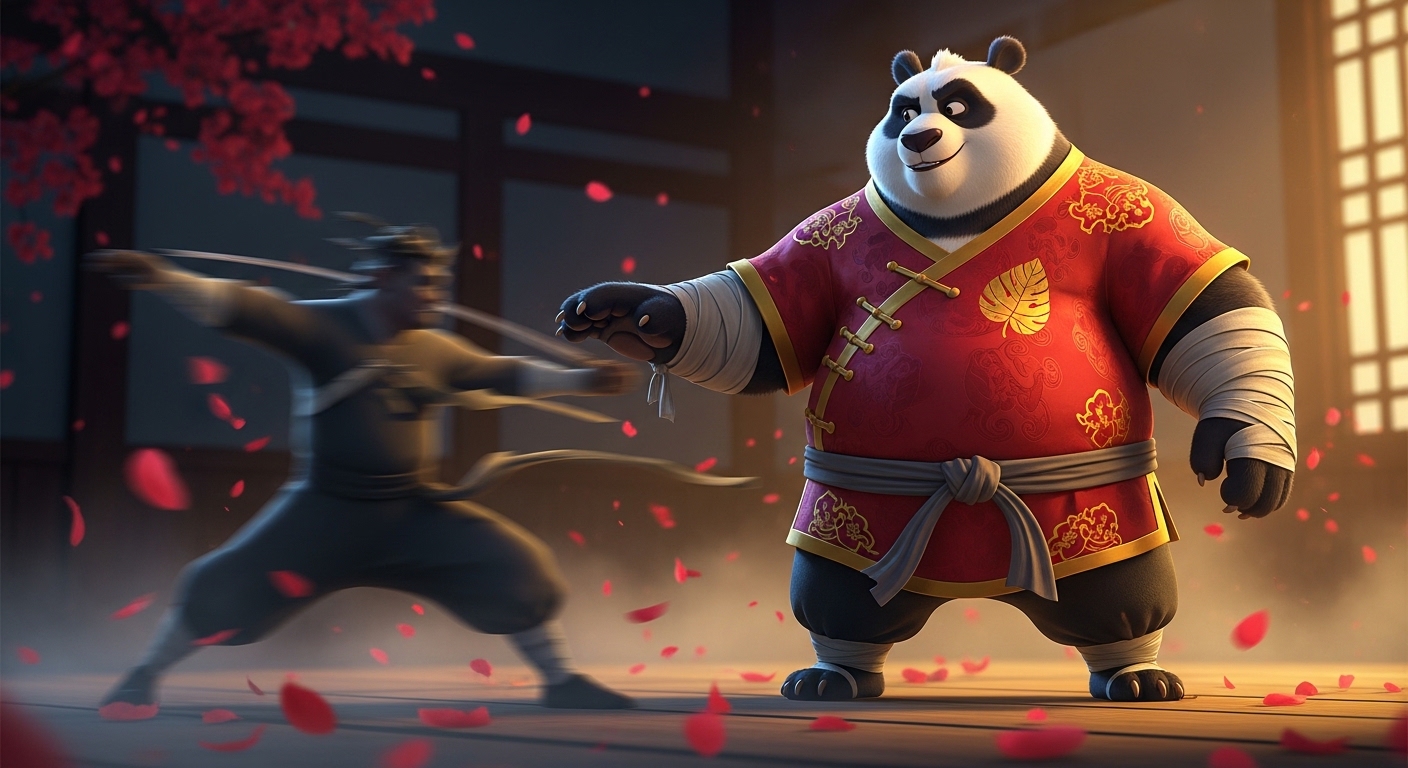
    Watch enough real fights and you will notice a pattern: the person who swings first often loses. Not always, but enough that old masters treated it as law. The first strike commits the body, reveals intention, and leaves openings. The second strike — clean, informed, counter — is the one that lands decisively. This is not a mystical claim; it is an observable physics of engagement. The person who waits sees. The person who swings is seen.

    Ego and the First Punch

    But most beginners cannot wait. The urge to throw the first punch is rarely about strategy. It is about the fear of looking passive, the need to assert, the anxiety of sitting still while another body approaches. The master’s training, at a deep level, is anti-ego training. You are being taught to be comfortable appearing less dominant in order to be, a moment later, more effective. That is a trade most egos refuse to make. The ones that accept it become dangerous.

    The Life Lesson

    Every argument has a first punch. The cutting comment. The escalated email. The unsolicited opinion. And almost every time, the person who threw it is the one who looks worse in the final analysis. The person who waited, listened, and responded from information — not reaction — carries the day. You do not have to be the loudest voice in the room to be the one that gets heard. In fact, in the fights that actually matter, being loudest is usually a tell that you have already lost.

    Training the Restraint

    Practice this in small stakes. Let someone finish a sentence fully before you begin yours. Wait five full seconds before replying to an email that annoyed you. Let another driver cut you off without commentary. Each small restraint is a rep. You are building the capacity to not throw the first punch, and that capacity is quietly one of the most powerful things a human can develop. The first punch is almost always free advertising for the second one. Save yours for when it counts.

    This article is offered for reflection and self-study. The Way is walked, not read — take what resonates, test it in your own practice, and leave the rest.

  • Crane, Tiger, Monkey: The Animal Forms and What They Teach

    Crane, Tiger, Monkey: The Animal Forms and What They Teach

    Every animal style in kung fu encodes a different psychological lesson. Pick the right one for the season of life you are actually in.

    The Forgotten Function of the Animal Forms

    People think the animal forms were invented for combat efficiency. That is only half true. The old masters were also psychologists, and the animals they chose encode different temperaments. A student studying crane is being trained in precision and patience. A student studying tiger is being asked to locate their aggression. A student studying monkey is learning playfulness and misdirection. The animal is the character you are being asked to temporarily become, and the character you become changes you.

    What Each Animal Teaches

    Crane: stillness before the strike, narrow targeting, economy of motion. For those who rush. Tiger: full commitment, low ferocity, heavy rootedness. For those who hesitate. Monkey: play, unpredictability, lightness. For those who are too rigid. Snake: yielding, flowing, precise strike through gaps. For those who meet force with force. Mantis: geometric angles, trapping, patience turned to ambush. For those who want everything linear. Each animal is a correction for a specific human flaw.

    How to Use Them in Modern Practice

    You do not need to train the full forms to benefit. Pick the animal whose temperament is most absent from your current life. If you are scattered, train the crane’s stillness for a week — slow movements, long eye contact, extreme economy. If you are passive, live in the tiger’s posture for a week — lower stance, fuller breath, committed voice. The animals are masks, and masks let you try on traits you would never claim directly. That is how you grow the ones you need.

    Choosing Your Animal

    Look at the last month of your life. What trait did you most lack? That is the animal to study next. Not forever, not as an identity — just for a season, until that dimension of you has been fed. Then rotate. The great masters were not committed to a single animal; they cycled through the menagerie their whole lives. A complete human is not one animal. It is the whole zoo, called forth when each one is needed.

    This article is offered for reflection and self-study. The Way is walked, not read — take what resonates, test it in your own practice, and leave the rest.
  • The 5 Foundational Stances Every Beginner Must Master

    The 5 Foundational Stances Every Beginner Must Master

    Before the flashy moves, before the kicks, before the weapons — these five stances. Neglect them and nothing above is stable.

    Why Stances Are Everything

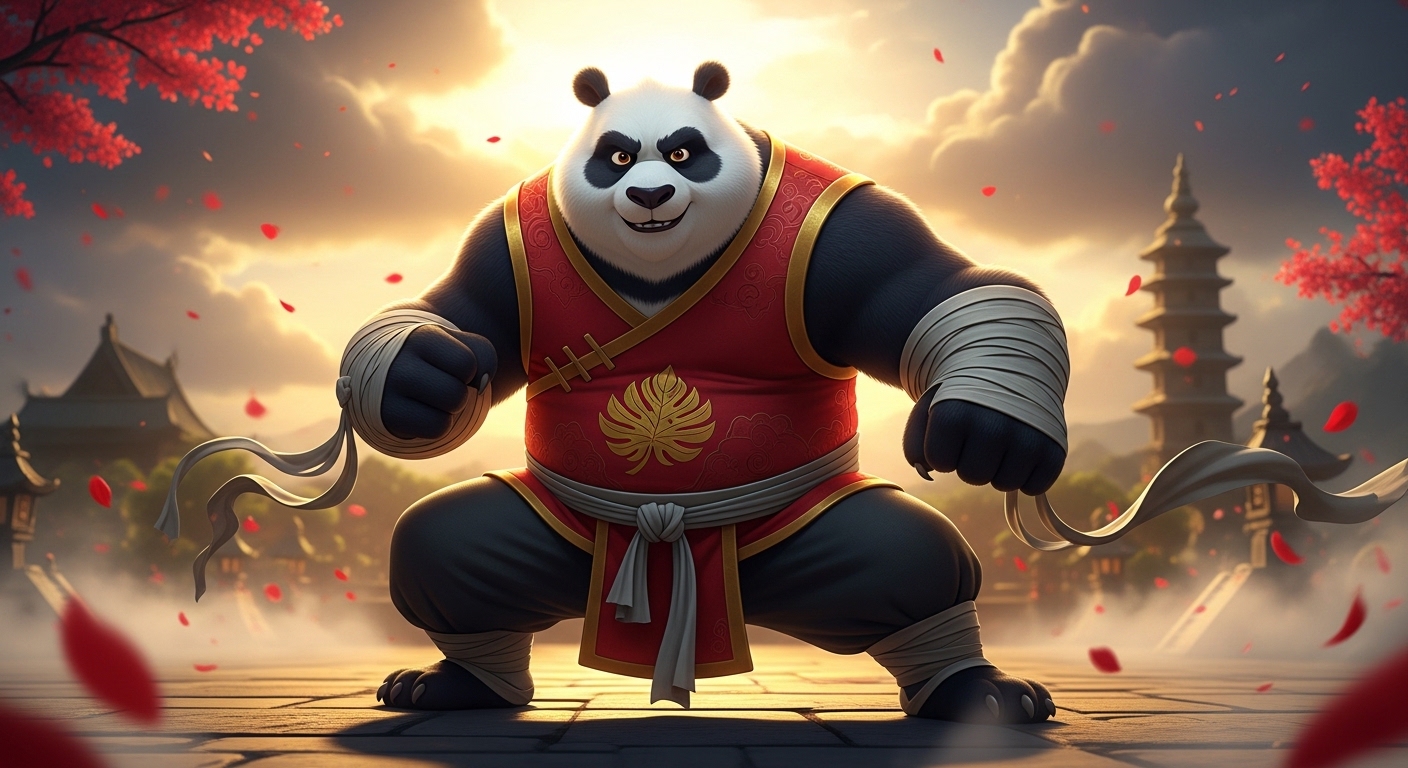
    A stance is not a pose. It is a chassis. Every strike, block, kick, and transition is built on top of whichever stance you are currently in, and if that chassis is unstable, nothing above it can work at full power. Beginners want to skip stances because they feel boring. Masters drill them every single day, for decades, because they know stances are where the hidden mileage of their craft lives. Get these five right and the rest of kung fu becomes teachable. Get them wrong and nothing further is actually built.

    The Five You Must Know

    Ma Bu — the horse stance — is the foundation of rootedness, taught first in almost every lineage. Gong Bu — the bow stance — trains forward-driving power. Xu Bu — the empty stance — teaches you to move light and baitable. Pu Bu — the drop stance — teaches low mobility and evasion. Zuo Pan Bu — the cross-legged stance — teaches rotational torque. Each one develops a different dimension of the body. Together they cover the full vocabulary of real movement.

    How to Practice Them

    Hold each stance for one minute at a time, with a steady eye line and a slow breath. Do not lock the joints; keep a living tension through the structure. Add time slowly — sixty seconds becomes ninety, becomes two minutes, over weeks. Resist the urge to rush into the next thing. A beginner who can hold horse stance for three unbroken minutes has already overtaken ninety percent of people who think they know kung fu. The drill is the skill.

    Training This Week

    Pick two stances from the list above and drill them every morning for ten minutes. Use a timer. Treat it like brushing your teeth — not optional, not dramatic, just done. In four weeks, you will notice your balance in daily life improving. Standing in line. Walking down stairs. Catching yourself when you slip. Stances train the body to own the ground, and that ownership follows you everywhere, long after you leave the mat.

    This article is offered for reflection and self-study. The Way is walked, not read — take what resonates, test it in your own practice, and leave the rest.

  • Why the Weakest Stance Often Wins the Hardest Fight

    Why the Weakest Stance Often Wins the Hardest Fight

    The rooted, low, ‘ugly’ stance wins more real fights than the flashy one — here is why, and what it means for every other battle in your life.

    The Stance That Looks Wrong

    Walk into any beginner’s class and you will see the same thing — students striking high, fast, and upright, dancing on the balls of their feet. Walk into a master’s class and you will see the opposite. Hips low. Weight heavy. Feet planted in shapes that feel awkward the first month. This is the stance the movies never show, and it is the stance that actually wins. What looks weak is rooted. What looks static is patient. What looks ugly is unshakeable.

    Why It Works

    A high, mobile stance is fast but has no foundation. When a real strike comes, there is nothing underneath the body to absorb or redirect it. The low stance, by contrast, is an engineering decision. Lower center of gravity. Wider base. More ground contact. It wins the way an old tree wins against a young one in a storm — not by being bigger, but by being attached to more earth.

    The Life Principle Underneath

    Everything that lasts is built this way. The boring compounding investment beats the flashy trade. The deep friendship outlasts the exciting fling. The unglamorous daily practice beats the weekend warrior. In every domain, the pattern holds: width of foundation is a better predictor of survival than height of ambition. Build your stance first; the flashy moves will have somewhere to land.

    Your Stance This Week

    Pick one area of your life where you have been trying to move fast and flashy. Your health. Your marriage. Your craft. This week, do nothing flashy. Do the unsexy foundational thing — once a day, every day. Go to sleep on time. Call the person. Do the reps. At first it will feel like you are losing ground to the fast movers. By the fourth week, you will notice the fast movers getting knocked over and you, quietly, still standing.

    This article is offered for reflection and self-study. The Way is walked, not read — take what resonates, test it in your own practice, and leave the rest.